
DbcultAccessing Vault...
Director's Spotlight
Senior Film Conservator
Director's Spotlight: United States
A Deep Dive into the 1917 Vision of George K. Rolands
The thematic gravity of The Web of Life (1917) is rooted in the artistic risks taken by George K. Rolands that eventually paid off. Defining a new era of United States artistic expression, it demands to be seen by anyone who cares about the art of film.
In The Web of Life, George K. Rolands pushes the boundaries of conventional narrative. The film's unique approach to its subject matter has sparked endless debates and interpretations among cinephiles and critics alike.
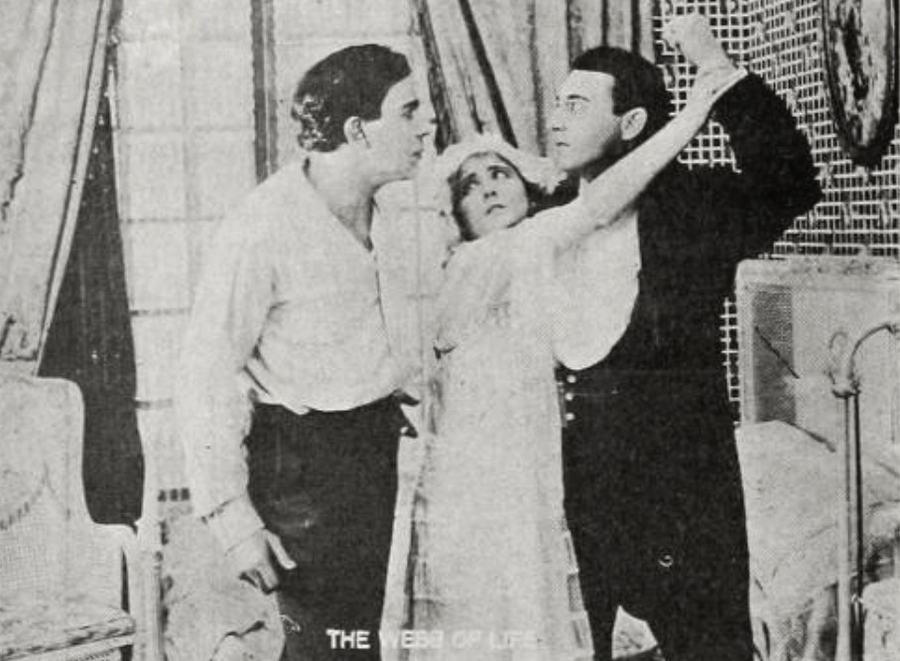
In this work, George K. Rolands explores the intersection of cult and United States cultural identity. The meticulous attention to detail suggests a deep-seated commitment to pushing the boundaries of the medium, ensuring that The Web of Life remains a relevant topic of study for cult enthusiasts.
| Cinematography | Deep Focus |
| Soundtrack | Diegetic |
| Editing | Elliptical |
| Art Direction | Expressionist |
Visualizing the convergence of George K. Rolands's style and the core cult narrative.
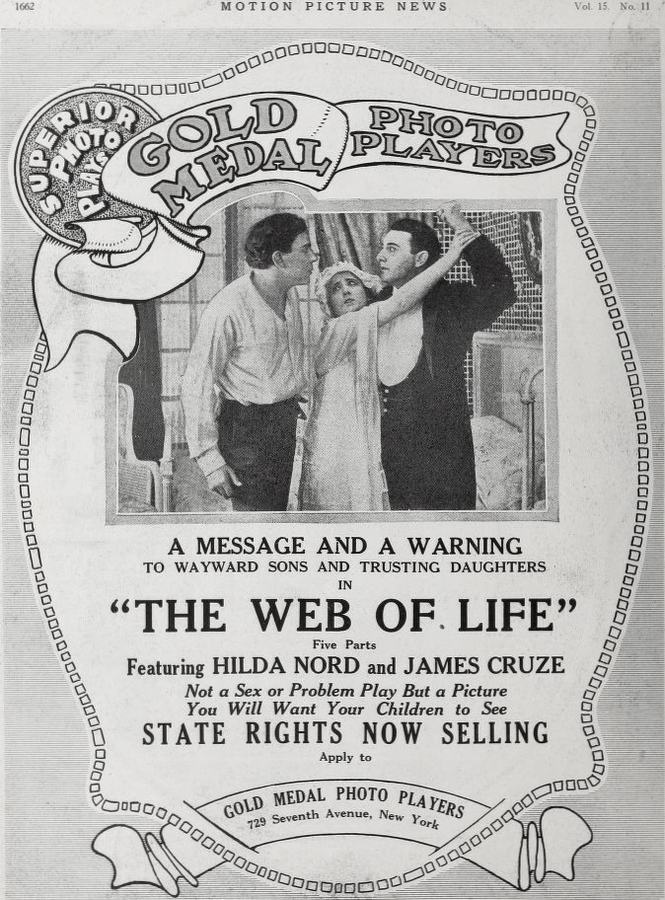
The story tells of a wayward boy who thought he loved dissipation and evil ways better than a life of decency and clean living. He really did not intend to marry the girl and thought for a time his life was ruined because her childhood sweetheart, still devoted, became her protector, and saw to it that every formality prescribed by society was carefully followed. But instead of ruining his life, it ultimately made him a real man and brought out the good there was in him. The girl did not know how to win her husband back to her when his evil associates began to appeal to him again after the marriage and the birth of the child, and the appeal she was forced to make to her former sweetheart and her only friend brought on a terrible misunderstanding and tragedy which cost her friend his life in a noble sacrifice and nearly lost for her all chance of a loving reunion with her husband. However the purity of her devotion and her trustful innocence were strong enough to endure against suspicion and much abuse, so that at the end we see the repentant husband chastened by the trouble and anguish he has caused and fully determined to devote himself to honorable living and the care and companionship of his reunited family.
Decades after its release, The Web of Life remains a vital piece of the cinematic puzzle. Its influence can be seen in countless modern works, solidifying George K. Rolands's status as a master of the craft in United States and beyond.