Summary
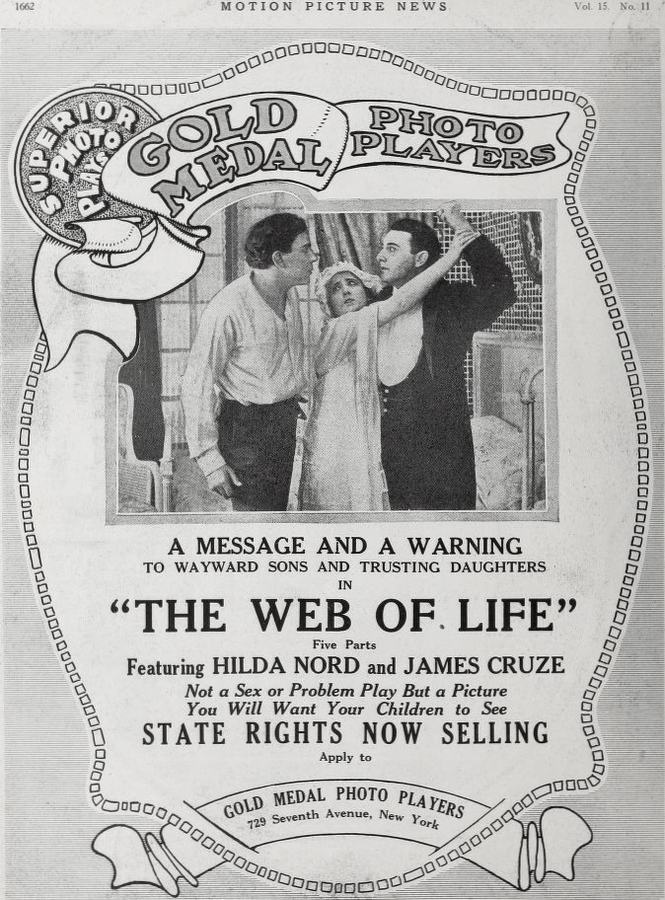
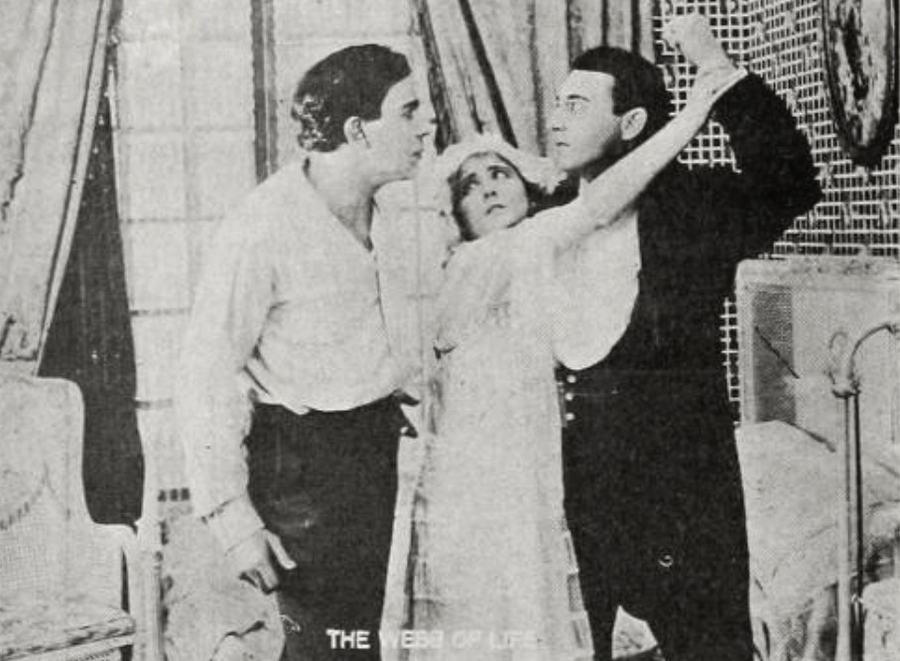
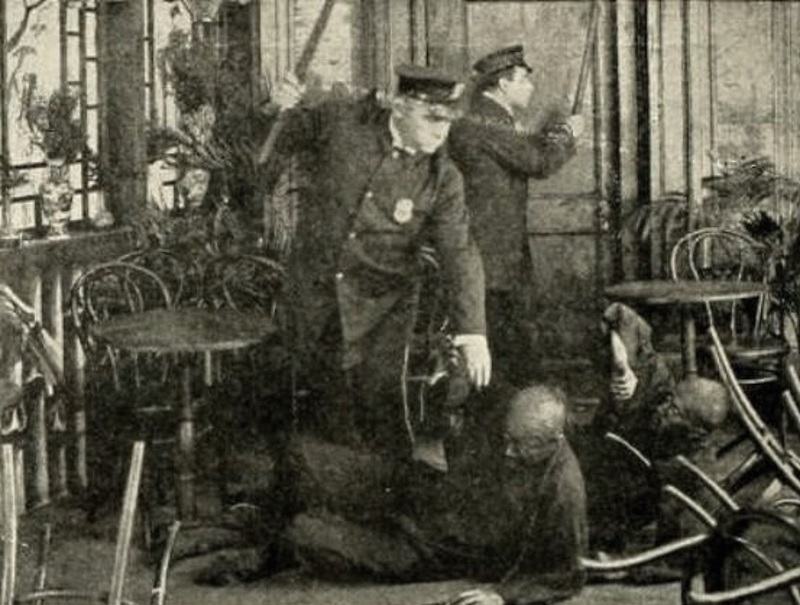
A rakehell adolescent—languid in silk, drunk on street-lamps—skids through gin-mills and midnight docks, convinced that dissolution is the only music worth dancing to. He courts a factory-bell flower simply to pluck her, never meaning to keep her; yet when the petals of her body swell with child, society’s iron etiquette clamps shut around him like a bear-trap. Enter her steadfast childhood sentinel, a quiet paladin who sheathes his longing in duty, forcing church bells, paper vows, and parlor curtains to stand in for providence. The marriage should have been the curtain; instead it is the match-head. Domesticity blisters the protagonist’s swagger: cigar smoke curdles into lullabies, card-sharps become creditors, and the crib becomes a mirror he cannot face. Old demons—velvet-lapeled, lavender-reeking—whisper from alleyways, promising the narcotic of irresponsibility. His wife, armed only with lace-curtain prayers and a constancy as stubborn as ivy, sends an SOS to her former protector; misread signals ricochet, blades flash, and the guardian angel bleeds out on a snowbank, sealing the parable in crimson. The widower-by-proxy staggers home, carrying the corpse of his own alibi; the wife, still clutching a blood-spattered baby-blanket like a medieval girdle-book, refuses to abdicate forgiveness. In the hush that follows, the husband discovers that repentance is not a thunderclap but a slow tide—day after day of sanding the rust of cynicism until the bright steel of tenderness shows through. When the final reel fades, the family sits on a tenement stoop at dawn, no richer, no louder, but irradiated by the fragile covenant that they will, from this day, choose one another again and again.
The story tells of a wayward boy who thought he loved dissipation and evil ways better than a life of decency and clean living. He really did not intend to marry the girl and thought for a time his life was ruined because her childhood sweetheart, still devoted, became her protector, and saw to it that every formality prescribed by society was carefully followed. But instead of ruining his life, it ultimately made him a real man and brought out the good there was in him. The girl did not know how to win her husband back to her when his evil associates began to appeal to him again after the marriage and the birth of the child, and the appeal she was forced to make to her former sweetheart and her only friend brought on a terrible misunderstanding and tragedy which cost her friend his life in a noble sacrifice and nearly lost for her all chance of a loving reunion with her husband. However the purity of her devotion and her trustful innocence were strong enough to endure against suspicion and much abuse, so that at the end we see the repentant husband chastened by the trouble and anguish he has caused and fully determined to devote himself to honorable living and the care and companionship of his reunited family.
Review Excerpt
"
p{line-height:1.7;margin:0 0 1.2rem 0;text-align:justify;}
a{color:#EAB308;text-decoration:underline #C2410C;}
blockquote{margin:2rem 0;padding:1rem 2rem;border-left:4px solid #0E7490;font-style:italic;}
h2{color:#C2410C;font-size:1.6rem;margin:2.5rem 0 1rem 0;}
h3{color:#EAB308;font-size:1.3rem;margin:2rem 0 1rem 0;}
ul{list-style:square inside;margin:1rem 0 1.5rem 0;}
li{margin:.4rem 0;}
strong{color:#fff;}
em{color:#EAB308;}
Picture a nickelodeon in 1917: wood shavings, kerosene breath, a..."