
Film History
The Grafted Soul: How Early Cinema’s Obsession with Surgical Transgression Scripted the Body Horror Cult
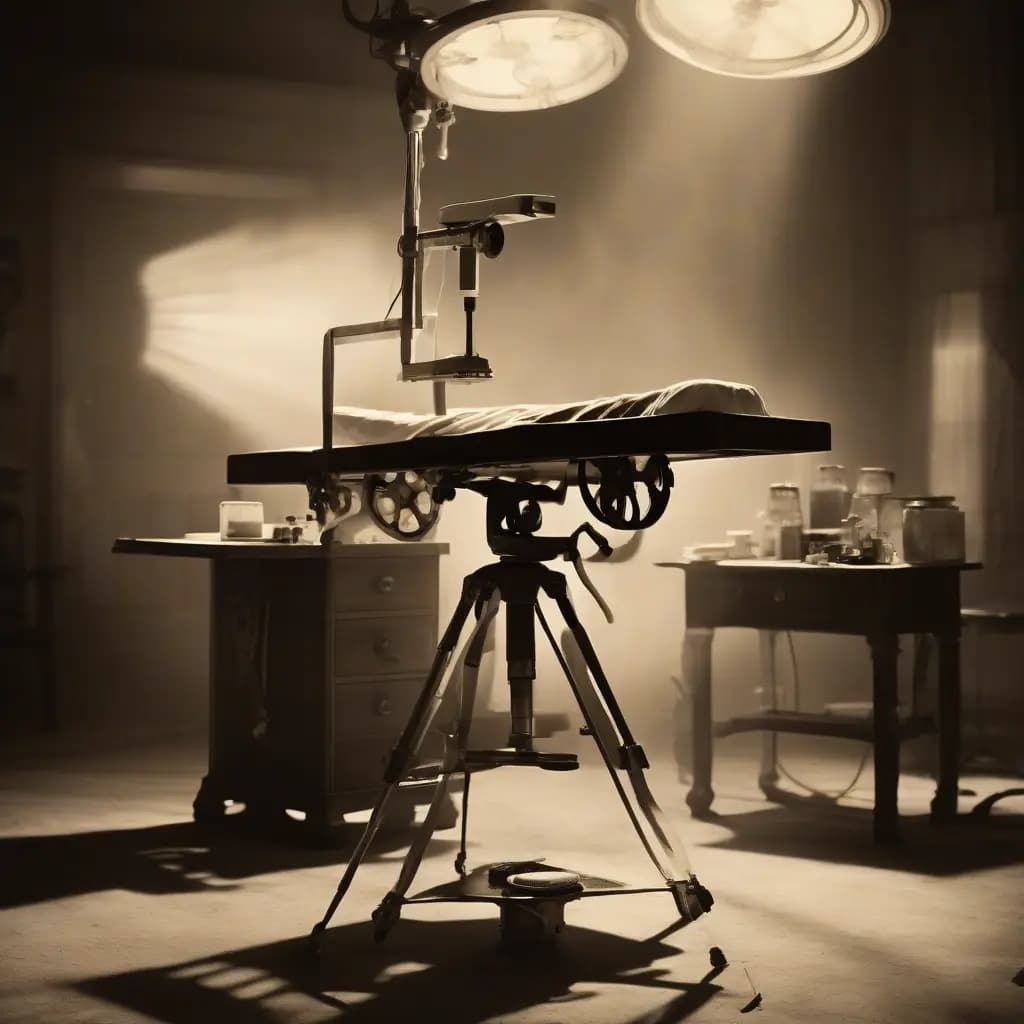
“Long before Cronenberg or Carpenter, the silent era was obsessed with the fragmentation of the human form, using limb-grafting and social hygiene panics to explore a terrifying new industrial reality.”
To the modern eye, the flickering, jittery frames of the 1910s and 20s often feel like a fever dream—a distant, silent world that has little to do with the visceral, blood-soaked practical effects of modern transgressive cinema. Yet, if you peel back the layers of nitrate and dust, you find something far more disturbing than contemporary gore. You find the architectural blueprint of the body horror cult. Long before David Cronenberg obsessed over the fusion of flesh and metal, or John Carpenter explored the shifting geometry of the human form, the pioneers of early cinema were already grappling with a terrifying new reality: the human body was no longer a sacred, unified whole. It was a collection of parts, a machine that could be disassembled, modified, and grafted into something unrecognizable.
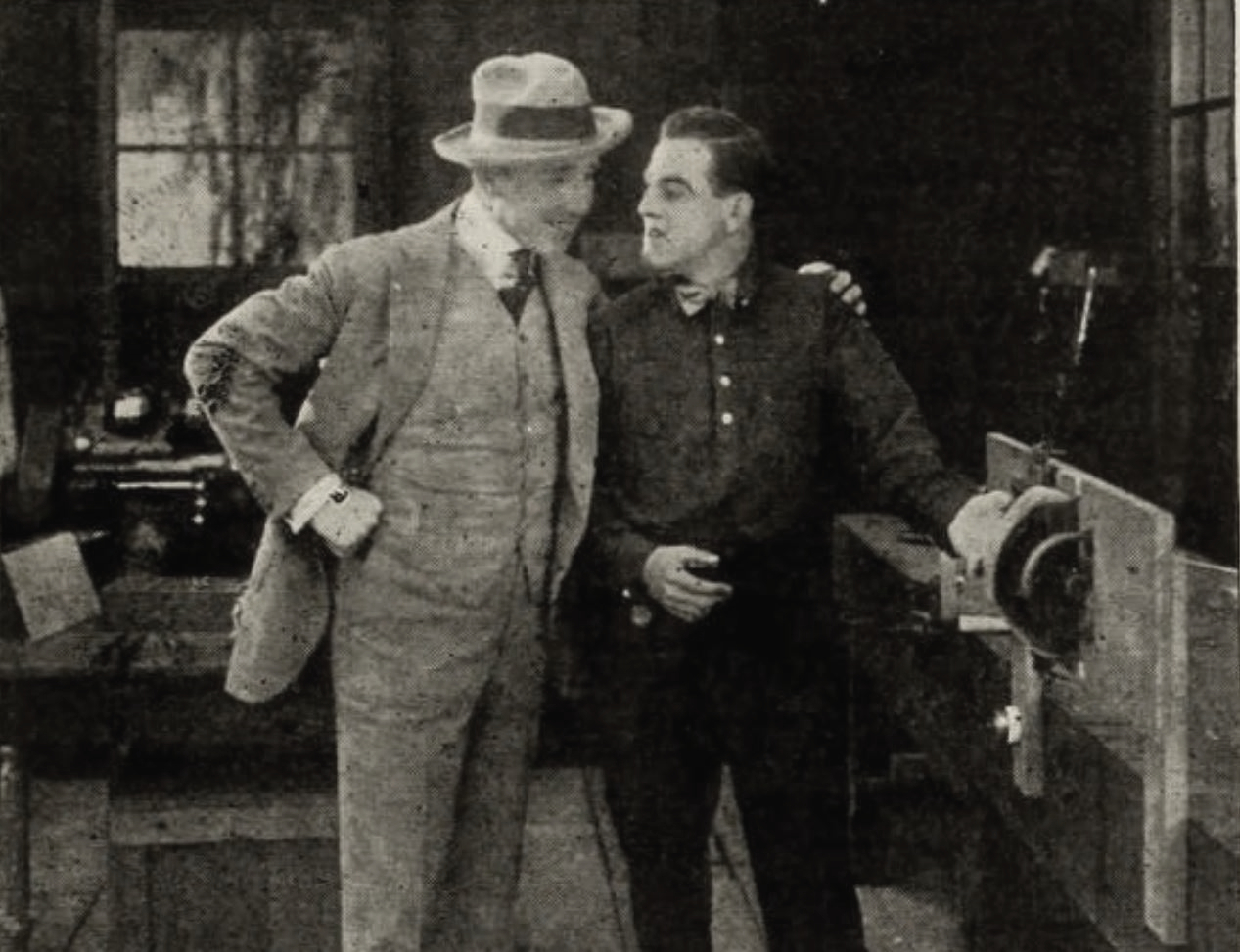
This wasn't merely a fascination with the macabre. It was a collective psychological response to an era defined by industrial slaughter and unprecedented medical intervention. Between the gears of the Industrial Revolution and the literal dismemberment of the Great War, cinema became the laboratory where society processed its deepest anxieties about physical integrity. We look at films from this era not as primitive relics, but as the foundational texts of the 'midnight movie' mindset—a space where the forbidden, the clinical, and the uncanny collide to create a devotional experience for the spectator.

The Surgeon’s Scalpel as a Narrative Engine
At the heart of this early obsession sits a film that remains a cornerstone of what we might call 'proto-body horror': the 1915 production Mortmain. Directed by Theodore Marston, this film presents a premise that feels shockingly modern in its clinical coldness. Surgeon Crisp, a man whose very name suggests the sharp, sterile edge of a knife, announces to his students that he has solved the fundamental problem of limb-grafting. He doesn't just want to heal; he wants to rewrite the biological code. This isn't the gothic magic of Frankenstein; it is the cold, calculated ambition of the modern scientist.
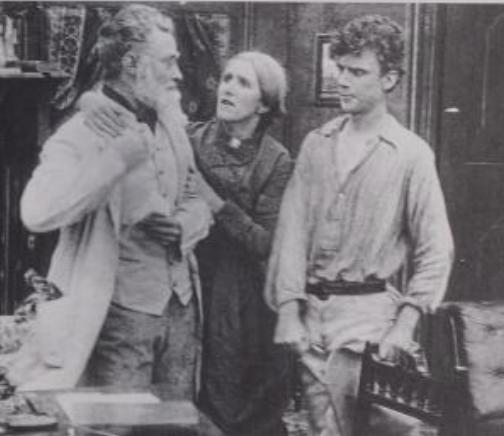
When Mortmain, a friend of the surgeon, becomes the subject of these experiments, the film pivots from a medical procedural into a dark meditation on identity. If your hand is replaced by the hand of another, whose impulses drive the fingers? This question of the 'alien limb' or the 'stolen skin' is a recurring motif in cult cinema, from The Hands of Orlac to modern iterations like Body Parts. The silent era didn't need dialogue to convey the horror of this fragmentation; the visual of a man staring at a part of himself that he no longer recognizes is a universal cipher for the loss of autonomy.
The early cinema screen was a petri dish where the boundaries of the self were dissolved, one surgical incision at a time.
The Industrialized Body and Post-War Trauma
To understand why the 1910s were so obsessed with surgical transgression, we must look at the world outside the theater. The 1917 film Carry On, which followed the adventures of 'Old Bill' in the trenches, might have been framed as a war adventure, but it existed in a world where men were being shredded by machine guns and rebuilt in field hospitals. The 'grafted' man wasn't a fantasy; he was a common sight on the streets of London, Paris, and Berlin. This reality birthed a specific kind of cinematic voyeurism—a need to see the body broken and repaired as a way of mastering the fear of one's own fragility.
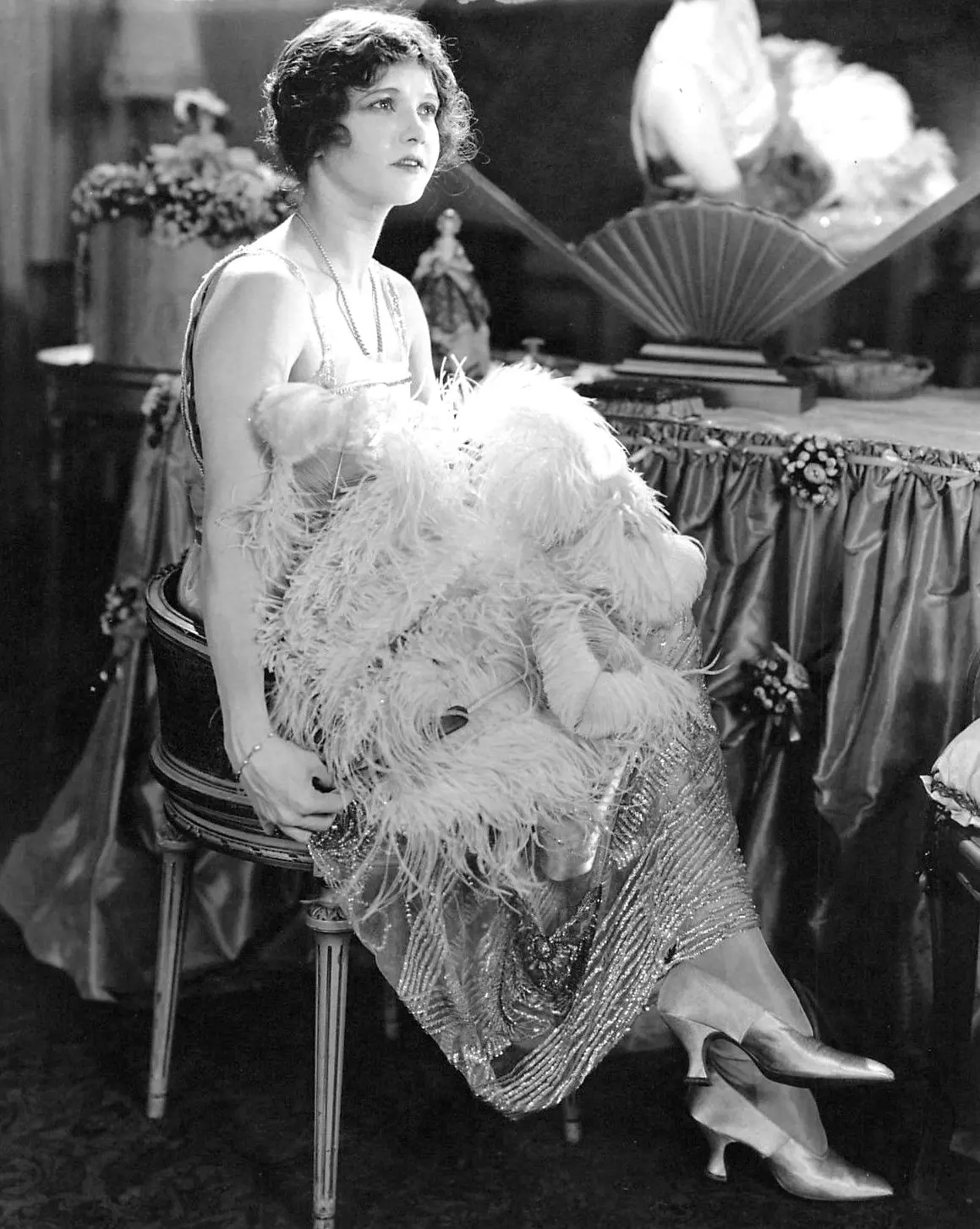
This trauma manifested in strange, liminal films like The Isle of Lost Ships (1923). While ostensibly a drama about a motley community of shipwreck survivors, it functions as a metaphor for the 'discarded' human. In this film, people are literally trapped in a graveyard of broken vessels, forced to choose mates and build a society from the wreckage. It mirrors the 'fragmented self' that would become a staple of cult narratives—the idea that we are all just survivors picking through the ruins of our own identities, trying to find a piece that fits.
The Syphilis Circuit: Social Hygiene as Exploitation
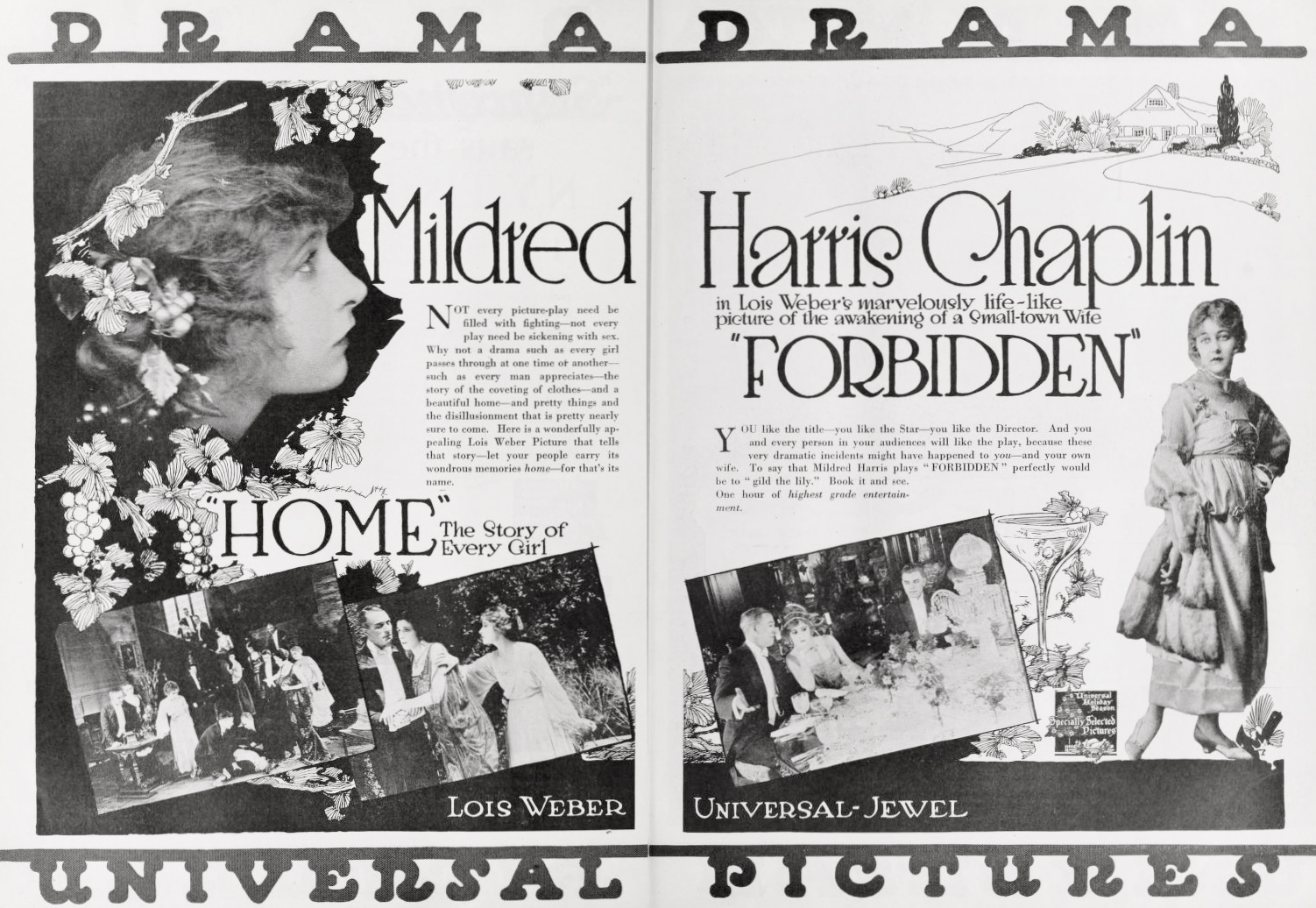
While some films explored the physical graft, others focused on the 'invisible rot'—the hidden diseases that threatened the social fabric. This gave birth to the 'Social Hygiene' film, perhaps the most direct ancestor of the exploitation cult. A prime example is Open Your Eyes (1919). Marketed as a propagandistic melodrama to educate the public on the horrors of venereal disease, it was, in reality, a gateway to the forbidden. It allowed audiences to gaze upon the 'unclean' under the guise of moral improvement.
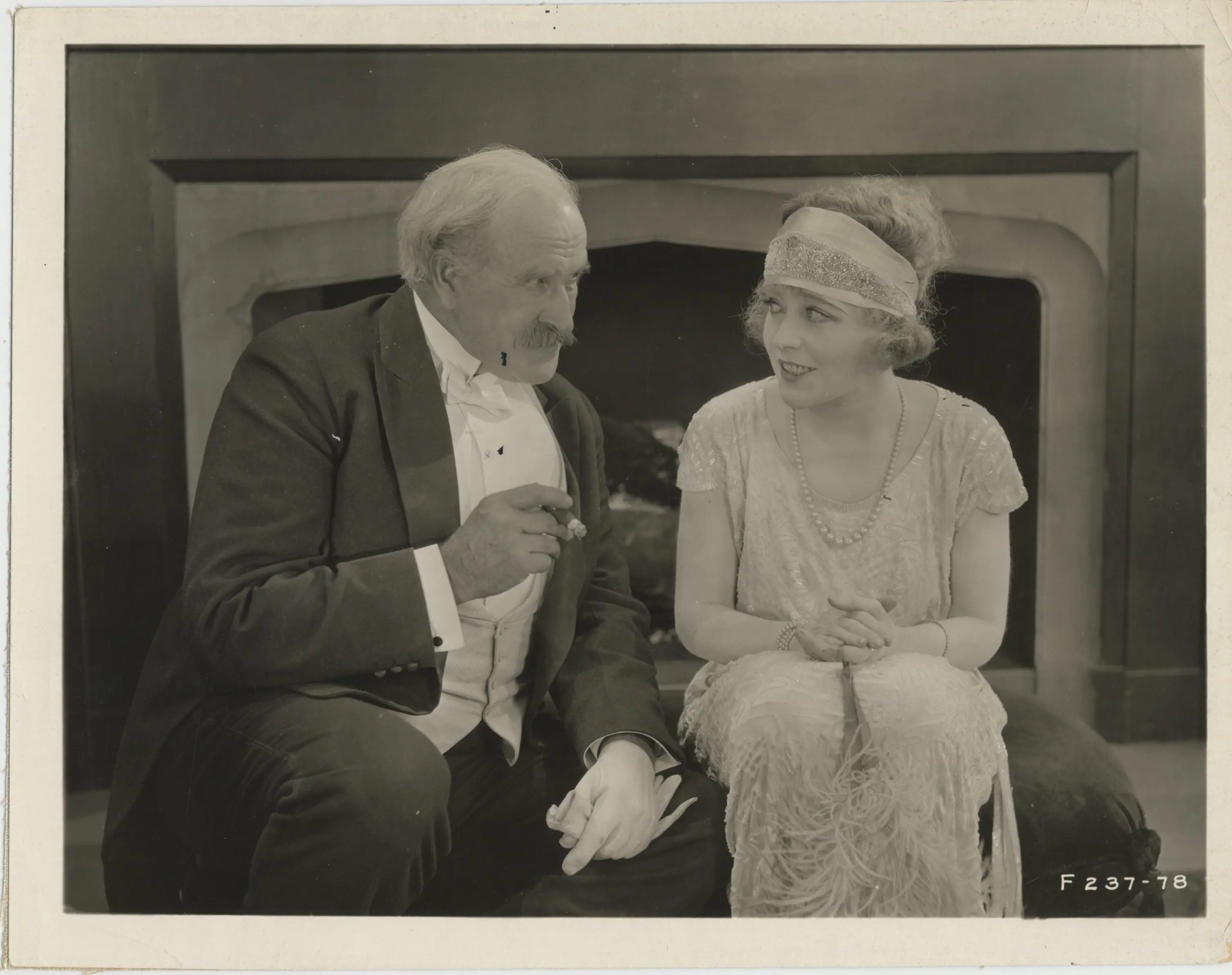
- The use of clinical charts and medical warnings to bypass censorship.
- The focus on the 'hidden' nature of the threat, fostering a culture of paranoia.
- The transformation of the doctor into a high priest of the forbidden.
- The visual representation of the 'decaying' body as a moral judgment.
This 'Syphilis Circuit' created a specific type of spectator: one who sought out the film not for its story, but for the transgressive thrill of seeing what was supposed to be hidden. This is the exact DNA of the midnight movie. When we watch a film like Open Your Eyes today, we aren't seeing a health PSA; we are seeing the birth of the voyeuristic cult, where the screen serves as a window into the anatomical and moral abyss.
The Psychology of the Fragmented Self
As the 1920s progressed, the obsession with the physical body began to merge with a deeper psychological fracturing. In Tod Browning’s White Tiger (1923), we see three criminals forced to hide out together, their mutual distrust acting as a slow-motion dissection of the human ego. Browning, who would later give us the ultimate cult masterpiece Freaks, was already experimenting with the idea that the 'monstrous' was not an external force, but a result of internal fragmentation. The characters in White Tiger aren't just hiding from the law; they are hiding from the pieces of themselves they can no longer control.
This theme of the 'split' or 'dual' identity was a hallmark of the era. Whether it was the literal limb-grafting in Mortmain or the metaphorical identity theft in countless silent thrillers, the message was clear: the self was a construct, and that construct was failing. This is why these films resonate so deeply with the cult mindset. Cult cinema thrives in the gaps between what we are told we should be and the messy, fragmented reality of what we actually are. The silent era provided the first visual language for this dissonance.
The Aesthetics of the Nitrate Nightmare
We cannot talk about the power of these films without discussing the medium itself. Nitrate film is inherently volatile, prone to decay and spontaneous combustion. This physical instability adds a layer of 'body horror' to the viewing experience. When we watch a surviving print of a 1910s film, the bubbles, scratches, and chemical burns on the celluloid look like skin diseases or scar tissue. The film itself is a grafted entity, a survivor of a century of neglect.
This aesthetic of decay—the 'nitrate scar'—is something that modern cult filmmakers often try to replicate digitally. But in the early 20th century, it was a lived reality. The flickering light of the projector didn't just show a story; it illuminated a world that was literally falling apart. For the cult spectator, this decay is not a flaw; it is the texture of truth. It reminds us that everything—our bodies, our films, our memories—is subject to the same inevitable fragmentation.
The Legacy: From Grafted Limbs to New Flesh
The line from Mortmain to Videodrome is straighter than many realize. The early 20th century’s obsession with the surgical and the clinical wasn't just a phase; it was the beginning of a permanent shift in how we perceive the human condition. We moved from the 'soul' to the 'body-as-machine,' and cinema was the primary tool used to document that transition. The films we now categorize as 'cult' from this era are the ones that refused to look away from the gore, the stitches, and the social rot.
They taught us that there is a dark beauty in the breakdown. They taught us that the 'forbidden' is often just a mirror of our own internal anxieties. And most importantly, they established the ritual of the cult film: the act of gathering in the dark to witness the impossible, the transgressive, and the divine. Whether it's a surgeon grafting a hand or a modern director grafting digital effects onto a live-action frame, the impulse remains the same. We are still trying to understand the grafted soul.
As we continue to unearth these nitrate relics, we find that the 'midnight mind' didn't start in the 1970s with the rise of the counter-culture. It was born in the silent laboratories of the 1910s, fueled by the trauma of a world that had suddenly realized its own mortality. The next time you find yourself captivated by a modern body horror masterpiece, remember Surgeon Crisp and his limb-grafting proof. The scalpel was already moving, the incision was already made, and we have been watching the blood flow ever since.
Community
Comments
Log in to comment.
Loading comments…