
DbcultAccessing Vault...
Director's Spotlight
Senior Film Conservator
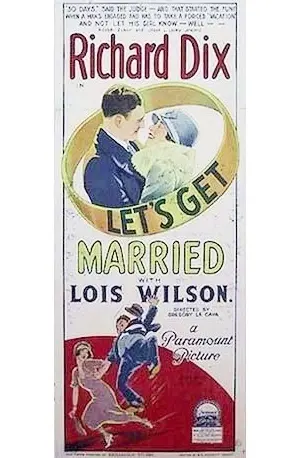
Director's Spotlight: United States
A Deep Dive into the 1926 Vision of Gregory La Cava
The brilliance of Let's Get Married (1926) is inseparable from the visionary mind of its creator, Gregory La Cava. Serving as a mirror to the anxieties of a changing world, it persists as a haunting reminder of our own cinematic history.
In Let's Get Married, Gregory La Cava pushes the boundaries of conventional narrative. The film's unique approach to its subject matter has sparked endless debates and interpretations among cinephiles and critics alike.
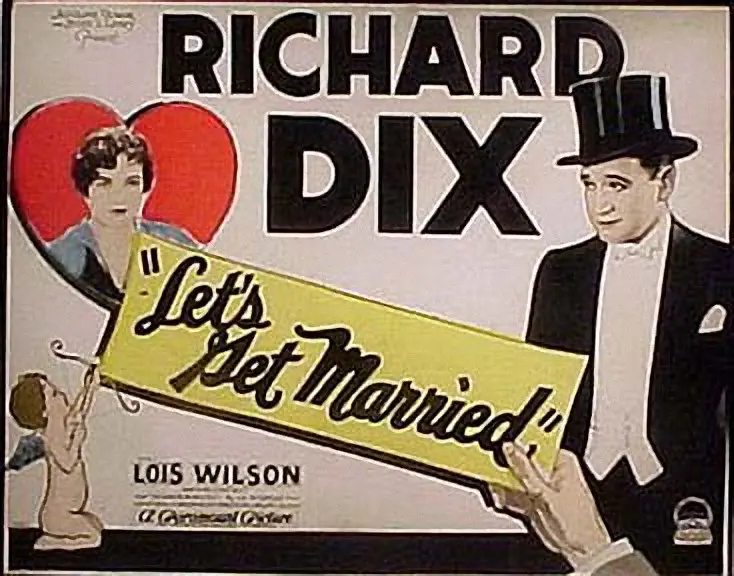
While deeply rooted in United States, Let's Get Married has achieved a global reach, influencing directors from various backgrounds. Its ability to translate Comedy tropes into a universal cinematic language is why it remains a cult staple decades after its 1926 release.
| Cinematography | Noir-Inspired |
| Soundtrack | Minimalist |
| Editing | Disjunctive |
| Art Direction | Baroque |
Visualizing the convergence of Gregory La Cava's style and the core Comedy narrative.
College football star Billy Dexter is prone to getting into public fights. His father demands he reform and sends him to mend his ways with a devout old woman who deals in hymnals. She turns out to be devoutly drunk and a saloon brawler, leading to Billy's imprisonment. He tells his fiancée he's doing missionary work on a pacific island. He escapes and persuades her to marry him, all the while dodging the police who pursue him.
Decades after its release, Let's Get Married remains a vital piece of the cinematic puzzle. Its influence can be seen in countless modern works, solidifying Gregory La Cava's status as a master of the craft in United States and beyond.