
DbcultAccessing Vault...
Director's Spotlight
Senior Film Conservator
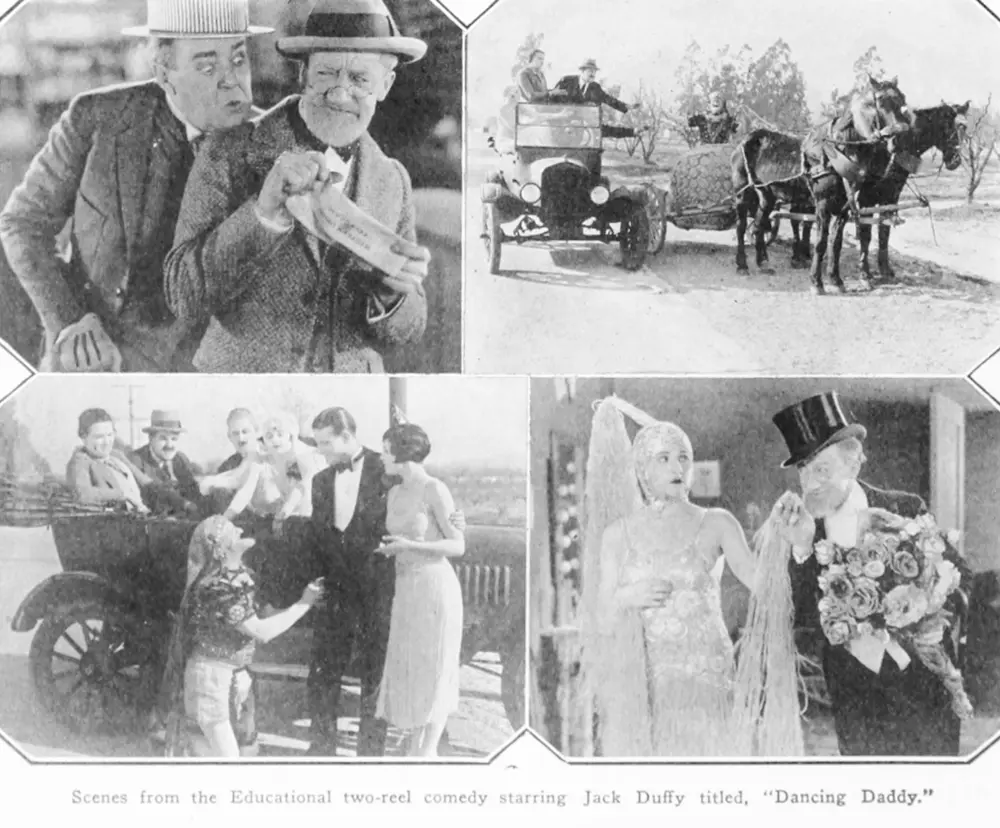
Director's Spotlight: United States
A Deep Dive into the 1926 Vision of Harold Beaudine
The brilliance of Dancing Daddy (1926) is inseparable from a monumental shift in Comedy filmmaking spearheaded by Harold Beaudine. Occupying a unique space between Comedy and pure art, it serves as a blueprint for future generations of Comedy directors.
In Dancing Daddy, Harold Beaudine pushes the boundaries of conventional narrative. The film's unique approach to its subject matter has sparked endless debates and interpretations among cinephiles and critics alike.
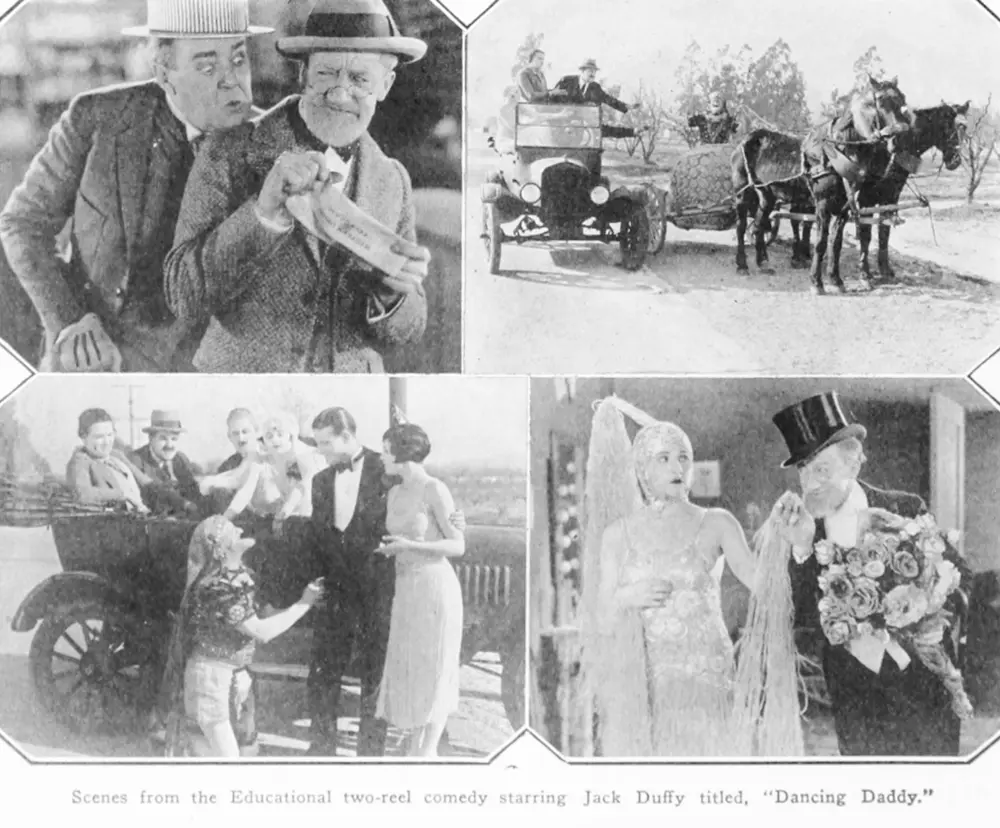
In this work, Harold Beaudine explores the intersection of Comedy and United States cultural identity. The meticulous attention to detail suggests a deep-seated commitment to pushing the boundaries of the medium, ensuring that Dancing Daddy remains a relevant topic of study for Comedy enthusiasts.
| Cinematography | Static |
| Soundtrack | Experimental |
| Editing | Invisible |
| Art Direction | Kitsch |
Visualizing the convergence of Harold Beaudine's style and the core Comedy narrative.
A town squire, alarmed by the reported engagement of his son to a chorus girl, goes to the city with a determination to break up the impending ceremony, even to the extent of marrying the girl himself. Arriving in town, and after effecting an introduction to the girl, father works fast in his effort to save his son and soon has the girl's promise of marriage. He then discovers that the son is already married to another and many troubles arise with his attempt to free himself from the vamp and her brother.
Decades after its release, Dancing Daddy remains a vital piece of the cinematic puzzle. Its influence can be seen in countless modern works, solidifying Harold Beaudine's status as a master of the craft in United States and beyond.