
DbcultAccessing Vault...
Director's Spotlight
Senior Film Conservator
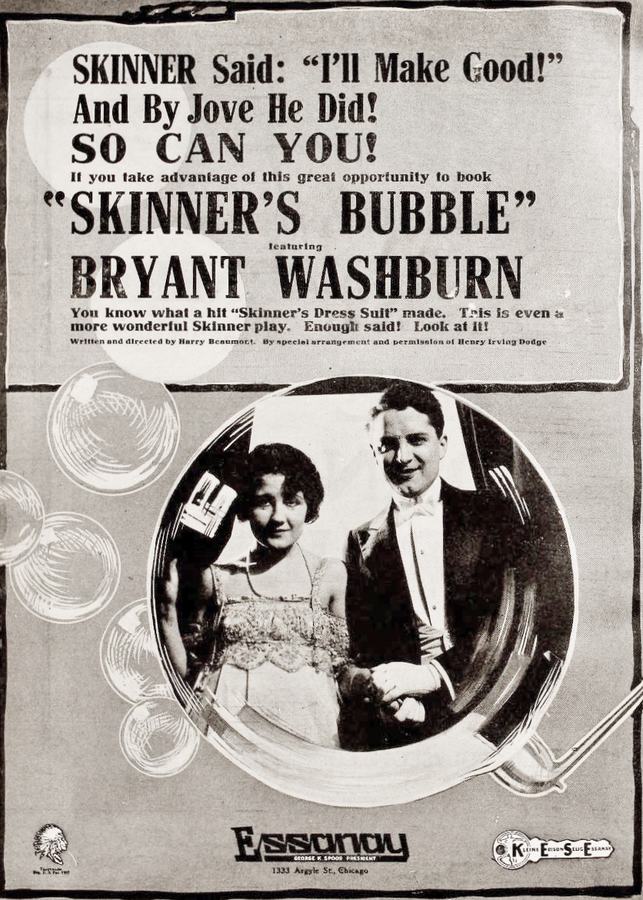
Director's Spotlight: United States
A Deep Dive into the 1917 Vision of Harry Beaumont
The evocative power of Skinner's Bubble stems from the unique collaboration between the subversive storytelling techniques employed by Harry Beaumont in 1917. Synthesizing the best elements of United States and international cinema, it reminds us of the fragility and beauty of the 1917s.
In Skinner's Bubble, Harry Beaumont pushes the boundaries of conventional narrative. The film's unique approach to its subject matter has sparked endless debates and interpretations among cinephiles and critics alike.
To fully appreciate Skinner's Bubble, one must consider the cinematic climate of 1917. During this period, United States was undergoing significant artistic shifts, and Harry Beaumont was at the forefront of this cult movement, often challenging established norms.
| Cinematography | Deep Focus |
| Soundtrack | Diegetic |
| Editing | Elliptical |
| Art Direction | Expressionist |
Visualizing the convergence of Harry Beaumont's style and the core cult narrative.
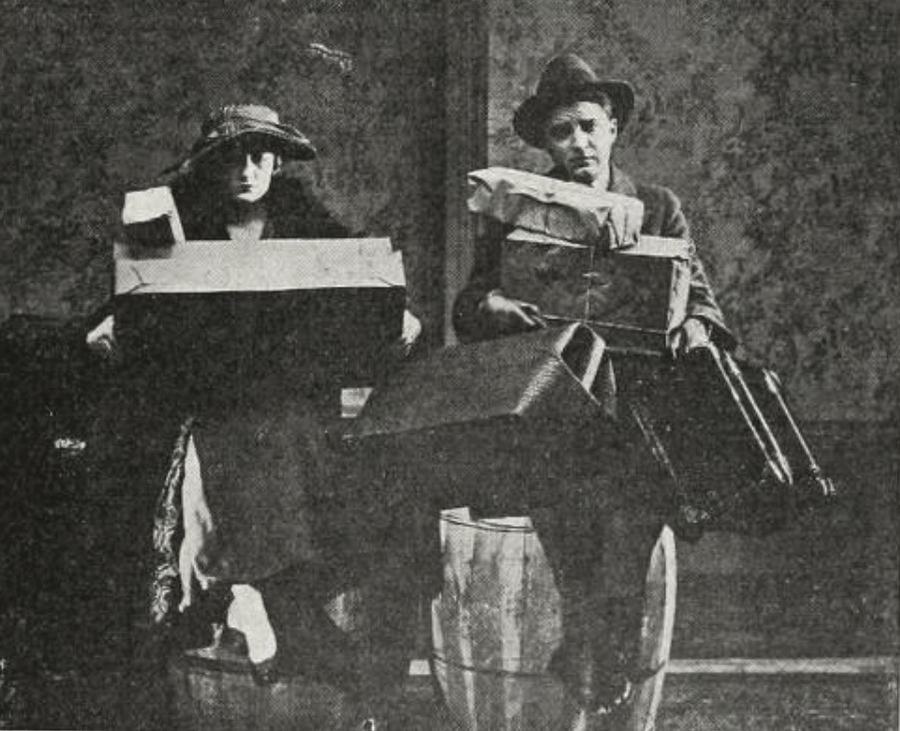
William Manning Skinner, having attained a junior partnership in the firm of McLaughlin and Perkins, aspires to higher things. He figures that by working for himself he can become the Napoleon of the industrial world. He resigns his position and sets up in business for himself on a big scale. Skinner runs onto the verge of bankruptcy. He neglected to note that the prestige of the old-established firm he left had been largely responsible for his past success. Does he confess his failure to Honey, his adoring little wife? No. He informs her casually he is making money so fast he cannot count it. Honey confides to Mrs. McLaughlin, who in turn tells her husband. McLaughlin and Perkins decide they have made a tremendous mistake in letting Skinner get out of the firm. So it happens that just as Skinner is preparing to go into bankruptcy, a miserable failure, the partners make him a staggering offer to become again a member of their firm. It was Skinner's bluff that did it, coupled with Honey's unfailing belief in her husband's Napoleonic might.
Decades after its release, Skinner's Bubble remains a vital piece of the cinematic puzzle. Its influence can be seen in countless modern works, solidifying Harry Beaumont's status as a master of the craft in United States and beyond.