
DbcultAccessing Vault...
Director's Spotlight
Senior Film Conservator
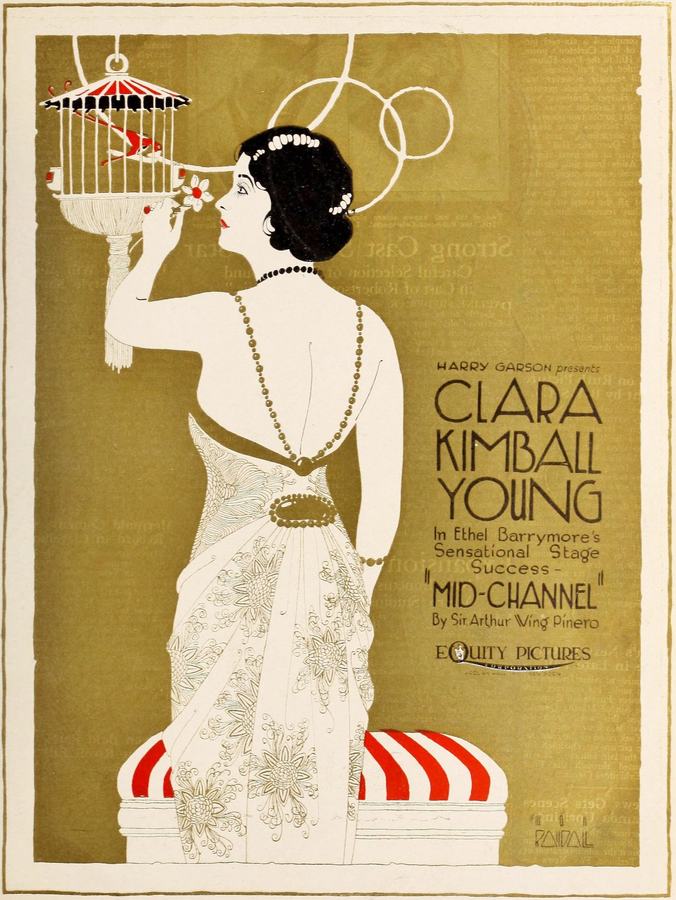
Director's Spotlight: United States
A Deep Dive into the 1920 Vision of Harry Garson
Deciphering the layers of Mid-Channel (1920) reveals a monumental shift in Romance filmmaking spearheaded by Harry Garson. With its avant-garde structure and atmospheric tension, offering layers of thematic complexity that demand repeated viewing.
In Mid-Channel, Harry Garson pushes the boundaries of conventional narrative. The film's unique approach to its subject matter has sparked endless debates and interpretations among cinephiles and critics alike.
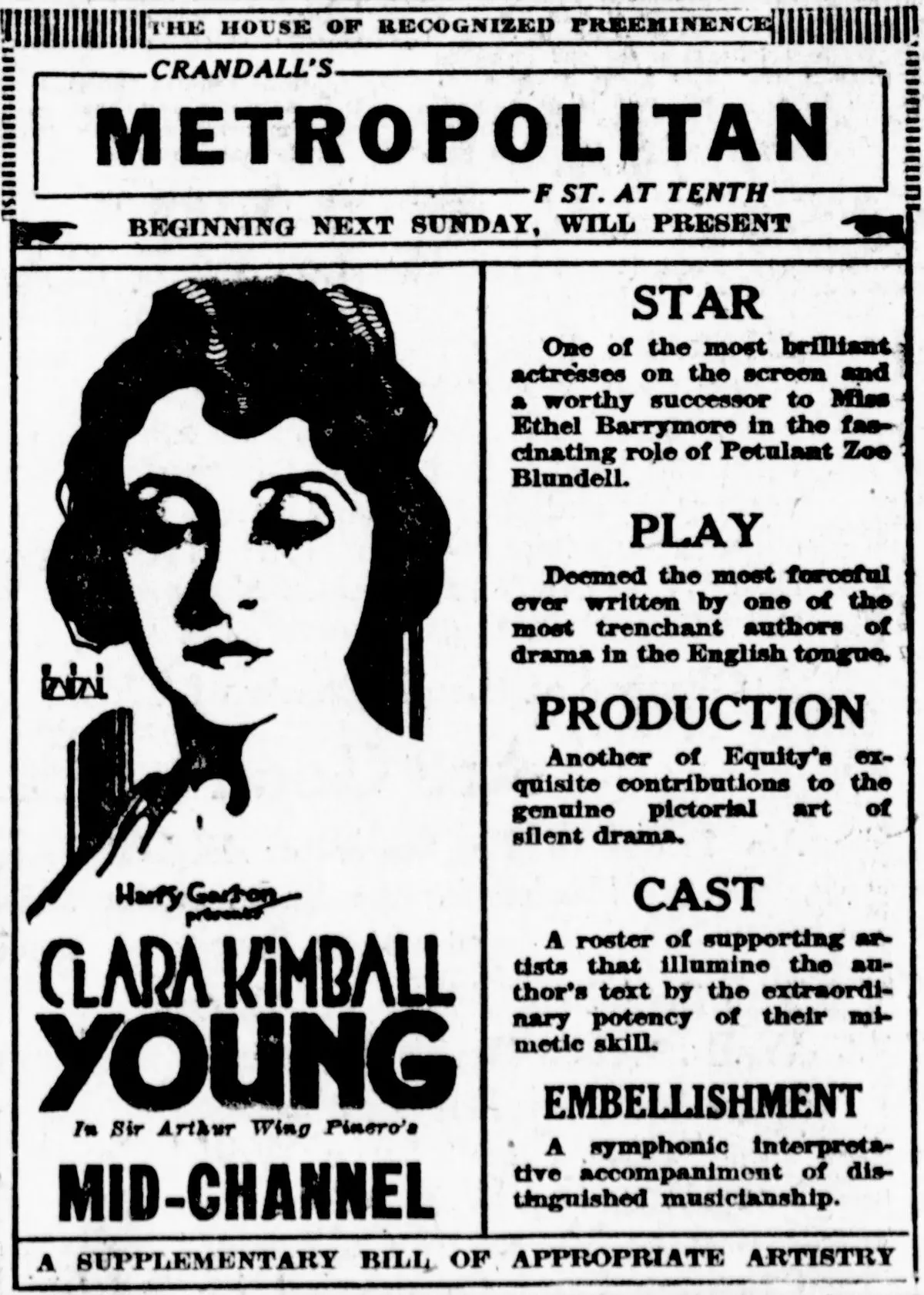
In this work, Harry Garson explores the intersection of Romance and United States cultural identity. The meticulous attention to detail suggests a deep-seated commitment to pushing the boundaries of the medium, ensuring that Mid-Channel remains a relevant topic of study for Romance enthusiasts.
| Cinematography | Handheld |
| Soundtrack | Minimalist |
| Editing | Disjunctive |
| Art Direction | Baroque |
Visualizing the convergence of Harry Garson's style and the core Romance narrative.
Zoe Blundell, peeved at the seeming negligence of her husband Theodore, retaliates by spending most of her evenings away from home, usually in the company of men. Theodore, not sufficiently impressed with the truth of the old adage, "There is safety in number," takes issue with her, with the result that quarrel after quarrel occurs. Hon. Peter Mottram, an old friend of Theodore's, attempts to establish a reconciliation between them and almost succeeds, until Zoe's petulance overturns his plans, and a wider breach than even is the result. Finally they separate and Zoe goes to Italy, where she is followed by an old flame, Leonard Ferris, who seeks to bring about a divorce between Zoe and her husband. In the meantime Theodore has found that although experience seems to have proved that it is impossible to live with a woman, neither can he live without one, and he is discovered living in a flat with a pretty young widow, Mrs. Annerly. Several complications occur, involving Leonard Ferris and Ethel Pierpont, whose mother has been angling for Ferris as a son-in-law. Peter Mottram again steps in and this time succeeds in bringing about a reconciliation between the estranged pair. - Moving Picture World, September 25, 1920.
Decades after its release, Mid-Channel remains a vital piece of the cinematic puzzle. Its influence can be seen in countless modern works, solidifying Harry Garson's status as a master of the craft in United States and beyond.