
DbcultAccessing Vault...
Director's Spotlight
Senior Film Conservator
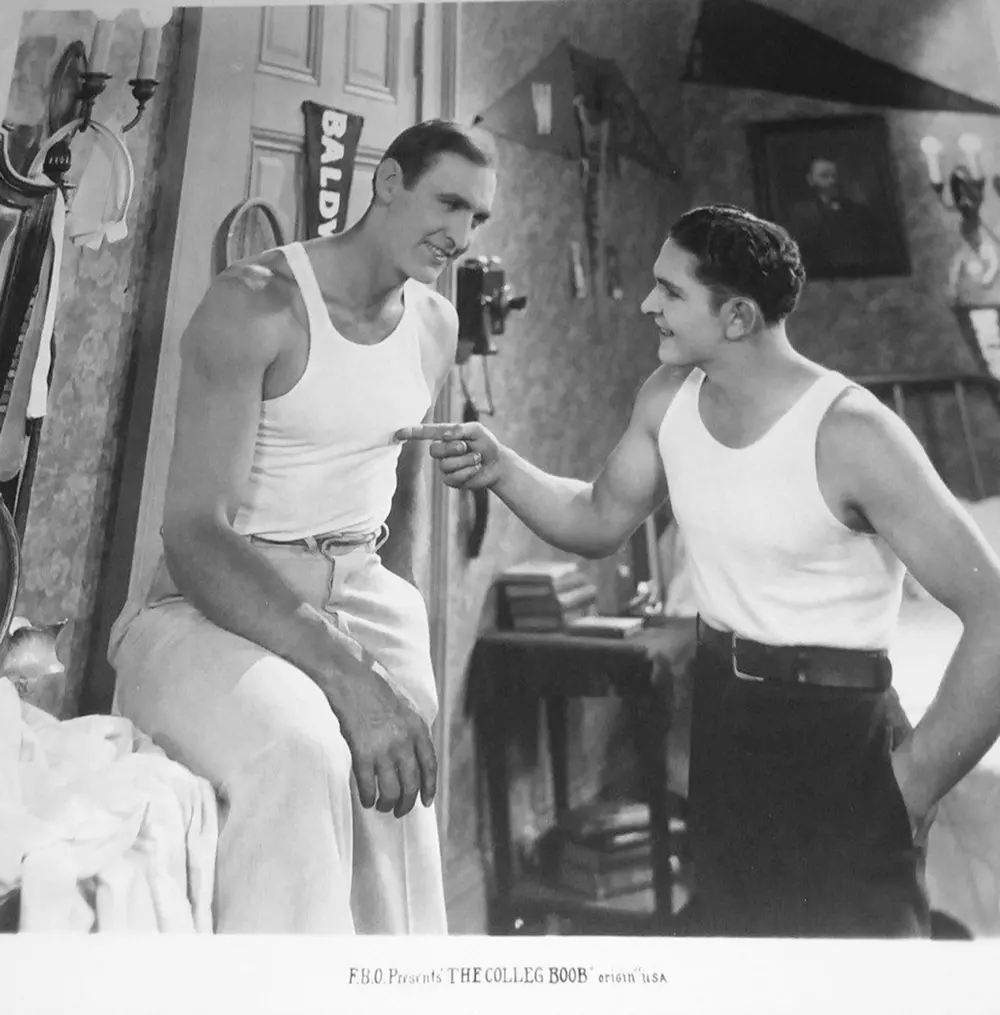
Director's Spotlight: United States
A Deep Dive into the 1926 Vision of Harry Garson
Few works in United States cinema carry the same weight as The College Boob, especially regarding the technical innovation that Harry Garson introduced to the Drama format. Subverting the expectations of the typical 1926 audience, it bridges the gap between traditional Drama and contemporary vision.
In The College Boob, Harry Garson pushes the boundaries of conventional narrative. The film's unique approach to its subject matter has sparked endless debates and interpretations among cinephiles and critics alike.
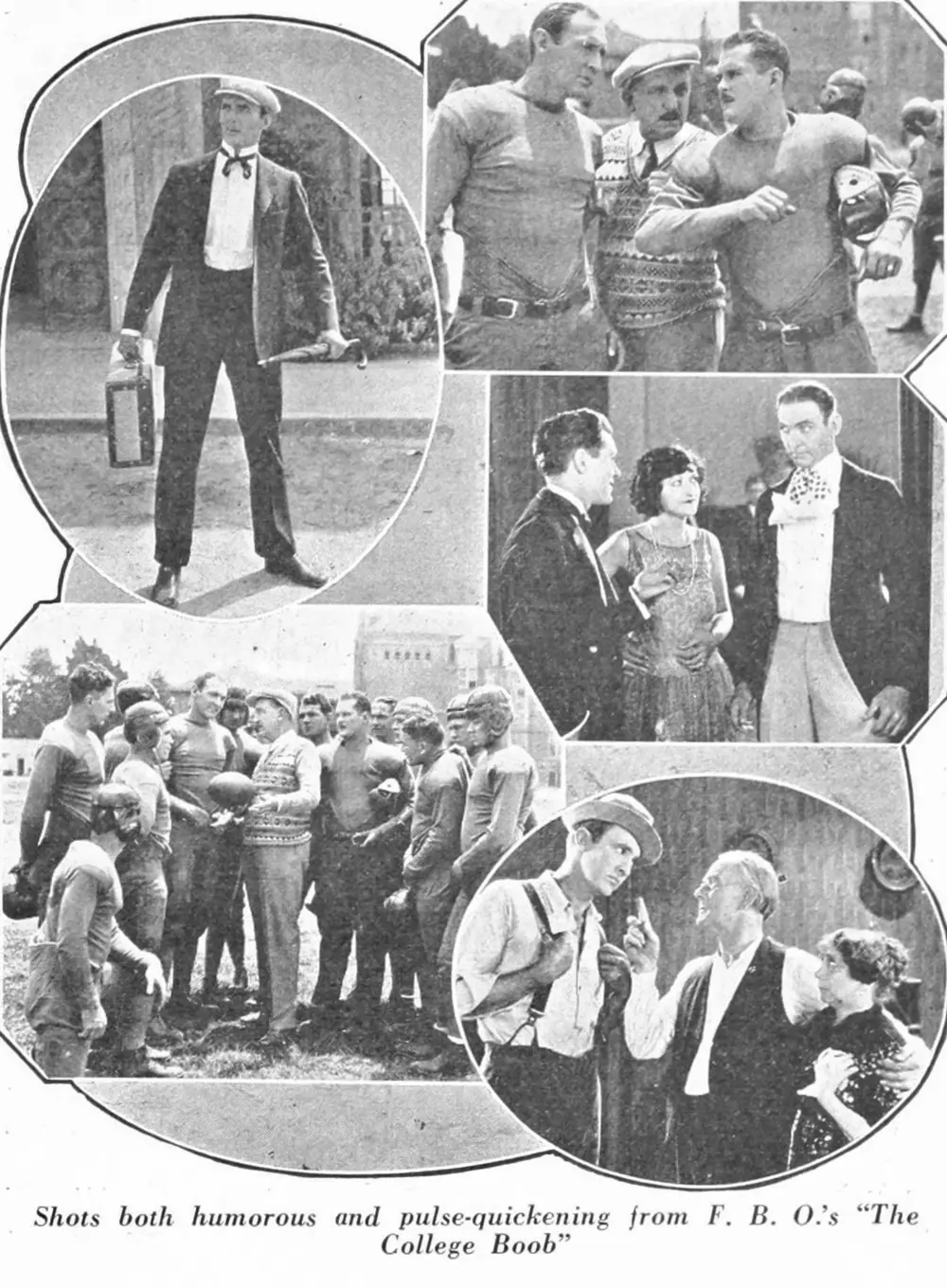
While deeply rooted in United States, The College Boob has achieved a global reach, influencing directors from various backgrounds. Its ability to translate Drama tropes into a universal cinematic language is why it remains a cult staple decades after its 1926 release.
| Cinematography | High-Contrast |
| Soundtrack | Minimalist |
| Editing | Disjunctive |
| Art Direction | Baroque |
Visualizing the convergence of Harry Garson's style and the core Drama narrative.
Aloysius Appleby, known as Ally, leaves his small town for Baldwin College and promises his Aunt Polly and Uncle Lish that he will not indulge in sports. Horatio Winston, a senior at the college, becomes jealous of Ally's powerful physique and plans to make him the college boob. Ally meets Angela Boothby (Horatio's girl), is immediately smitten, and pesters his roommate, Shorty Buzelle, for information about her. At a "pep" dance, the boys dress Ally in a ridiculous manner: he is severely ridiculed, and, at Angela's insistence, he promotes some respect with his fists. Pop Warren, the football coach, encourages him to try out for the team, in spite of his promise, and he is the hero of the first game. Later, when Ally refuses to play, Angela explains the importance of his playing to his aunt and uncle. They come to the game, and Ally goes in in time to save the team.
Decades after its release, The College Boob remains a vital piece of the cinematic puzzle. Its influence can be seen in countless modern works, solidifying Harry Garson's status as a master of the craft in United States and beyond.