
Cult Cinema
The Indigo Insurgent: Unveiling the Transgressive Soul and Niche Devotion of Cinema’s Earliest Genre Rebels
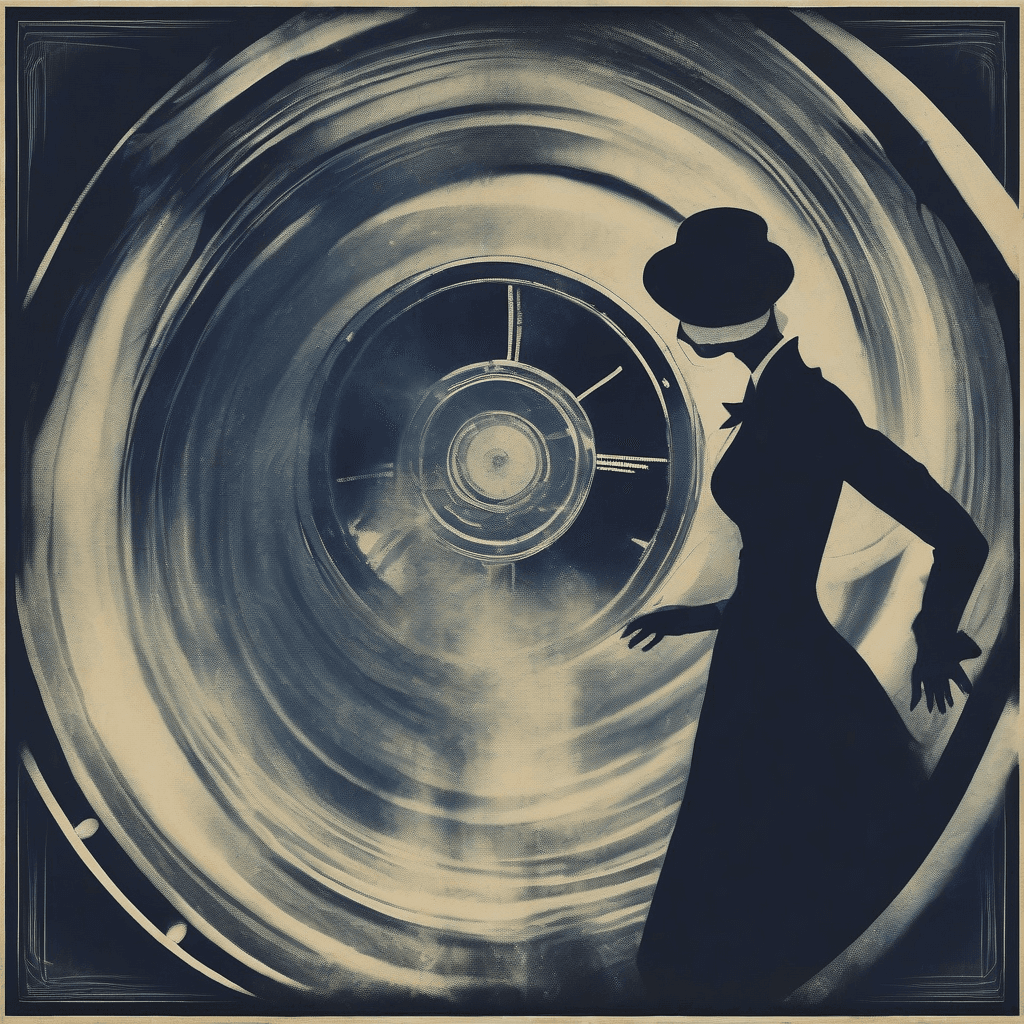
“Explore how the forgotten fringe of the silent era laid the genetic blueprint for modern cult cinema through narrative anarchy, moral transgression, and the birth of niche devotion.”
In the flickering shadows of the early twentieth century, a specific breed of cinema began to breathe. Long before the term "cult classic" was coined by critics or commodified by distributors, there existed a clandestine collection of films that refused to adhere to the burgeoning rules of Hollywood’s Golden Age. These were the Indigo Insurgents—films that occupied the peripheral vision of the mainstream, thriving on the fervor of small, dedicated audiences who saw something in the celluloid that others ignored. To understand the modern obsession with the unconventional, we must look back at the silent era’s original misfits, where the genetic code of cinematic devotion was first written in nitrate and silver.
The Genesis of the Cinematic Outlier
Cult cinema is often defined by its transgressive nature, its refusal to play by the rules of genre, and its ability to forge an unbreakable bond with its viewers. This phenomenon did not emerge from a vacuum in the 1970s with midnight screenings; it was baked into the very foundation of the medium. Consider the 1918 production The Ghost of Rosy Taylor. On its surface, it is a story of a young woman, Rhoda Eldridge, navigating the complexities of identity and inheritance between Paris and America. Yet, its thematic undercurrents of displacement and the search for a "true self" resonated with the displaced souls of the post-war era, creating a prototype for the narrative of the outsider that would eventually define cult icons.
Similarly, Sealed Hearts (1919) offered a cynical, almost nihilistic view of human relationships. By presenting a protagonist who actively distrusts and hates women, the film challenged the romantic ideals of its time. This kind of moral friction is the primary fuel for cult status. When a film like Between Men explores the cold, transactional nature of Wall Street through the lens of a father-daughter-suitor triangle, it strips away the veneer of societal politeness, inviting a specific kind of engagement from an audience weary of saccharine melodrama.
Narrative Anarchy and the Proto-Horror Aesthetic
The Body Horror of Mortmain
One of the most striking examples of early transgressive cinema is Mortmain (1915). Long before Cronenberg or Carpenter, this film delved into the macabre world of limb-grafting. The story follows Surgeon Crisp, a man obsessed with the biological limits of the human body. This is not merely a medical drama; it is a descent into the grotesque. The fascination with the "forbidden" science and the physical transformation of the human form is a cornerstone of cult horror. Mortmain provided a blueprint for the mad scientist archetype, but it did so with a somber, atmospheric intensity that appealed to the darker curiosities of the silent-era public.
This thread of the uncanny continues in A Sister to Salome (1920), where ether-induced visions transport a famous opera singer to ancient Rome. The use of altered states of consciousness as a narrative device allowed filmmakers to experiment with surreal imagery and non-linear storytelling. These "dream sequences" are where the avant-garde and the cult-bound often intersect. By breaking the reality of the frame, films like this taught audiences to look for meaning beyond the literal, a skill that remains essential for any true devotee of the niche.
Moral Mavericks and Social Defiance
Cult cinema has always been a sanctuary for the social pariah. In The Conquest of Canaan (1921), we see the archetype of the "ne'er-do-well" who scandalizes a proper town. Joe Louden is the original rebel without a cause—or rather, a rebel whose cause is simply to exist outside the stifling morality of the status quo. This theme of the misunderstood protagonist is a recurring motif in films that achieve longevity through niche devotion. We see it again in Ashamed of Parents (1921), a drama that pits the aspirations of a college football star against the humble, "embarrassing" roots of his shoemaker father. These films spoke to the anxieties of a changing class structure, providing a voice for those who felt caught between two worlds.
The Noir Precursors and Shadowy Underworlds
The cinematic underground is often literally subterranean, as seen in the "tong" narratives and crime thrillers of the era. The Sign of the Poppy (1916) is a masterclass in early suspense, involving twins, Chinese secret societies, and business betrayals. It utilized the "otherness" of its setting to create a sense of danger and mystery that felt vastly different from the pastoral comedies of the day. This attraction to the "exotic" and the dangerous is what would later evolve into the gritty realism of film noir and the transgressive thrills of the exploitation era.
Even in the realm of action, films like Sky High (1922) and the serial The Lion's Claws (1918) pushed the boundaries of what was physically possible on screen. These weren't just movies; they were endurance tests for their heroines and heroes. The intrepid woman of The Lion's Claws, navigating jungles and deserts, offered a proto-feminist vision of agency that was far ahead of its time. The fans who followed these serials week after week were the first true "stans," creating a culture of repeat viewership and obsessive detail-tracking that we now associate with major cult franchises.
Genre Mutations: From Fairy Tales to Psychological Thrills
The beauty of the early silent era was its lack of rigid genre boundaries. A film could be a comedy, a fantasy, and a family drama all at once. Tischlein deck dich, Eselein streck dich, Knüppel aus dem Sack (1921) is a prime example of this "genre mutation." Based on a fairy tale, it weaves together the whimsical and the idiotic, creating a tonal dissonance that is a hallmark of cult appeal. When a film feels like it shouldn't exist—or that it's speaking a language only a few understand—it gains a sacred status among its viewers.
On the opposite end of the spectrum, Flirting with Fate (1916) tackles the heavy subject of suicidal depression with a dark comedic twist. A man hires a hitman to kill him, only to change his mind and spend the rest of the film fleeing his own assassin. This kind of gallows humor is pure cult gold. it takes a primal human fear and subverts it through irony and slapstick, a technique later perfected by directors like the Coen Brothers or Terry Gilliam. It is the narrative equivalent of a secret handshake.
The Architecture of the Midnight Mindset
Why do we return to these films? Why does the story of a "coward" posing as an Arab in The Four Feathers (1921) or the redemption of a criminal in The Twinkler (1916) stick in the cultural craw? It is because these films offer a sacred anomaly. They represent a moment in time where the camera was used to explore the fringes of human experience rather than just the center.
The cult experience is a pilgrimage. Whether it's tracking down a lost reel of The Mysterious Mr. Tiller (1917) or debating the psychological nuances of The Blood Barrier (1920), the act of viewing becomes a ritual. In The Blood Barrier, we see the destructive power of jealousy and the major Trevor's role in a domestic mission gone wrong. It’s a intense drama that refuses a happy ending, leaving the audience in a state of unresolved tension. Cult audiences crave that tension; they want to be challenged, unsettled, and ultimately changed by what they see.
The Enduring Legacy of the Misfit
As we look at the modern landscape of cinema, the influence of these early outliers is everywhere. The surrealism of A Sister to Salome paved the way for Lynchian nightmares. The body horror of Mortmain informed the splatter films of the 80s. The social defiance of The Conquest of Canaan birthed the counter-culture cinema of the 60s. Even the humble comedy shorts like Now or Never (1921) or The Kick in High Life (1920) demonstrated the power of the "absurd gag" to create a lasting impression.
To be a fan of cult cinema is to be an archaeologist of the soul. It is about digging through the strata of forgotten celluloid to find the gems that still sparkle with rebellion. These films were the first to say that it is okay to be different, it is okay to be weird, and it is okay to be a misfit. They are the Indigo Insurgents, and their revolution is far from over. From the mountain girls of Love's Protegé to the fugitive Jacques Fontaine in Wild Sumac, the characters of the silent fringe continue to haunt our screens, reminding us that the most powerful stories are often found in the shadows.
Conclusion: The Eternal Flame of the Fringe
In conclusion, the history of cult cinema is not a recent development but a century-long dialogue between the unconventional artist and the adventurous audience. By examining the transgressive DNA of the silent era, we see that the "cult" label is less about a specific genre and more about a specific spirit. It is a spirit of narrative anarchy, moral bravery, and aesthetic experimentation. As long as there are filmmakers willing to venture into the unknown, and audiences willing to follow them there, the indigo flame of the cinematic insurgent will never truly go out. Whether it's a Zuni kicking race, a haunted opera singer, or a surgeon with a penchant for grafting, these stories are the lifeblood of our cinematic culture, forever challenging us to see the world through a different, more daring lens.
Community
Comments
Log in to comment.
Loading comments…