
DbcultAccessing Vault...
Director's Spotlight
Senior Film Conservator
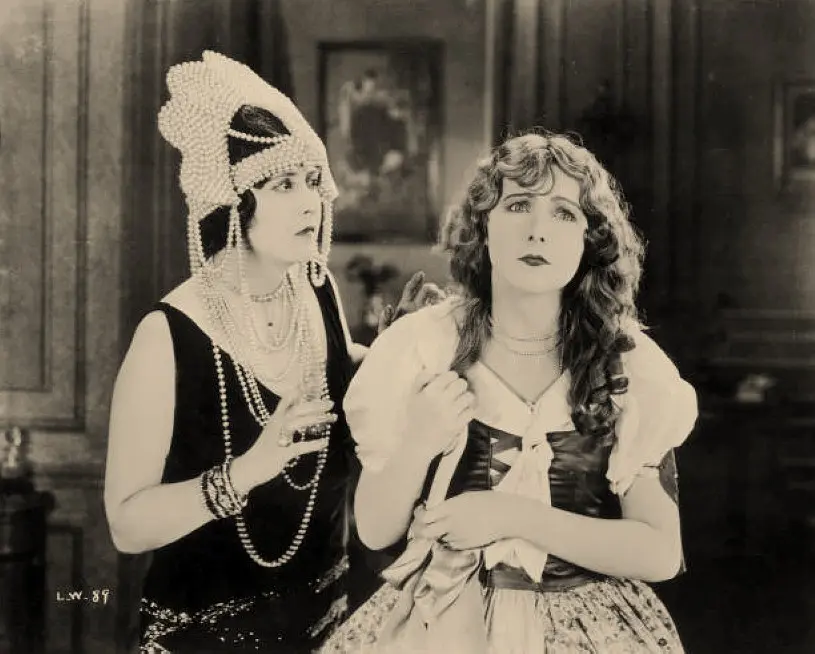
Director's Spotlight: United States
A Deep Dive into the 1925 Vision of Ivan Abramson
When we examine the cinematic landscape of United States, Lying Wives emerges as a landmark work of the unique directorial voice that Ivan Abramson brought to the screen. This film stands as a masterclass in visual storytelling, it demands to be seen by anyone who cares about the art of film.
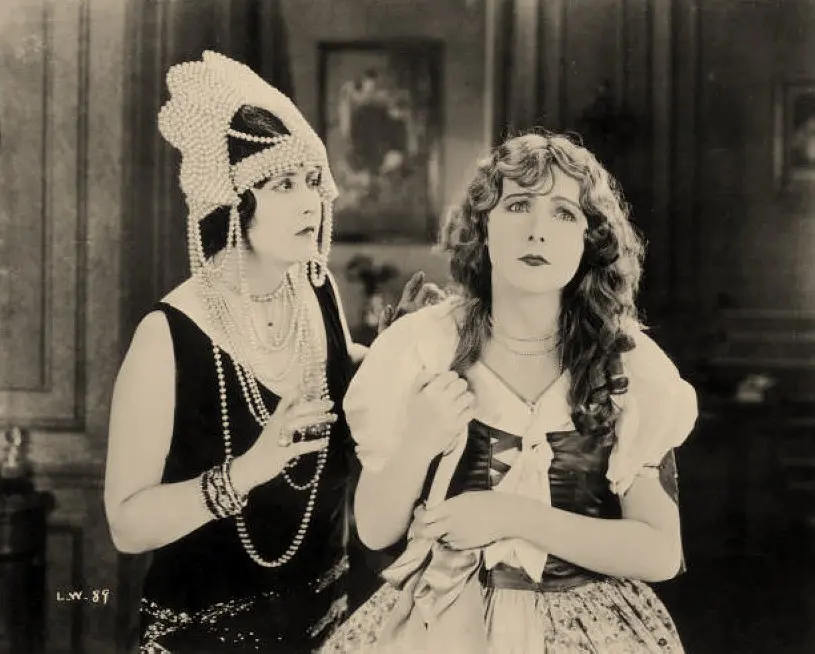
In Lying Wives, Ivan Abramson pushes the boundaries of conventional narrative. The film's unique approach to its subject matter has sparked endless debates and interpretations among cinephiles and critics alike.
| Cinematography | High-Contrast |
| Soundtrack | Diegetic |
| Editing | Rhythmic |
| Art Direction | Naturalist |
Visualizing the convergence of Ivan Abramson's style and the core Drama narrative.
Ted Stanhope, a middle-aged millionaire, represents himself to Margery Burkley, a beautiful young stenographer, as a friend of her father, who vanished when she was just an infant. When Wallace Graham marries Margery, Patricia Chase, who is in love with Wallace despite the fact that she is married, tries to break up the marriage by making Wallace suspicious of Stanhope's intentions. When a baby is born to Margery, Patricia leads Wallace to believe that Stanhope is the child's father. To further worsen matters between the Grahams, Patricia arranges for Wallace to be arrested for embezzlement. After he is released from jail, Wallace learns that Margery has visited Stanhope during the time of his incarceration and, overcome with jealous spite, he arranges to go away with the eager Patricia, who calmly packs and informs her husband that she is leaving him. Graham has a change of heart when he learns that Stanhope is, in reality, Margery's father, and that she visited him only to arrange for bail money. Margery and Graham are happily reunited; Patricia returns to her husband, but he orders her from the house.
Decades after its release, Lying Wives remains a vital piece of the cinematic puzzle. Its influence can be seen in countless modern works, solidifying Ivan Abramson's status as a master of the craft in United States and beyond.