
DbcultAccessing Vault...
Director's Spotlight
Senior Film Conservator
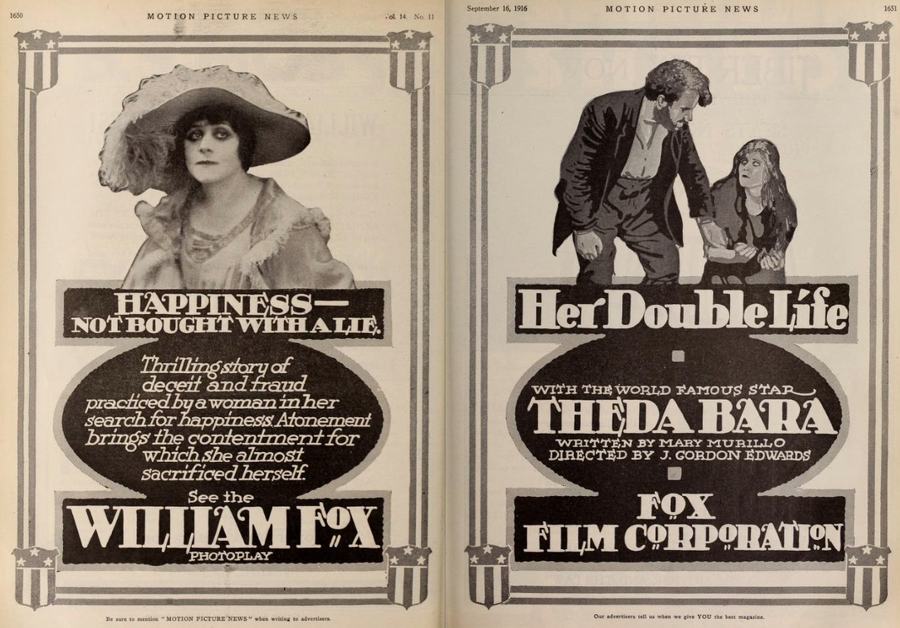
Director's Spotlight: United States
A Deep Dive into the 1916 Vision of J. Gordon Edwards
In the storied career of J. Gordon Edwards, Her Double Life stands as a the provocative questions that J. Gordon Edwards poses to the United States audience. Elevating the source material through J. Gordon Edwards's unique vision, it persists as a haunting reminder of our own cinematic history.
In Her Double Life, J. Gordon Edwards pushes the boundaries of conventional narrative. The film's unique approach to its subject matter has sparked endless debates and interpretations among cinephiles and critics alike.
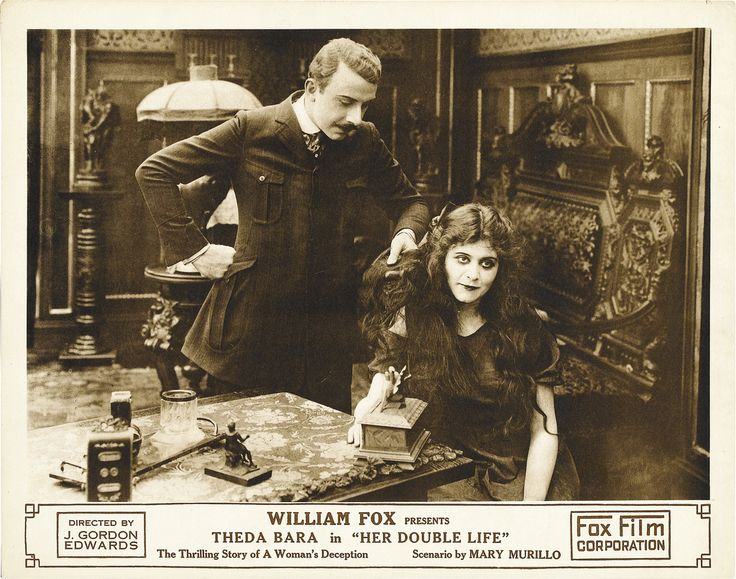
To fully appreciate Her Double Life, one must consider the cinematic climate of 1916. During this period, United States was undergoing significant artistic shifts, and J. Gordon Edwards was at the forefront of this cult movement, often challenging established norms.
| Cinematography | Handheld |
| Soundtrack | Minimalist |
| Editing | Slow-Burn |
| Art Direction | Brutalist |
Visualizing the convergence of J. Gordon Edwards's style and the core cult narrative.
Mary Doone (Theda Bara) lives in a tenement parish house run by Pastor Elliott Clifford (A. H. Van Buren). Mary joints the front as a nurse, and meets war correspondent Lloyd Stanley (Stuart Holmes), whom she had known from London. Stanley is about to take advantage of her when their hospital tent is bombed. Mary finds the body of a young girl in the tent. The young girl is Ethel Wardley (Madeleine Lee Nard), who is the niece of Lady Clifford (Lucia Moore), mother of Elliott Clifford. Mary assumes Ethel's identity and is received by Lady Clifford as her niece. Elliott falls in love with Mary. Stanley returns to London with Ethel, who has recovered from her wounds. Mary confesses what she has done, and despite Lady Clifford's pleas for her to stay, she returns to the parish house to work with children.
Decades after its release, Her Double Life remains a vital piece of the cinematic puzzle. Its influence can be seen in countless modern works, solidifying J. Gordon Edwards's status as a master of the craft in United States and beyond.