Summary
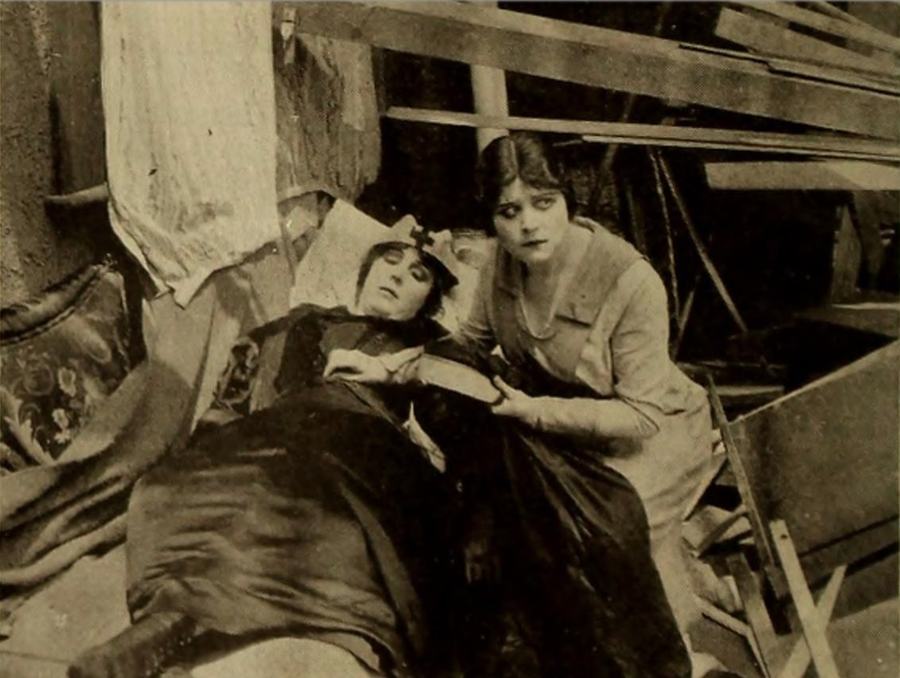
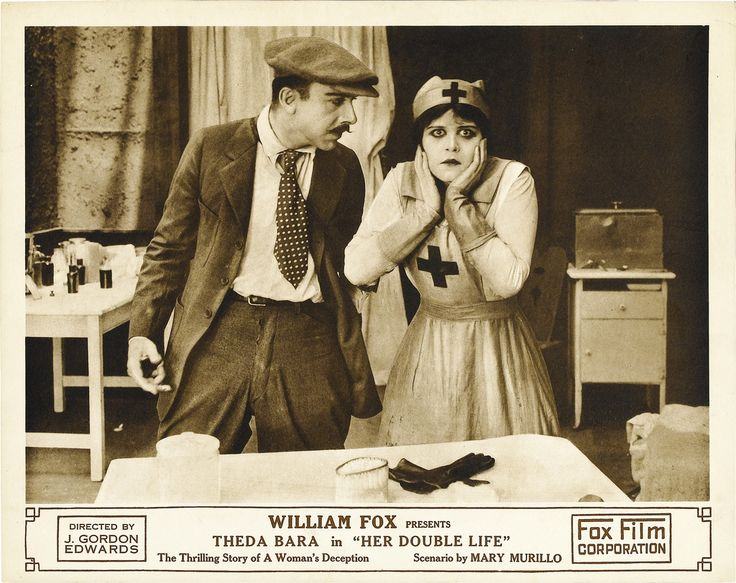
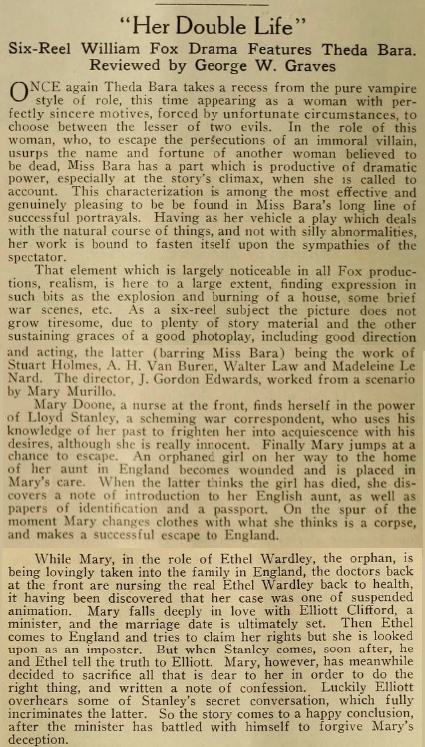
A soot-stained parish tenement, half-quarantined by war and half-illuminated by guttering gaslight, cradles Mary Doone—charity nurse, wraith among the poor, and keeper of a thousand unspoken histories. When a makeshift field hospital is obliterated by a wayward shell, she emerges from the smoke cradling the corpse of Ethel Wardley, an aristocrat’s niece whose features mirror her own. In the scalding silence that follows, Mary sheds the skin of the dispossessed, steps into the dead girl’s monogrammed traveling coat, and boards a northbound train toward a baronial estate where chandeliers drip like stalactites and every mirror is a tribunal. There Lady Clifford—matriarch, philanthropist, and secret anatomist of social façades—receives the impostor with trembling relief, while her pastor-son Elliott, drunk on scripture and thawing desire, finds in Mary a resurrection of both faith and flesh. Yet the masquerade’s seams fray when Lloyd Stanley—the war correspondent who once hunted headlines and women with equal rapacity—returns from the front escorting the very girl whose name Mary has usurped, bandaged but breathing. The drawing-room becomes a gladiatorial arena of glances; every teacup clink is a thrown gauntlet. Finally, stripped of lace and lies, Mary strides back through the wrought-iron gates, not in defeat but in reclamation, choosing the clamor of orphanage corridors over the hush of inherited halls.
Synopsis
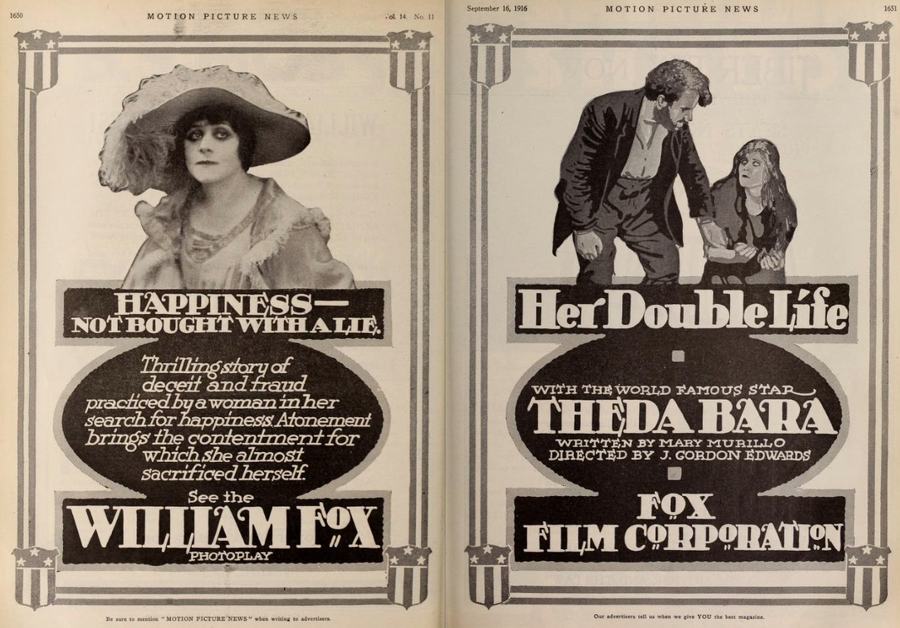
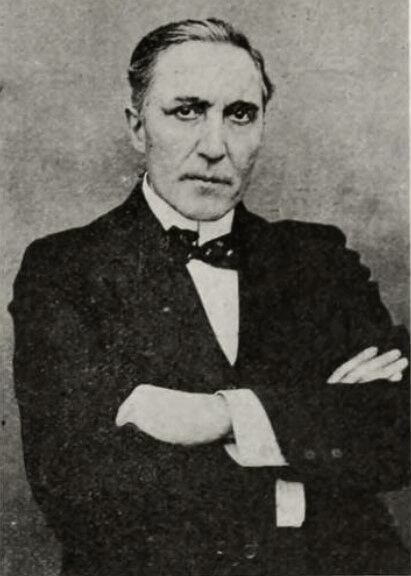
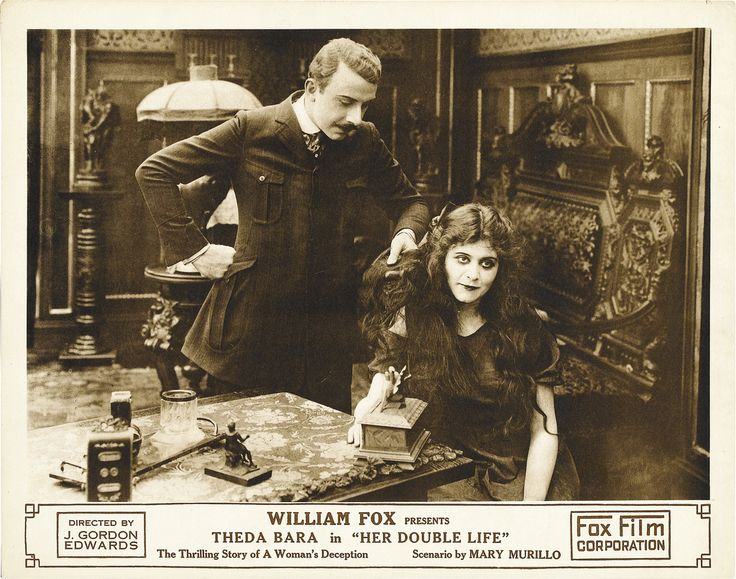
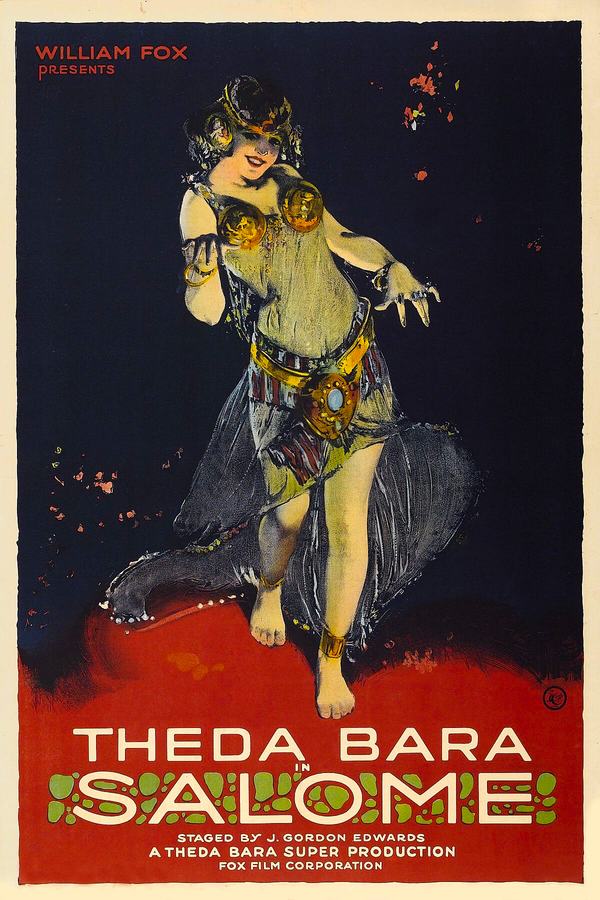
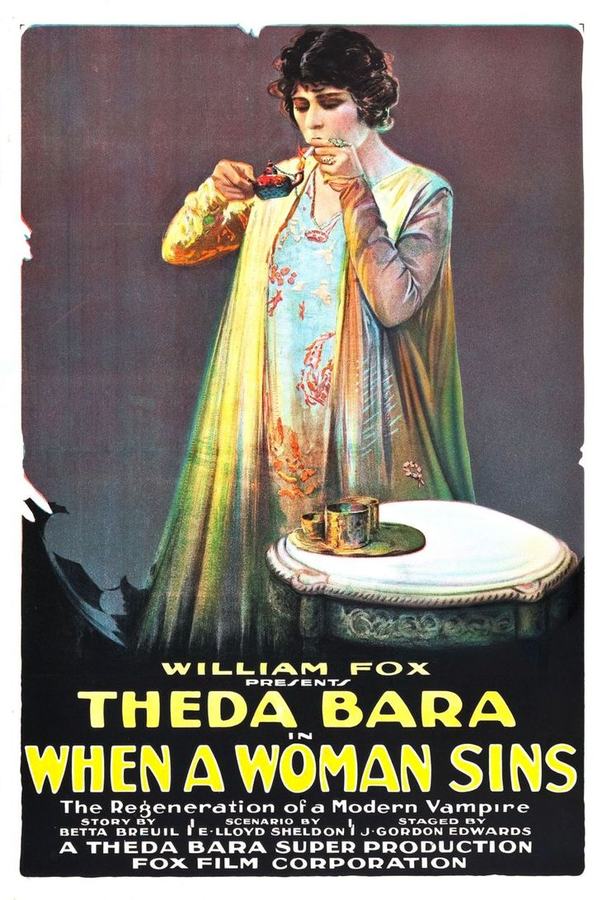
Mary Doone (Theda Bara) lives in a tenement parish house run by Pastor Elliott Clifford (A. H. Van Buren). Mary joints the front as a nurse, and meets war correspondent Lloyd Stanley (Stuart Holmes), whom she had known from London. Stanley is about to take advantage of her when their hospital tent is bombed. Mary finds the body of a young girl in the tent. The young girl is Ethel Wardley (Madeleine Lee Nard), who is the niece of Lady Clifford (Lucia Moore), mother of Elliott Clifford. Mary assumes Ethel's identity and is received by Lady Clifford as her niece. Elliott falls in love with Mary. Stanley returns to London with Ethel, who has recovered from her wounds. Mary confesses what she has done, and despite Lady Clifford's pleas for her to stay, she returns to the parish house to work with children.
Review Excerpt
"
A nitrate print smolders in the vaults of forgotten nitrocellulose dreams, and from its curling edges Her Double Life rises like phosphorescent smoke—equal parts morality play and proto-feminist grenade. The film’s very title is a dare: watch us fracture the female self and reassemble it with shrapnel. Theda Bara, poster-child of the vamp archetype, here trades kohl-lined seduction for a chiaroscuro of guilt and self-authorship, proving that 1916 already suspected identity was drag long before..."