
DbcultAccessing Vault...
Director's Spotlight
Senior Film Conservator
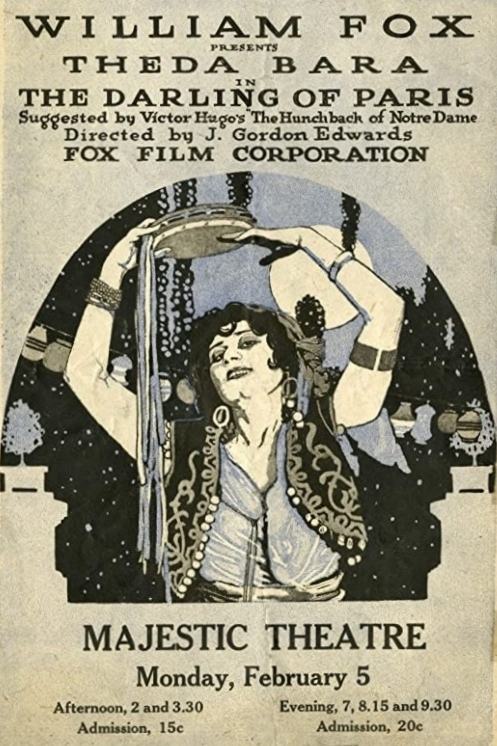
Director's Spotlight: United States
A Deep Dive into the 1917 Vision of J. Gordon Edwards
The 1917 release of The Darling of Paris marked a significant moment for the enduring legacy of J. Gordon Edwards's artistic contribution to the genre. By challenging the status quo of 1917 cinema, it has cemented its place in the global cult cinema archive.
In The Darling of Paris, J. Gordon Edwards pushes the boundaries of conventional narrative. The film's unique approach to its subject matter has sparked endless debates and interpretations among cinephiles and critics alike.
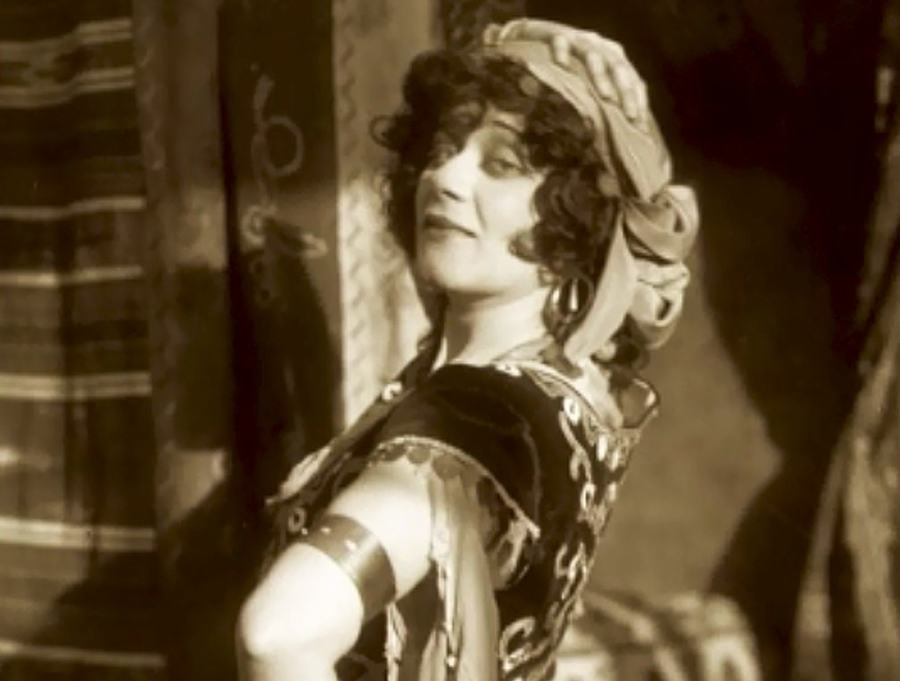
The visual language of The Darling of Paris is defined by its use of shadows and framing, a hallmark of J. Gordon Edwards's style. By utilizing a 1917-era palette, the film creates an immersive experience that perfectly complements its cult themes.
| Cinematography | Static |
| Soundtrack | Diegetic |
| Editing | Rhythmic |
| Art Direction | Naturalist |
Visualizing the convergence of J. Gordon Edwards's style and the core cult narrative.
A gypsy girl with her foster-mother arrive in the French Capital where her beauty attracts the attention of the Apaches, and she becomes a member of their band. Her beauty attracts Claude Frallo, a scientist of note. She repulses him, as she has already fallen in love with Captain Phoebus. During a visit of the gypsy girl in the apartment of the handsome captain, Frallo kills the captain and makes his escape. Upon the arrival of the Gendarmes, Esmaralda is placed under arrest charged with the murder. Esmaralda is subjected to torture to make her confess, but is defiant, knowing that she is innocent. The bell ringer of the cathedral, Quasimodo, who secretly worships the Gypsy girl, becomes her protector. When Frallo visits the prisoner the bell ringer interferes. There is a struggle and the former is hurled from a parapet and killed. Again the girl appears before the tribunal. Put on the rack, she admits the murder of the captain. Just as Esmaralda is to be guillotined, the bell ringer gives the true version of the murder, implicating Frallo whom he killed. Quasimodo, the plucky bell ringer, who was Esmaralda's protector, and her liberator, becomes her husband.
Decades after its release, The Darling of Paris remains a vital piece of the cinematic puzzle. Its influence can be seen in countless modern works, solidifying J. Gordon Edwards's status as a master of the craft in United States and beyond.