Summary
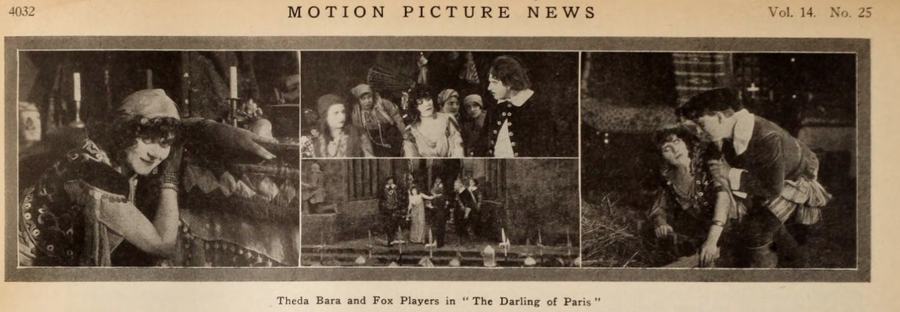
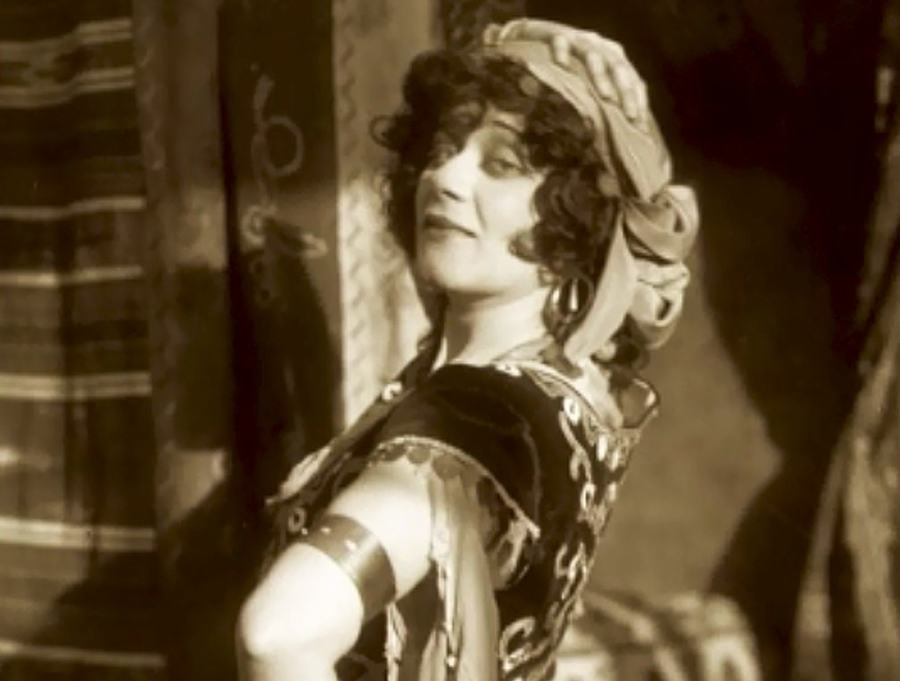
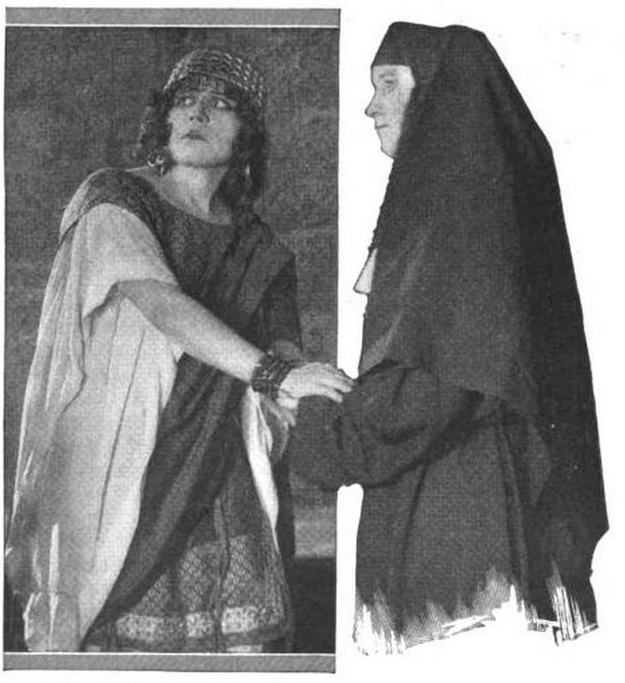
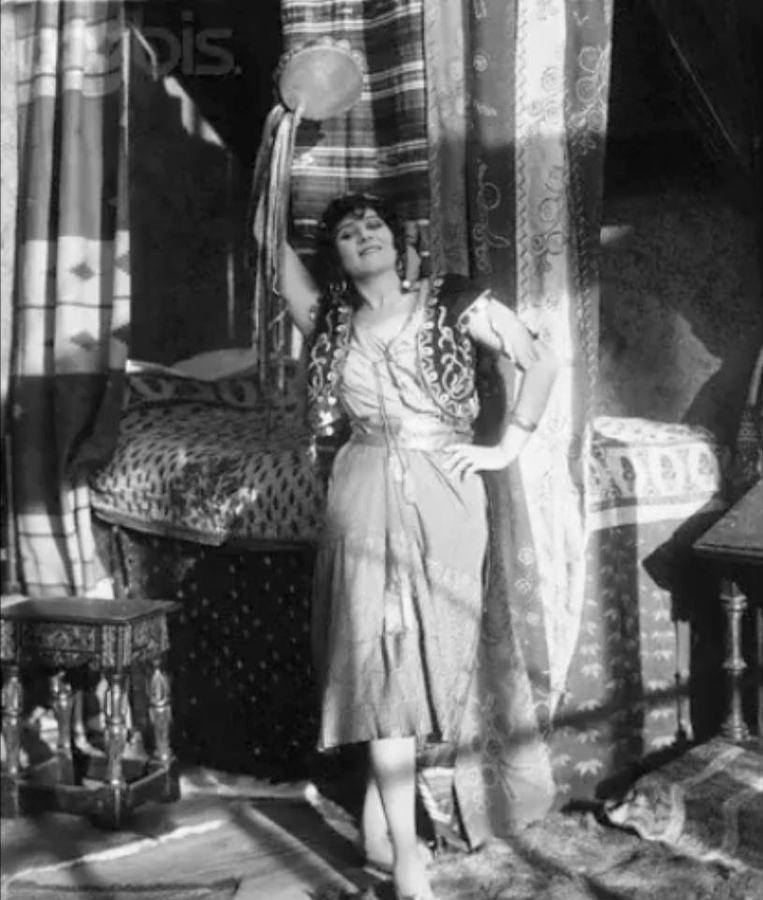
A caravan of wind-battered wagons creaks through the autumn-drizzled gates of Belle Époque Paris, bearing a copper-skinned orphan whose coin-bright eyes already reflect the gallows that will one day frame her silhouette. The city swallows the child and her weather-scarred foster-mother whole, its gaslit boulevards pulsing like arteries in the throat of some mythic beast. Within hours the girl’s kaleidoscopic shawl, tinkling anklets, and unruly midnight hair become the obsession of the Apaches—those velvet-jacketed street princes who rule the catacombs by night and the balconies by day—so she trades her freedom for the intoxicating percussion of knives, accordions, and outlaw adoration. Yet her scent—jasmine, horse sweat, and gunpowder—also drifts into the laboratory of Claude Frallo, a celebrated chemist whose mind is a cathedral of retorts and crucibles but whose heart is a damp crypt of loneliness. His ardor ricochets off her indifference; her pulse already syncs to the brass buttons of Captain Phoebus, a cavalry demigod whose moustache promises empire and whose uniform smells of polished thunder. One violet dusk she twirls through the captain’s lamplit apartment, laughter scattering like gold coins across Persian rugs, while across the courtyard Frallo’s pupils dilate until the iris nearly vanishes. A scalpel-sharp dagger slips between ribs; scarlet blooms on white linen like poppies in a wheat field; the scientist flees, leaving the girl clutching a corpse and destiny. Gendarmes drag her to the Conciergerie where torches hiss and chains clank the prelude to agony. On the rack her body arches like a bow, but no confession escapes—only a song half-remembered from Romani campfires. In the belfry of Notre-Dame, Quasimodo—hunchbacked poet of iron and bronze—hears her voice braided with the cathedral’s twelve bells, and his soul, long folded like crippled wings, unfurls. He swings down gargoyle-guttered walls, a gothic comet, to cradle her shame and innocence alike. When Frallo sneaks into the dungeon to savor his triumph, the bell-ringer erupts: two shadows grapple, candlelight shivers, and the scientist plummets from a parapet, scream dissolving into starlight. Still, parchment law craves a throat for its blade. On the stone stage of public execution Esmeralda’s wrists are bound, her dark braid laid forward like a sacrificial serpent. The crowd inhales. Quasimodo vaults the scaffold, voice cracked yet thunderous, recasting the narrative with the dead man’s guilt. Mobs gasp, blades retreat, drums falter. The gypsy breathes again. In the epilogue, wedding bells—not death knells—sway above the Seine; the hunchback carries his bride across the threshold of a bell-tower apartment where gargoyles blush at their kiss. Paris, ever hungry, moves on to the next spectacle, but for once love has rewritten the chronicle carved in cobblestones.
Synopsis
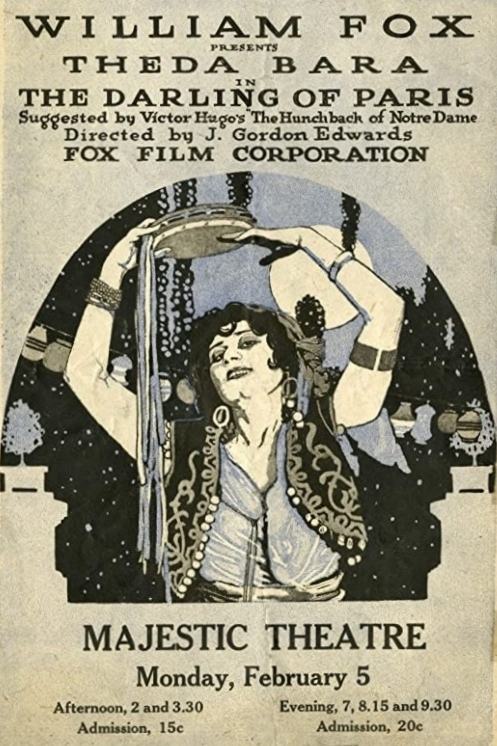
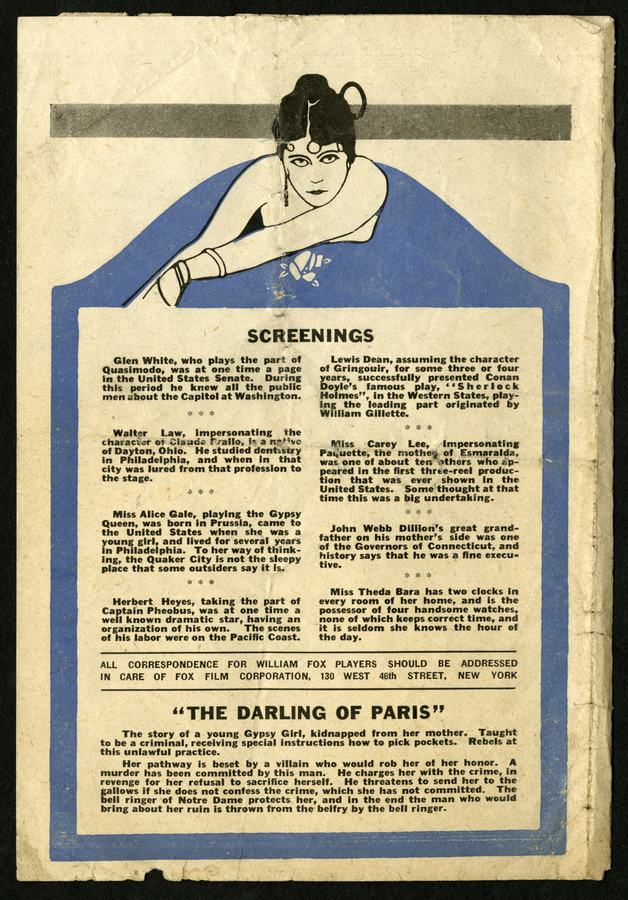
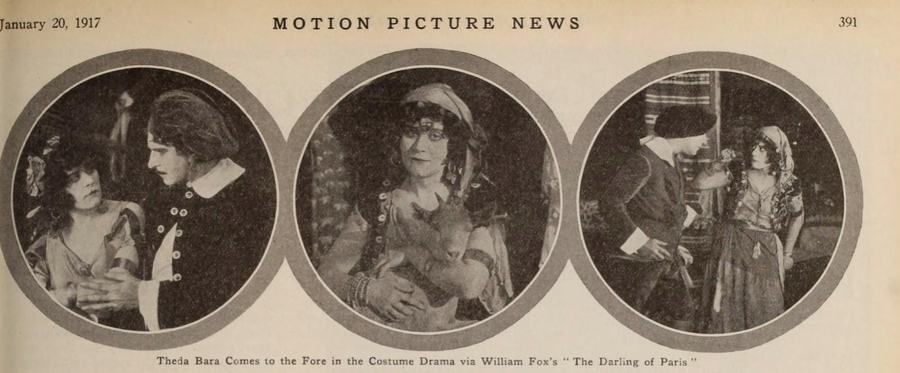
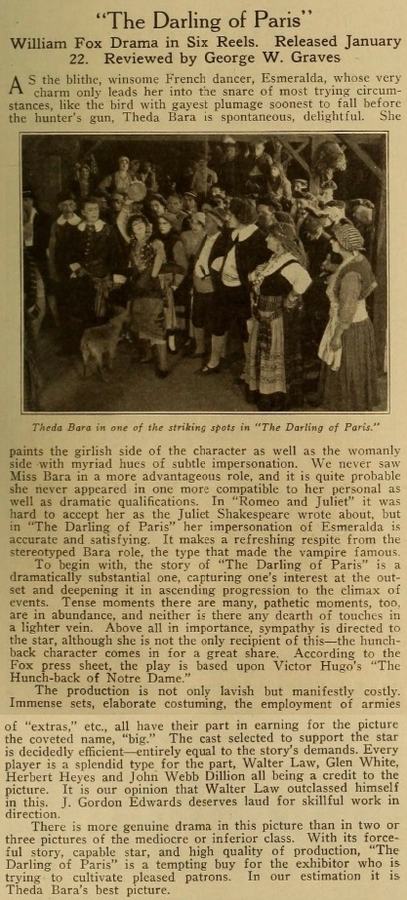
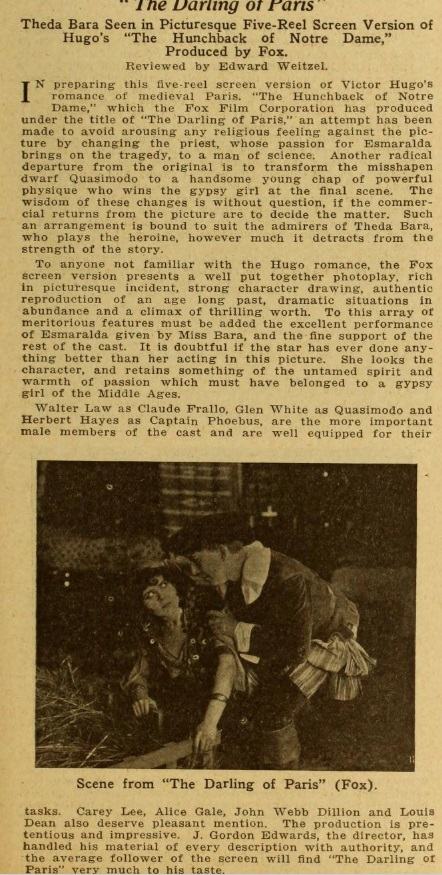
A gypsy girl with her foster-mother arrive in the French Capital where her beauty attracts the attention of the Apaches, and she becomes a member of their band. Her beauty attracts Claude Frallo, a scientist of note. She repulses him, as she has already fallen in love with Captain Phoebus. During a visit of the gypsy girl in the apartment of the handsome captain, Frallo kills the captain and makes his escape. Upon the arrival of the Gendarmes, Esmaralda is placed under arrest charged with the murder. Esmaralda is subjected to torture to make her confess, but is defiant, knowing that she is innocent. The bell ringer of the cathedral, Quasimodo, who secretly worships the Gypsy girl, becomes her protector. When Frallo visits the prisoner the bell ringer interferes. There is a struggle and the former is hurled from a parapet and killed. Again the girl appears before the tribunal. Put on the rack, she admits the murder of the captain. Just as Esmaralda is to be guillotined, the bell ringer gives the true version of the murder, implicating Frallo whom he killed. Quasimodo, the plucky bell ringer, who was Esmaralda's protector, and her liberator, becomes her husband.
Review Excerpt
"
p,ul,blockquote{margin-bottom:1.1em}
a{color:#0E7490;text-decoration:underline}
a:hover{color:#EAB308}
h2{color:#C2410C;font-size:1.4em;margin-top:1.8em;border-left:4px solid #EAB308;padding-left:0.6em}
strong{color:#EAB308}
.highlight{color:#0E7490;font-weight:600}
Picture a Paris where shadows still stink of tallow and the moon drips like molten pewter down slate mansards—this is the world Adrian Johnson wrests from Victor Hugo’s marrow and transplants onto nitrate stock in 1917. The resul..."