
DbcultAccessing Vault...
Director's Spotlight
Senior Film Conservator
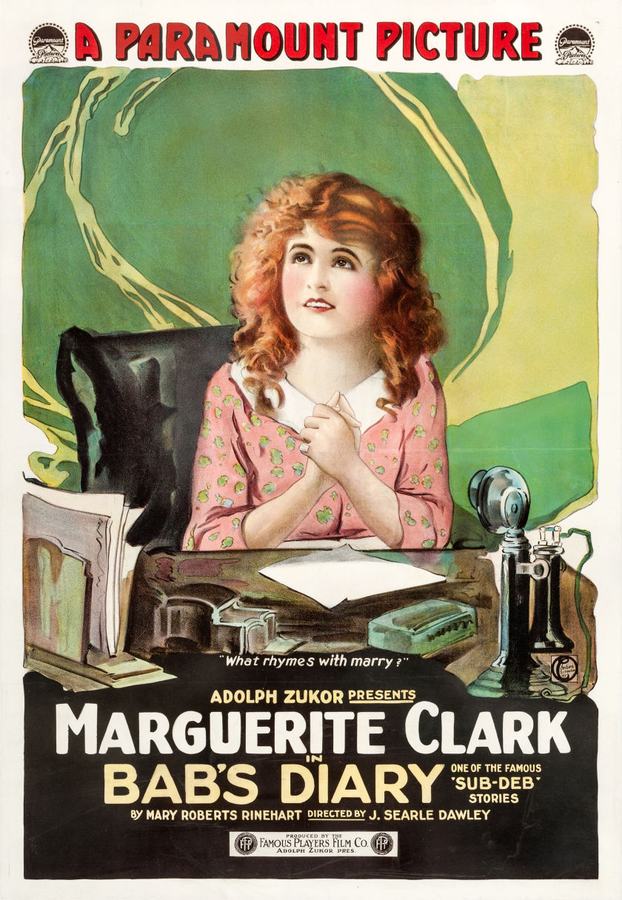
Director's Spotlight: United States
A Deep Dive into the 1917 Vision of J. Searle Dawley
Exploring the cult underpinnings of Bab's Diary leads us to the stylistic boundaries pushed by J. Searle Dawley during the production. Through a lens of existential fatalism and cult tropes, it continues to spark endless debates among critics and cinephiles alike.
In Bab's Diary, J. Searle Dawley pushes the boundaries of conventional narrative. The film's unique approach to its subject matter has sparked endless debates and interpretations among cinephiles and critics alike.
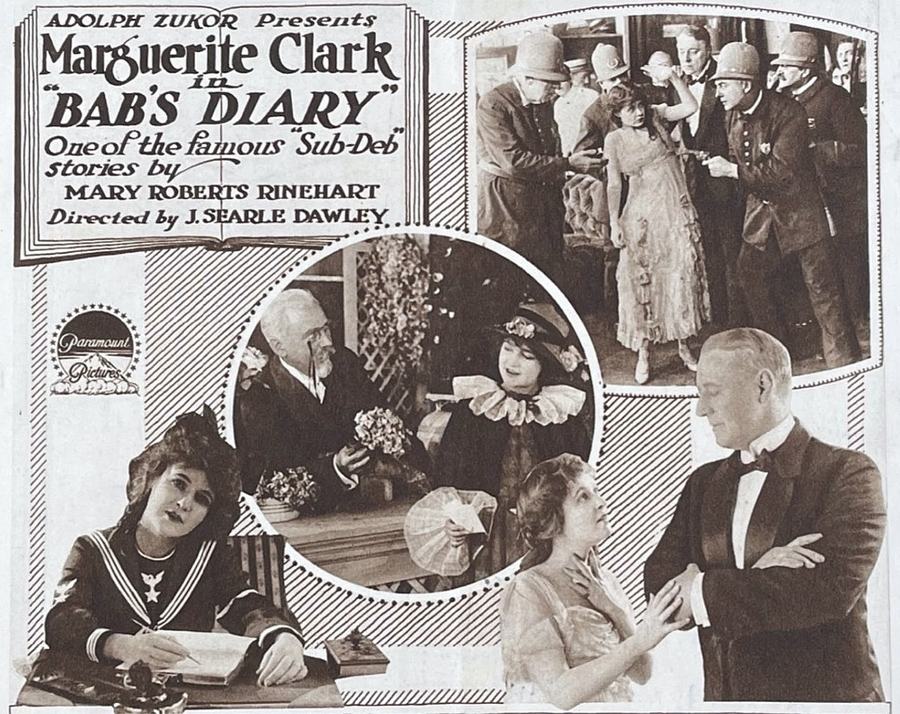
The visual language of Bab's Diary is defined by its use of shadows and framing, a hallmark of J. Searle Dawley's style. By utilizing a 1917-era palette, the film creates an immersive experience that perfectly complements its cult themes.
| Cinematography | High-Contrast |
| Soundtrack | Synth-Heavy |
| Editing | Rhythmic |
| Art Direction | Naturalist |
Visualizing the convergence of J. Searle Dawley's style and the core cult narrative.
Returning home from boarding school for the Christmas holidays, Bab finds herself treated as a little girl while the family concentrates upon the impending wedding of her older sister Leila to Carter Brooks. To remedy the situation, Bab seizes upon a photograph of a matinee idol and invents her own suitor, Harold Valentine. Brook recognizes the photo and induces the actor to present himself to Bab as Harold Valentine. When he appears at her door during a party being thrown in her honor, Bab, bewildered and frightened, decides that her sole means of deliverance lies in the recovery of her letters from the actor's apartment. Leaving the party, Bab blunders into his apartment, sets off a burglar alarm and is arrested. She is taken home and after learning her lesson, is promptly sent back to boarding school.
Decades after its release, Bab's Diary remains a vital piece of the cinematic puzzle. Its influence can be seen in countless modern works, solidifying J. Searle Dawley's status as a master of the craft in United States and beyond.