
DbcultAccessing Vault...
Director's Spotlight
Senior Film Conservator
Director's Spotlight: United States
A Deep Dive into the 1920 Vision of J. Stuart Blackton
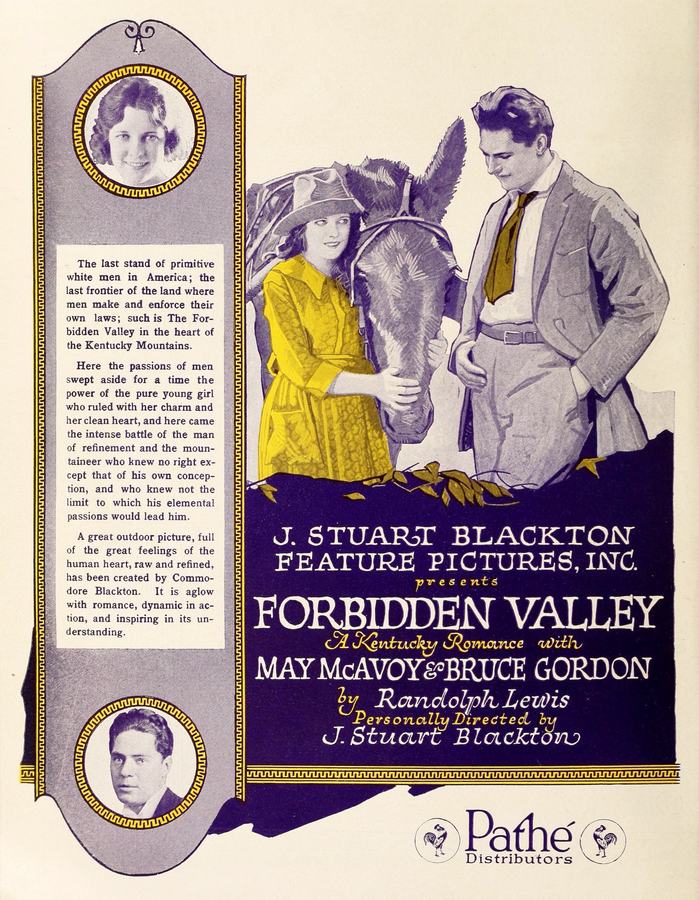
The thematic gravity of The Forbidden Valley (1920) is rooted in the artistic risks taken by J. Stuart Blackton that eventually paid off. Defining a new era of United States artistic expression, it demands to be seen by anyone who cares about the art of film.
In The Forbidden Valley, J. Stuart Blackton pushes the boundaries of conventional narrative. The film's unique approach to its subject matter has sparked endless debates and interpretations among cinephiles and critics alike.
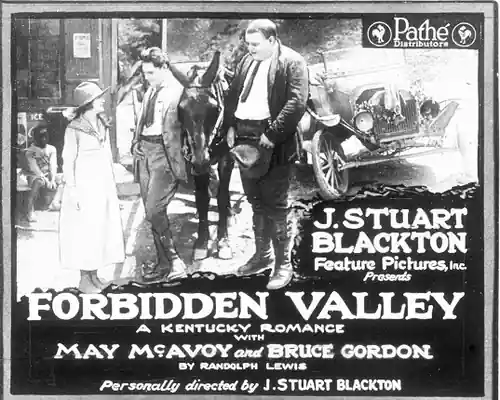
To fully appreciate The Forbidden Valley, one must consider the cinematic climate of 1920. During this period, United States was undergoing significant artistic shifts, and J. Stuart Blackton was at the forefront of this Drama movement, often challenging established norms.
| Cinematography | High-Contrast |
| Soundtrack | Minimalist |
| Editing | Slow-Burn |
| Art Direction | Brutalist |
Visualizing the convergence of J. Stuart Blackton's style and the core Drama narrative.
A feud has been raging between the Lee and Mitchell families, in the forbidden valley of the Kentucky hills. The lone survivors are Ben Lee, his granddaughter Morning Glory and a young Mitchell boy who is given refuge by minister Dominie Jones. Fifteen years pass and Jack Winslow, a surveyor, comes to the valley and falls in love with Morning Glory. Their romance is opposed by Dave, a young half-wit who also loves Morning Glory and, out of jealousy, makes several attempts on Jack's life. When Jack is suspected of being the last surviving Mitchell, Morning Glory, acting in accordance with her family code of honor, shoots and wounds him. Soon after, Jones reappears and explains that Dave is the real Mitchell heir, thus clearing the path for Jack and Morning Glory's reconciliation.
Decades after its release, The Forbidden Valley remains a vital piece of the cinematic puzzle. Its influence can be seen in countless modern works, solidifying J. Stuart Blackton's status as a master of the craft in United States and beyond.