
DbcultAccessing Vault...
Director's Spotlight
Senior Film Conservator
Director's Spotlight: United States
A Deep Dive into the 1925 Vision of J.A. Howe
The evocative power of The Royal Four-Flush stems from the unique collaboration between the subversive storytelling techniques employed by J.A. Howe in 1925. Synthesizing the best elements of United States and international cinema, it reminds us of the fragility and beauty of the 1925s.
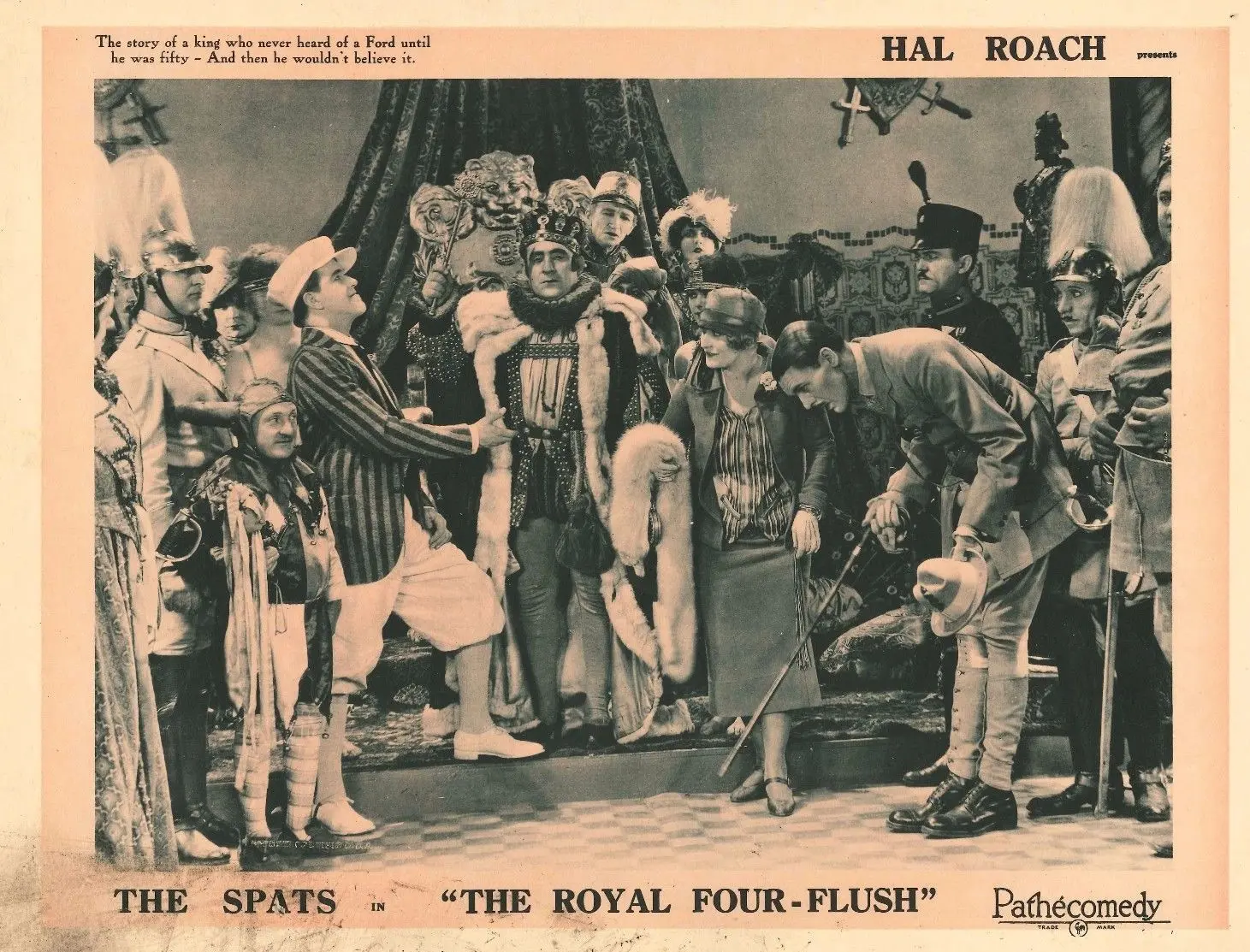
In The Royal Four-Flush, J.A. Howe pushes the boundaries of conventional narrative. The film's unique approach to its subject matter has sparked endless debates and interpretations among cinephiles and critics alike.
| Cinematography | Handheld |
| Soundtrack | Experimental |
| Editing | Elliptical |
| Art Direction | Expressionist |
Visualizing the convergence of J.A. Howe's style and the core Comedy narrative.
The Spats are seen in a mythical kingdom, where they strive to win the favor of the king by assembling a "Ford" shipped in parts to his majesty, who is curious and somewhat fearful of the "case received from Detroit." When they get the car together Tewksbury attempts to drive it and there is more havoc. It ends by their being driven out to sea, where even the U. S. warship refuses to take them in and the last seen of the "Spats" they are following their anchor to the depths.
Decades after its release, The Royal Four-Flush remains a vital piece of the cinematic puzzle. Its influence can be seen in countless modern works, solidifying J.A. Howe's status as a master of the craft in United States and beyond.