
DbcultAccessing Vault...
Director's Spotlight
Senior Film Conservator
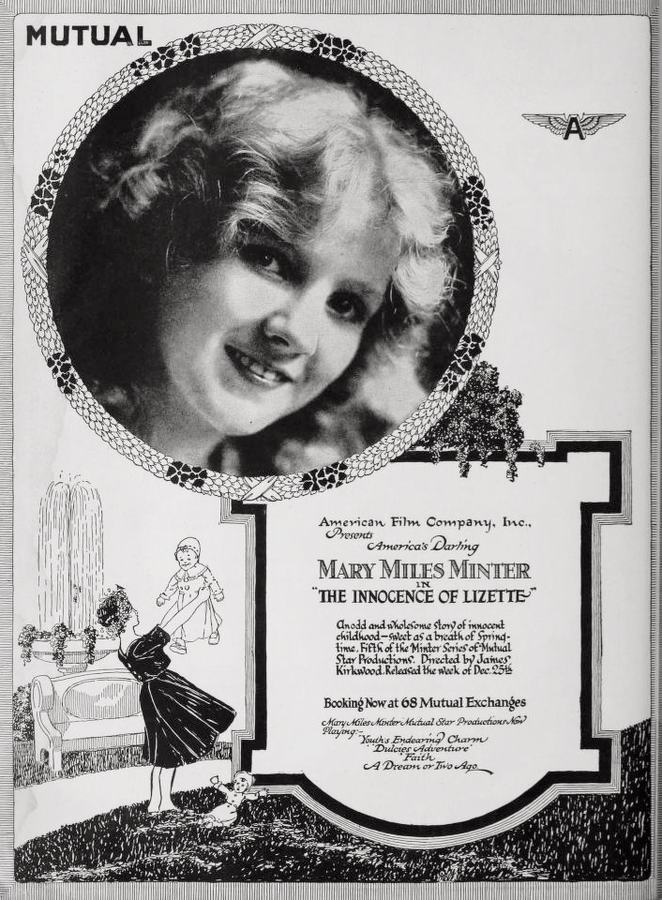
Director's Spotlight: United States
A Deep Dive into the 1916 Vision of James Kirkwood
Deciphering the layers of The Innocence of Lizette (1916) reveals the complex thematic architecture established by James Kirkwood. Utilizing a 1916-specific aesthetic that remains timeless, it stands as the definitive 1916 statement on cult identity.
In The Innocence of Lizette, James Kirkwood pushes the boundaries of conventional narrative. The film's unique approach to its subject matter has sparked endless debates and interpretations among cinephiles and critics alike.
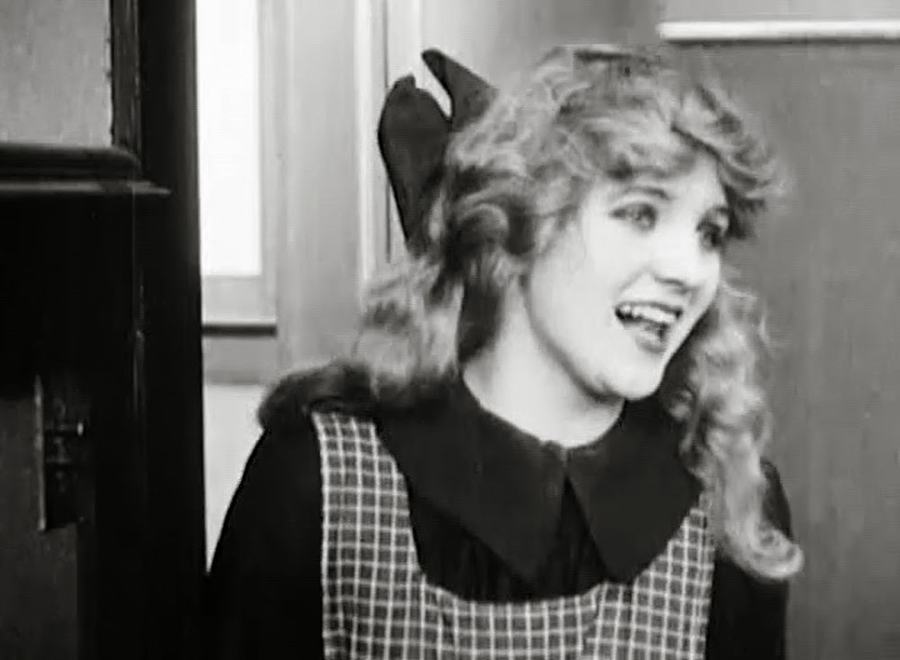
The visual language of The Innocence of Lizette is defined by its use of shadows and framing, a hallmark of James Kirkwood's style. By utilizing a 1916-era palette, the film creates an immersive experience that perfectly complements its cult themes.
| Cinematography | Noir-Inspired |
| Soundtrack | Experimental |
| Editing | Elliptical |
| Art Direction | Expressionist |
Visualizing the convergence of James Kirkwood's style and the core cult narrative.
Ashby Leene, once a famous actor, but now poverty stricken, dies, leaving his grandchild, Lizette, in the care of Granny Page, his landlady. Lizette's new home is one of kindliness and she becomes a friend of Paul, Granny's young nephew, who runs a newsstand. Remembering her promise, Granny spends a good deal of time at the newsstand when Paul is away on deliveries. She resents Dan Nye's attention to Lizette. One day Lizette sells a paper to Henry Faure, an elderly millionaire, who is attracted to the bright-faced girl. Faure has been mentally depressed since the death of his wife and little girl. Longing for someone to love, Faure offers to adopt Lizette as his own daughter. Though Paul and Granny are heartbroken, they consent. For a time Lizette is happy in her new home. While Faure is away on business, Lizette visits her old friends. Faure unexpectedly returns. To his dismay Lizette begs that he let her stay a while longer with Granny. He reluctantly consents. His old depression returns. The housekeeper finally writes Lizette, begging her to return for Faure's sake. Lizette finds an abandoned infant on the doorstep upon her return. She is overjoyed. She is admitted by the butler, who is aghast to see that she has returned with a baby. When questioned, she tells them that she is the baby's mother, etc. Faure asks her about the child's father. Lizette innocently answers that she don't know. She realizes in a vague way that babies have fathers and, seeing that everyone is greatly upset, she decides that if the baby must have a father she will give Dan Nye the honor of naming him. Faure loves her so much that he cannot find it in his heart to denounce her. Nor can the kind old housekeeper, who is highly amused at Lizette's lack of knowledge about babies. Dan Nye is amazed when Faure calls to see him and charges him with being the father of Lizette's baby. He conceals his astonishment, quick to realize that he has an unusual opportunity for blackmail in the affair. When Faure declares he must marry Lizette for the sake of her good name, Nye admits he is the baby's father, but refuses to marry the girl unless Faure pays him an exorbitant sum. Faure agrees to this, upon the condition that he accompany him and marry Lizette at once. The young woman who abandoned the child calls to reclaim it, but Lizette is unwilling to give it up. But she is finally induced to give it back to the rightful mother. Nye is thrown out of the house, and Paul, who has long cherished a love for Lizette, is made happy by her acceptance of him.
Decades after its release, The Innocence of Lizette remains a vital piece of the cinematic puzzle. Its influence can be seen in countless modern works, solidifying James Kirkwood's status as a master of the craft in United States and beyond.