
DbcultAccessing Vault...
Director's Spotlight
Senior Film Conservator
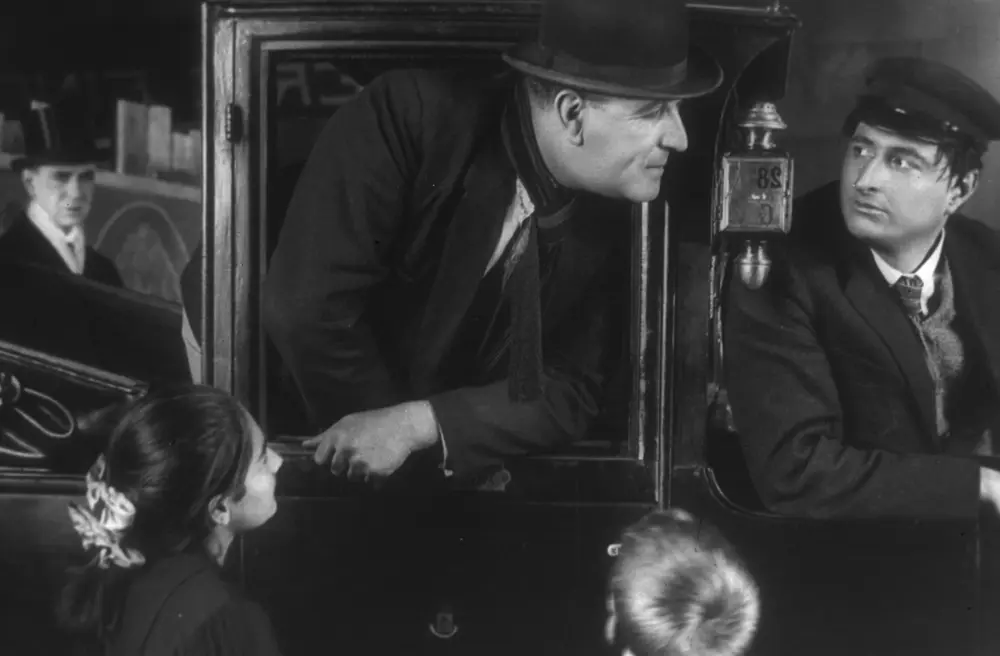
Director's Spotlight: France
A Deep Dive into the 1927 Vision of Jean Renoir
Analyzing Marquitta (1927) requires a deep dive into the unique directorial voice that Jean Renoir brought to the screen. By challenging the status quo of 1927 cinema, it continues to spark endless debates among critics and cinephiles alike.
In Marquitta, Jean Renoir pushes the boundaries of conventional narrative. The film's unique approach to its subject matter has sparked endless debates and interpretations among cinephiles and critics alike.
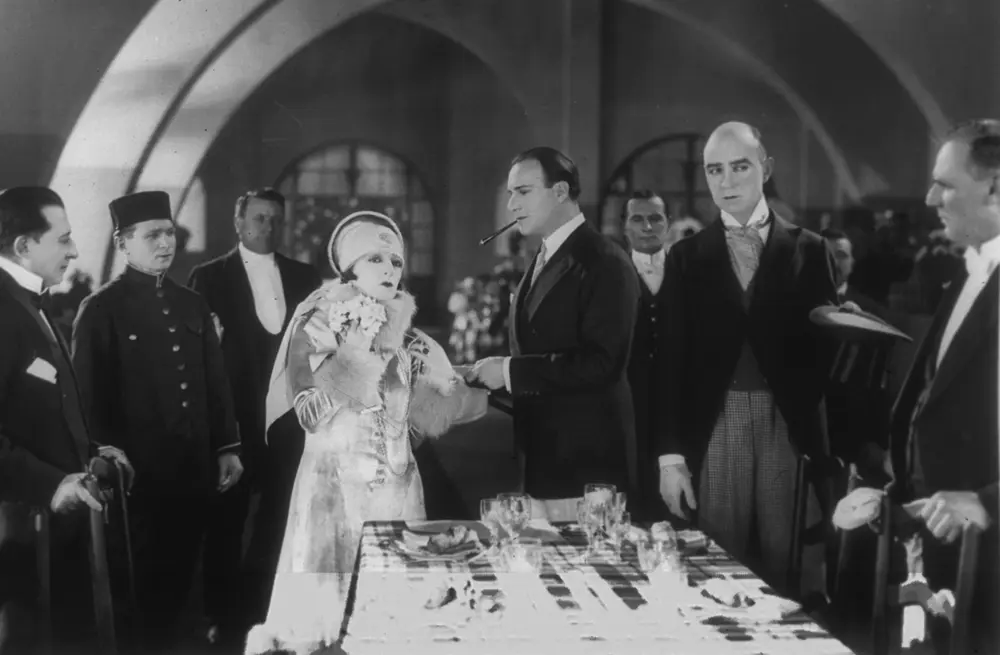
In this work, Jean Renoir explores the intersection of Drama and France cultural identity. The meticulous attention to detail suggests a deep-seated commitment to pushing the boundaries of the medium, ensuring that Marquitta remains a relevant topic of study for Drama enthusiasts.
| Cinematography | Handheld |
| Soundtrack | Orchestral |
| Editing | Invisible |
| Art Direction | Kitsch |
Visualizing the convergence of Jean Renoir's style and the core Drama narrative.
Street singer Marquitta is Prince Vlasco's mistress. He overlooks her humble origins until an expensive jewelry disappears and she gets blamed. He throws her out. Some time later, Vlasco looses his throne and becomes a beggar. Marquitta finds him, helps him and triggers another fit of anger when she gives him the jewel back. She leaves him, but cannot stay mad at him long and rescues him from an attempted suicide and reveals the thief is actually her father.
Decades after its release, Marquitta remains a vital piece of the cinematic puzzle. Its influence can be seen in countless modern works, solidifying Jean Renoir's status as a master of the craft in France and beyond.