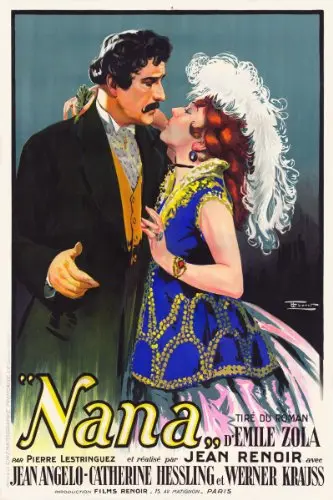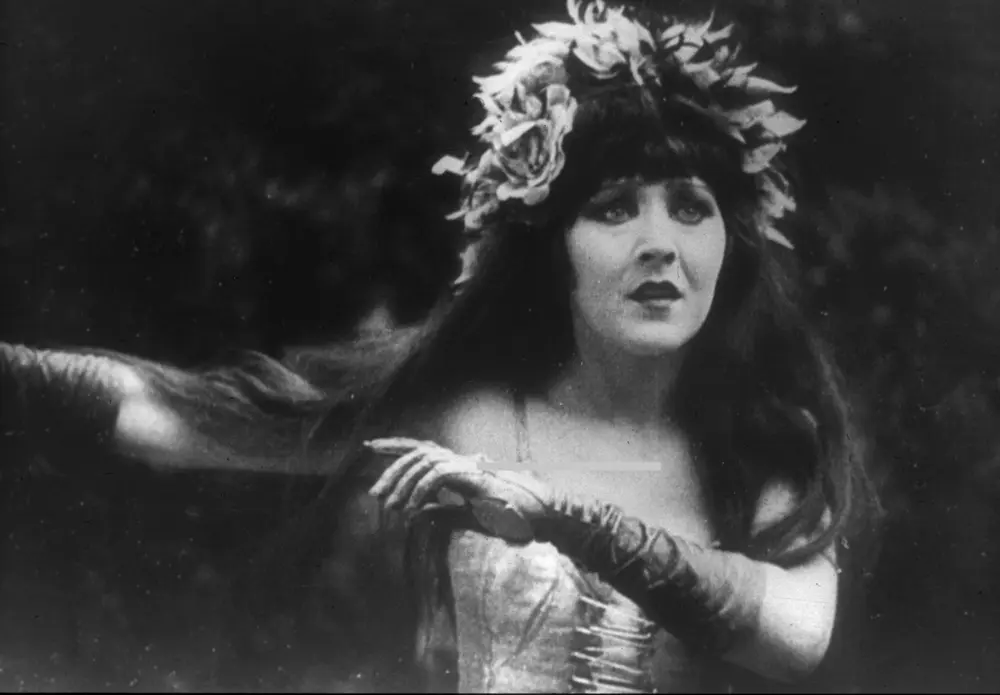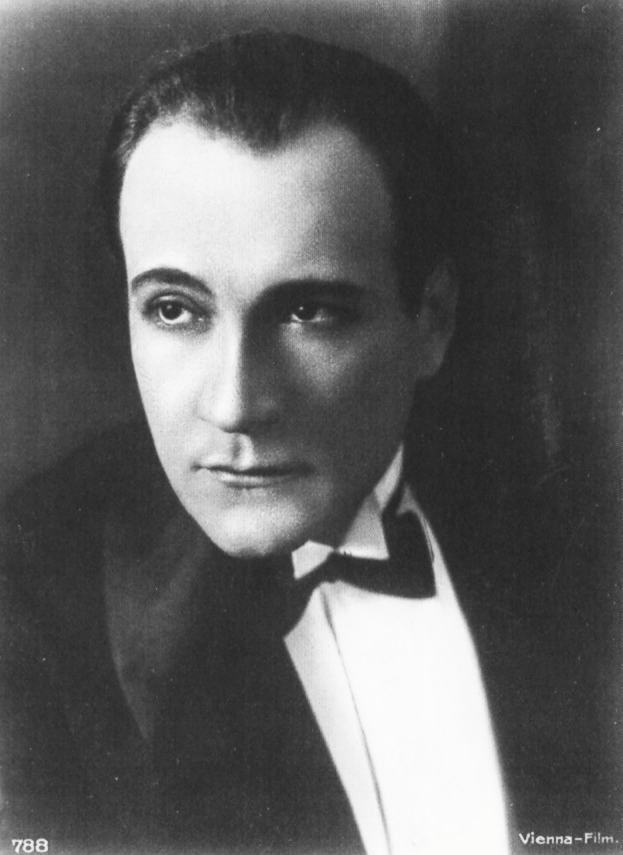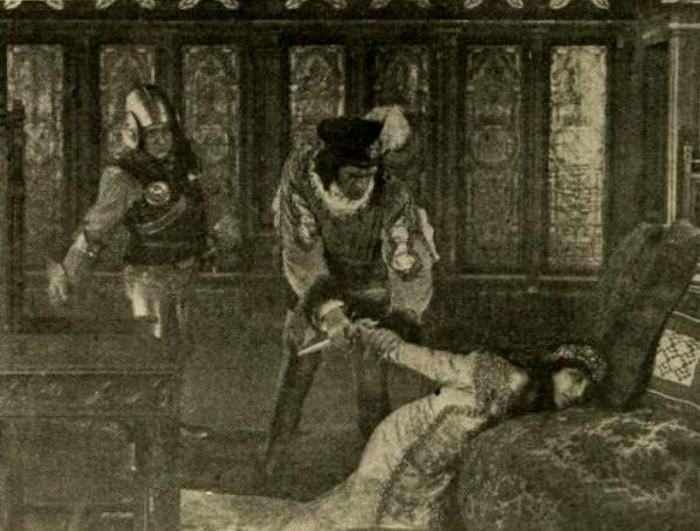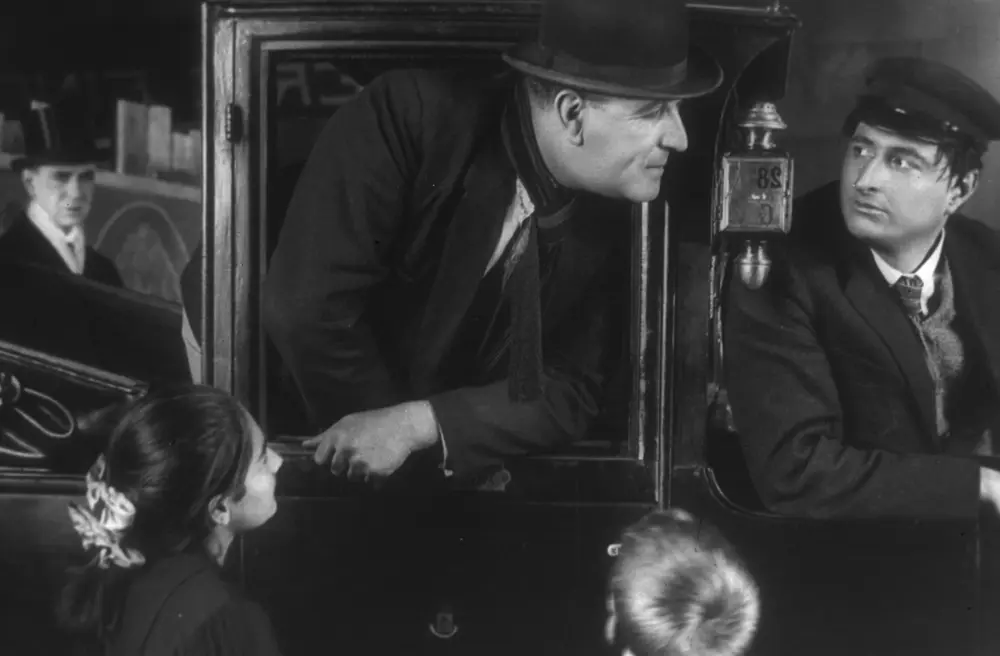
Street singer Marquitta is Prince Vlasco's mistress. He overlooks her humble origins until an expensive jewelry disappears and she gets blamed.
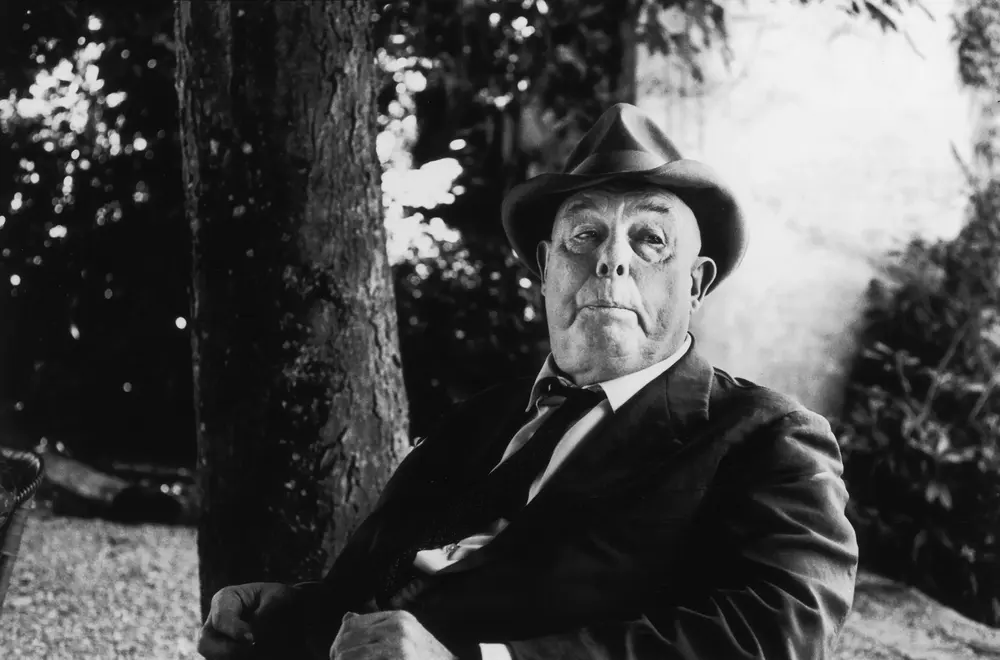
Is Marquitta a lost classic or a dusty curiosity for the cinematic obsessed? Short answer: it is a vital, if occasionally clumsy, stepping stone for anyone who wants to understand the evolution of Jean Renoir.This film is for the historian, the Renoir completionist, and the lover of silent-era melodrama who appreciates...
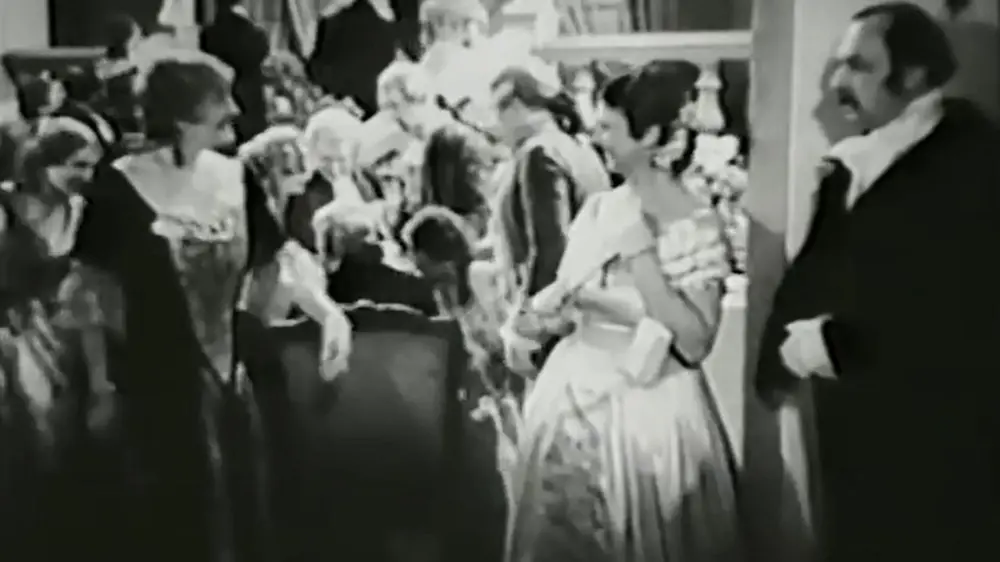
still_frame
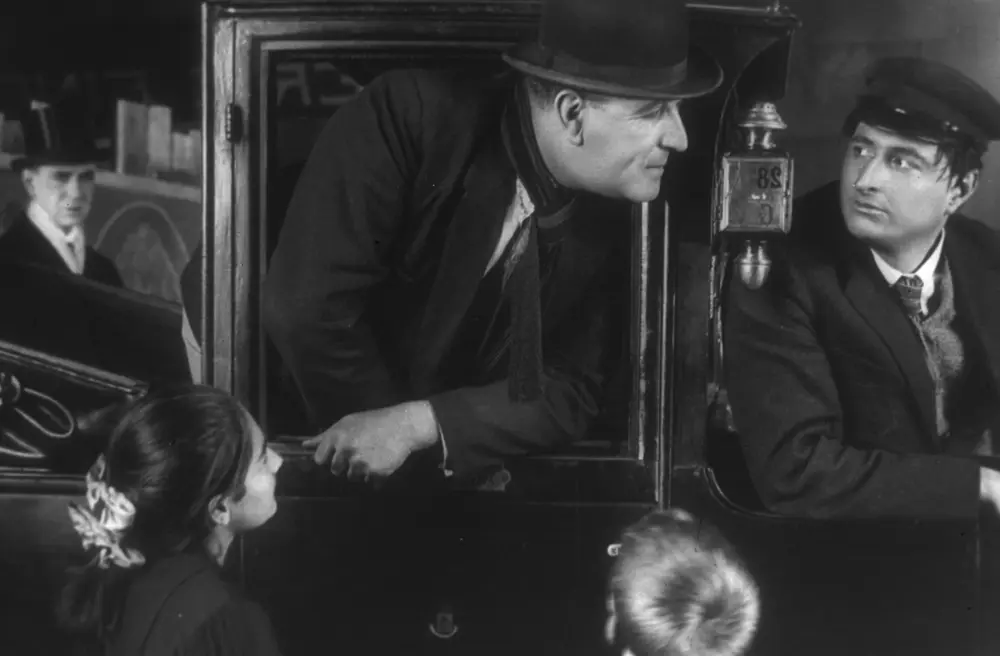
still_frame
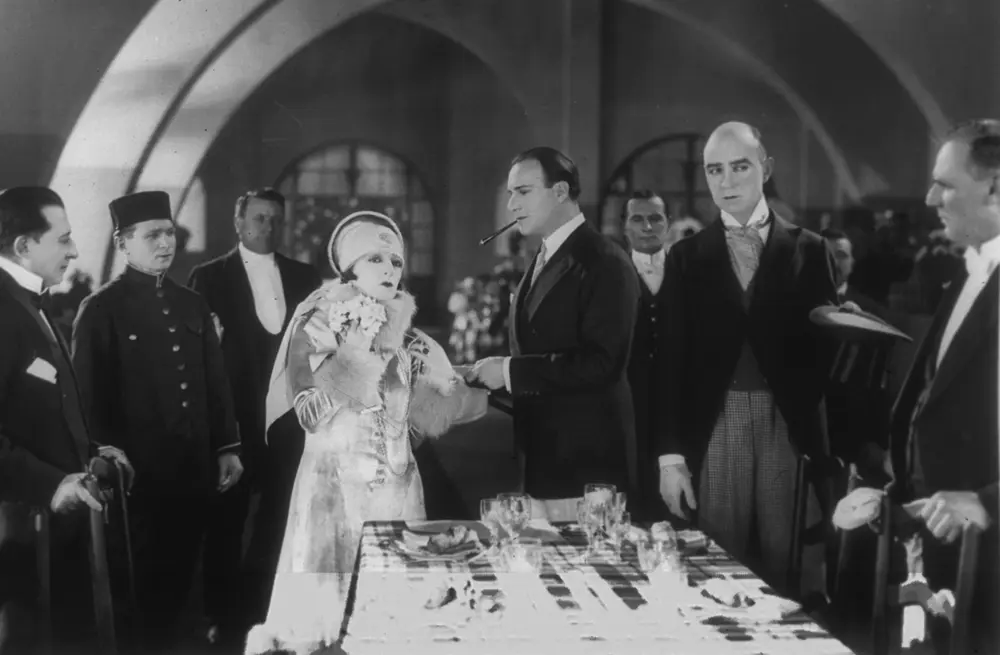
still_frame
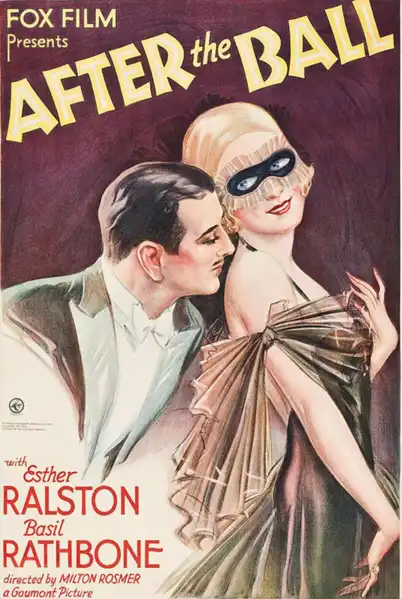
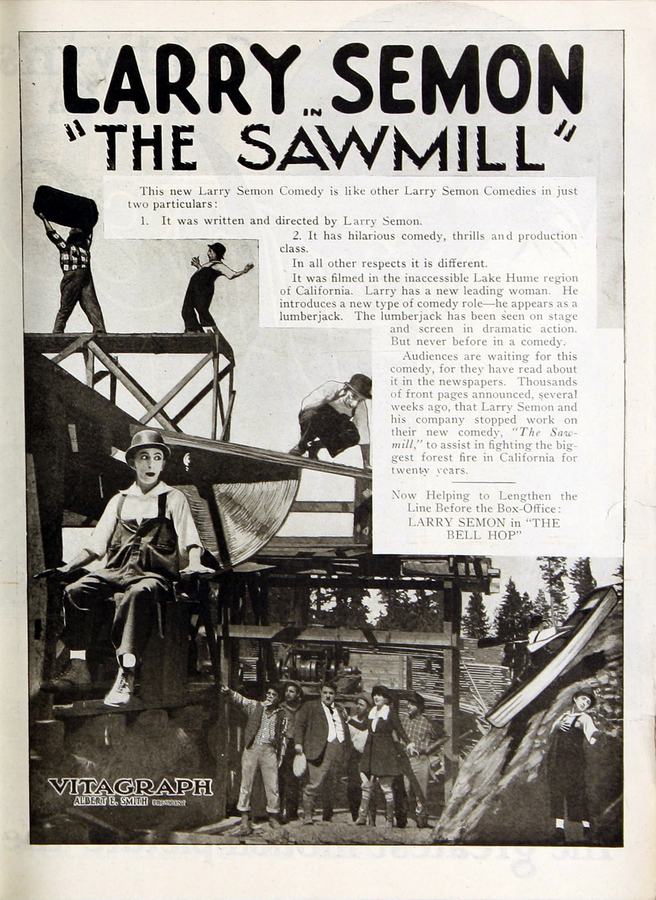
Comparing the cinematic DNA and archive impact of two defining moments in cult history.
Jean Renoir

Robert N. Bradbury
Community
Log in to comment.
"Is Marquitta a lost classic or a dusty curiosity for the cinematic obsessed? Short answer: it is a vital, if occasionally clumsy, stepping stone for anyone who wants to understand the evolution of Jean Renoir.This film is for the historian, the Renoir completionist, and the lover of silent-era melodrama who appreciates seeing a master find his voice. It is definitively NOT for those who demand the narrative polish of Renoir’s later works like The Grand Illusion or those who have no patience for ..."
Félix d'Aps
Pierre Lestringuez, Jean Renoir
France