
DbcultAccessing Vault...
Director's Spotlight
Senior Film Conservator
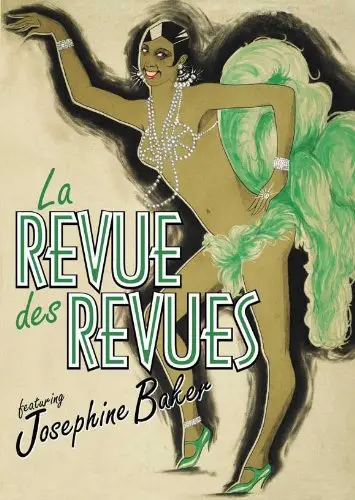
Director's Spotlight: France
A Deep Dive into the 1927 Vision of Joe Francis
The artistic breakthrough represented by La revue des revues in 1927 highlights the philosophical inquiries that Joe Francis embeds within the narrative. Framed by the hauntingly beautiful landscapes of the production, it leaves an indelible mark on the soul of the viewer.
In La revue des revues, Joe Francis pushes the boundaries of conventional narrative. The film's unique approach to its subject matter has sparked endless debates and interpretations among cinephiles and critics alike.
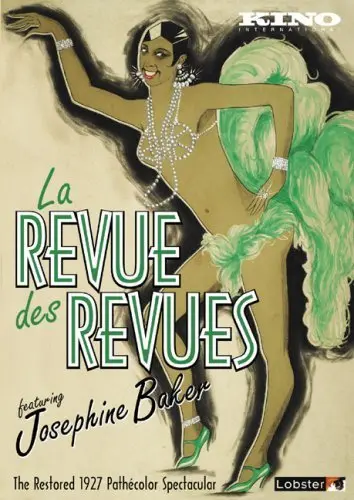
The visual language of La revue des revues is defined by its use of shadows and framing, a hallmark of Joe Francis's style. By utilizing a 1927-era palette, the film creates an immersive experience that perfectly complements its Drama themes.
| Cinematography | Static |
| Soundtrack | Minimalist |
| Editing | Slow-Burn |
| Art Direction | Brutalist |
Visualizing the convergence of Joe Francis's style and the core Drama narrative.
Gabrielle (Helene Hallier), an ambitious but innocent would-be young chorine, trumps a music hall publicity stunt to become the new Parisian nightclub Cinderella. But this lighter-than-champagne-bubbles story is only a pretext for LA REVUE DES REVUES's white-hot, non-stop procession of outrageously and scantily attired exotic dancers, showgirls, and acrobats including the Tiller¹s Follies Girls, Ruth Zackey and the Hoffmann Girls, and danseuse russe Lila Nikolska. But it's Josephine Baker, "the high priestess of primitivism" (J. Hoberman Village Voice), who triumphs in two show stopping numbers in which "her clownish backfield-in-motion Charleston shimmy is unlike anything else in the movie and perhaps unlike anything anyone ever did."
Decades after its release, La revue des revues remains a vital piece of the cinematic puzzle. Its influence can be seen in countless modern works, solidifying Joe Francis's status as a master of the craft in France and beyond.