
DbcultAccessing Vault...
Director's Spotlight
Senior Film Conservator
Director's Spotlight: United States
A Deep Dive into the 1917 Vision of John Francis Dillon
The cult DNA of Indiscreet Corinne is a reflection of United States's the subversive storytelling techniques employed by John Francis Dillon in 1917. Breaking the traditional rules of cult engagement, it leaves an indelible mark on the soul of the viewer.
In Indiscreet Corinne, John Francis Dillon pushes the boundaries of conventional narrative. The film's unique approach to its subject matter has sparked endless debates and interpretations among cinephiles and critics alike.
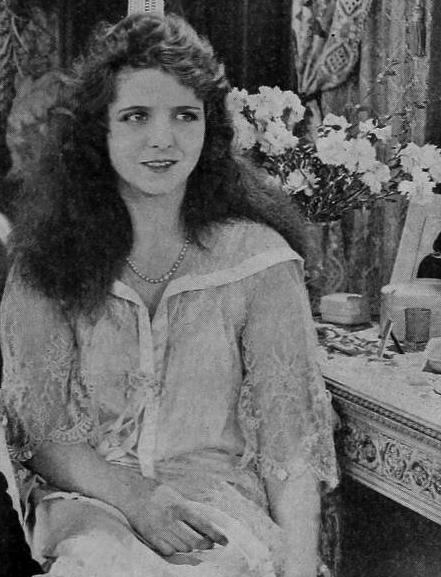
To fully appreciate Indiscreet Corinne, one must consider the cinematic climate of 1917. During this period, United States was undergoing significant artistic shifts, and John Francis Dillon was at the forefront of this cult movement, often challenging established norms.
| Cinematography | Static |
| Soundtrack | Experimental |
| Editing | Elliptical |
| Art Direction | Expressionist |
Visualizing the convergence of John Francis Dillon's style and the core cult narrative.
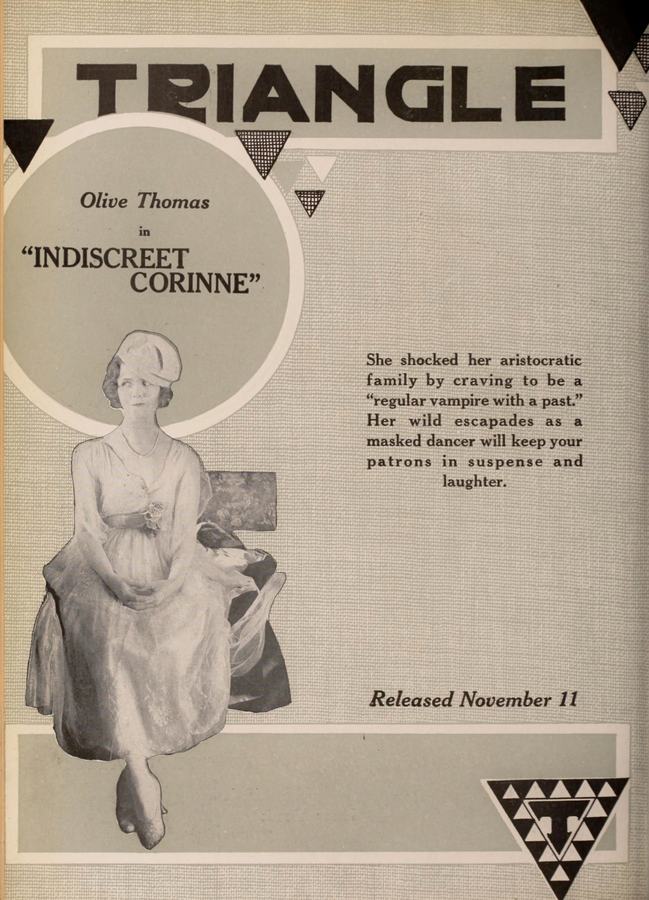
Bored with her life as the daughter of wealthy parents, Corinne Chilvers answers an ad in the paper for a woman with a lurid past. Hired to secure a declaration of marriage from South American millionaire Nicholas Fenwick, Corinne assumes the identity of a masked dancer to attract Fenwick's attention. Competing with Corinne for Fenwick's affections is Pansy Hartley, a woman who actually does have a shady past. After a series of misadventures, Fenwick falls in love with Corinne, whose parents, scandalized by their daughter's escapades, disown her. Reporting to her employers that Fenwick has proposed to her, Corinne discovers that the young man is not a millionaire, but rather the object of a publicity stunt, which is aborted when Corinne and Fenwick really do get married. Fenwick then approaches Corinne's parents and persuades them to forgive their daughter for her scandalous behavior.
Decades after its release, Indiscreet Corinne remains a vital piece of the cinematic puzzle. Its influence can be seen in countless modern works, solidifying John Francis Dillon's status as a master of the craft in United States and beyond.