
DbcultAccessing Vault...
Director's Spotlight
Senior Film Conservator
Director's Spotlight: United States
A Deep Dive into the 1927 Vision of John G. Blystone
Deciphering the layers of Slaves of Beauty (1927) reveals the complex thematic architecture established by John G. Blystone. Utilizing a 1927-specific aesthetic that remains timeless, it stands as the definitive 1927 statement on Drama identity.
In Slaves of Beauty, John G. Blystone pushes the boundaries of conventional narrative. The film's unique approach to its subject matter has sparked endless debates and interpretations among cinephiles and critics alike.
To fully appreciate Slaves of Beauty, one must consider the cinematic climate of 1927. During this period, United States was undergoing significant artistic shifts, and John G. Blystone was at the forefront of this Drama movement, often challenging established norms.
| Cinematography | Deep Focus |
| Soundtrack | Experimental |
| Editing | Elliptical |
| Art Direction | Expressionist |
Visualizing the convergence of John G. Blystone's style and the core Drama narrative.
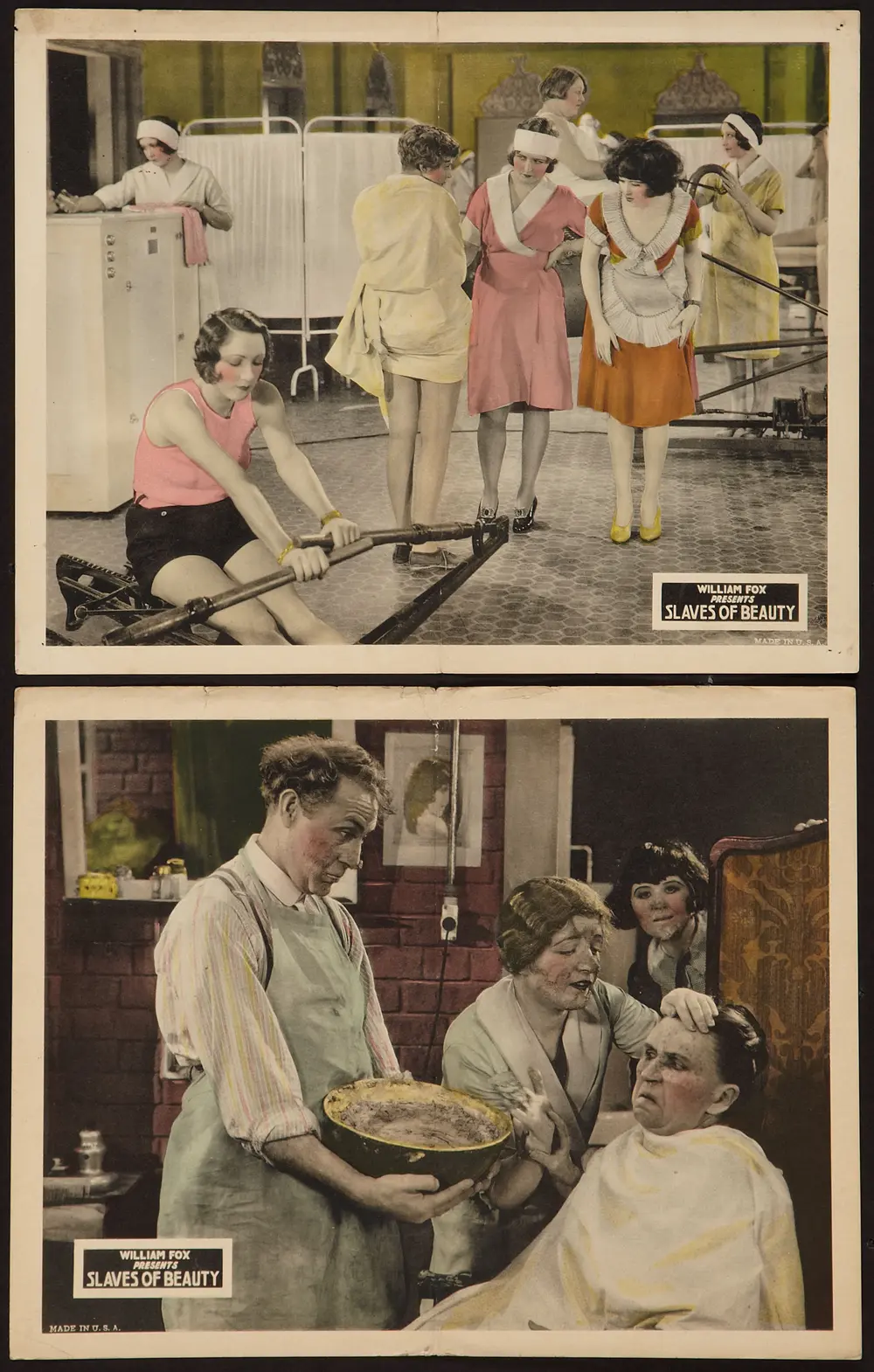
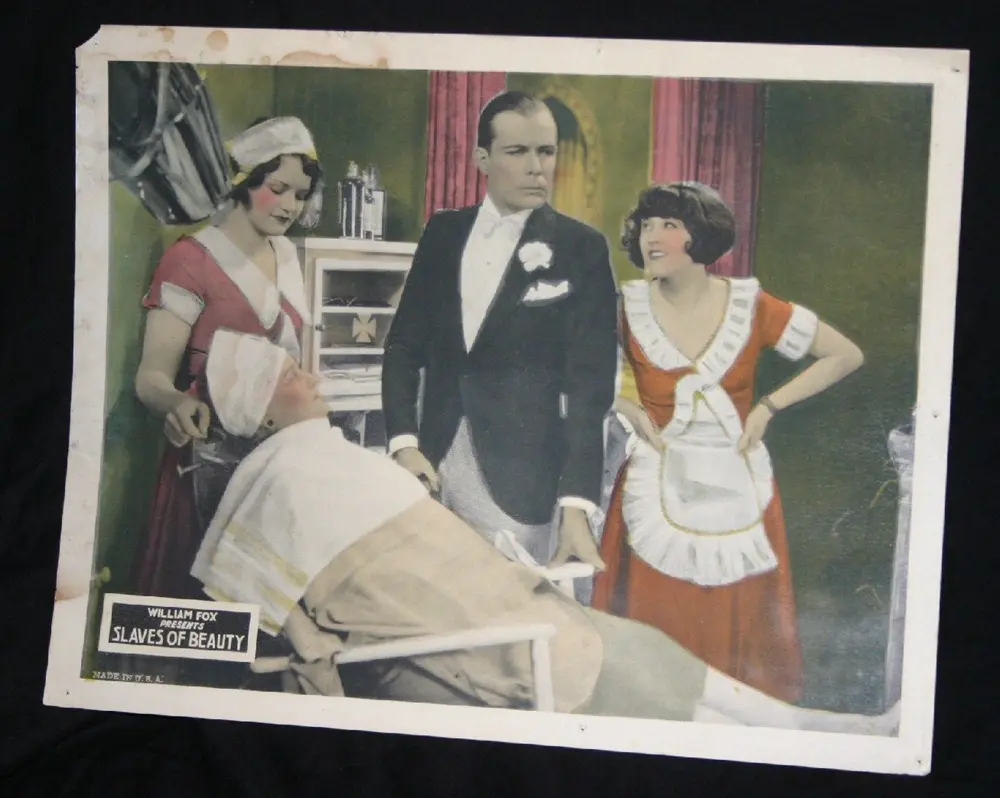
When Len Jones develops a beauty clay that brings wealth to his household, his wife Anastasia tires of him and falls in love with the beauty-shop manager, Paul Terry, a dashing young male vamp. She soon neglects their business and sells the shop to a rival, who turns out to be none other than her husband. Len acquires a new youthfulness by diet and exercise and turns the business into a highly successful enterprise, while Anastasia, learning that Terry is a scoundrel, is reconciled to her husband.
Decades after its release, Slaves of Beauty remains a vital piece of the cinematic puzzle. Its influence can be seen in countless modern works, solidifying John G. Blystone's status as a master of the craft in United States and beyond.