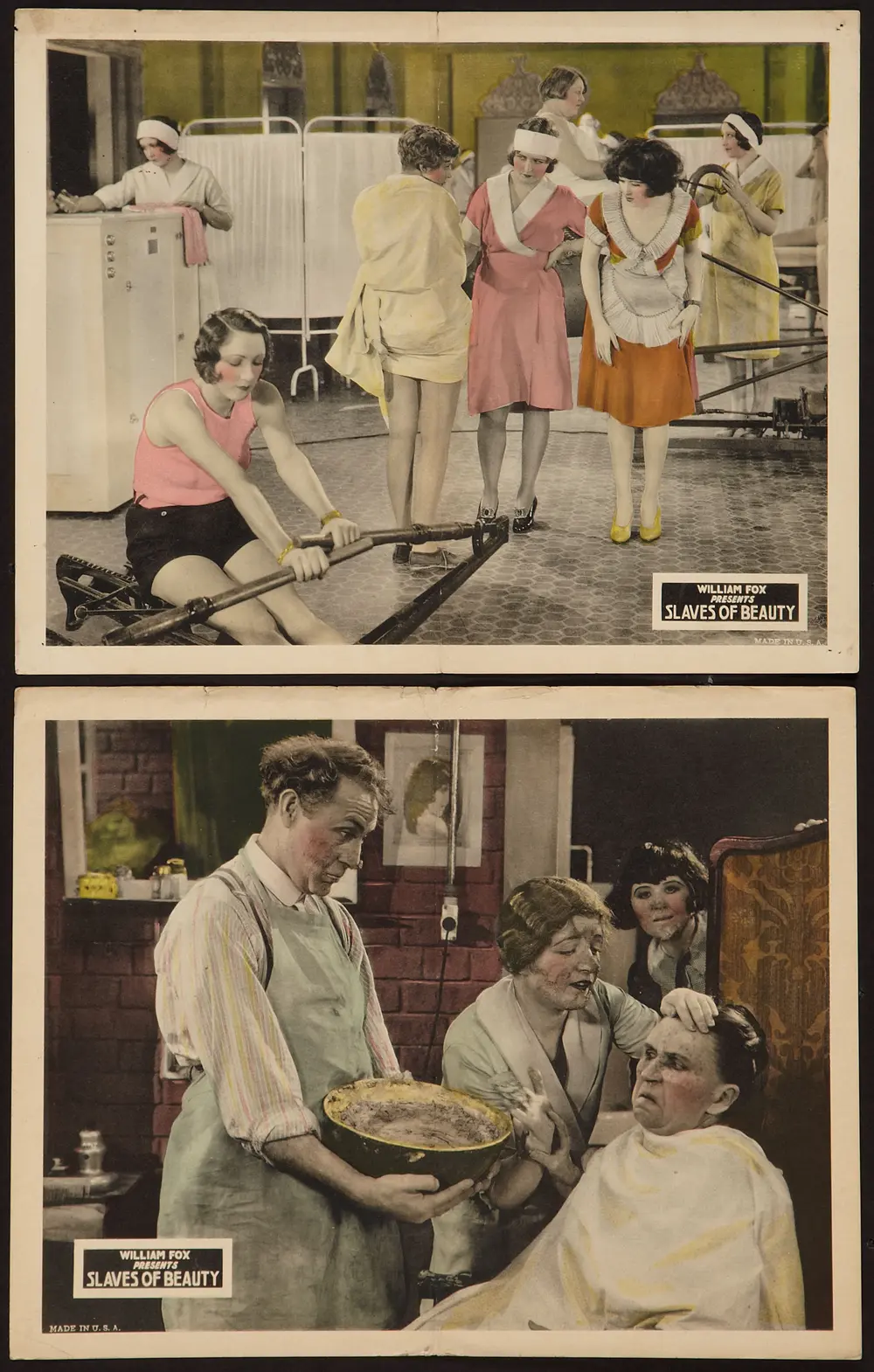
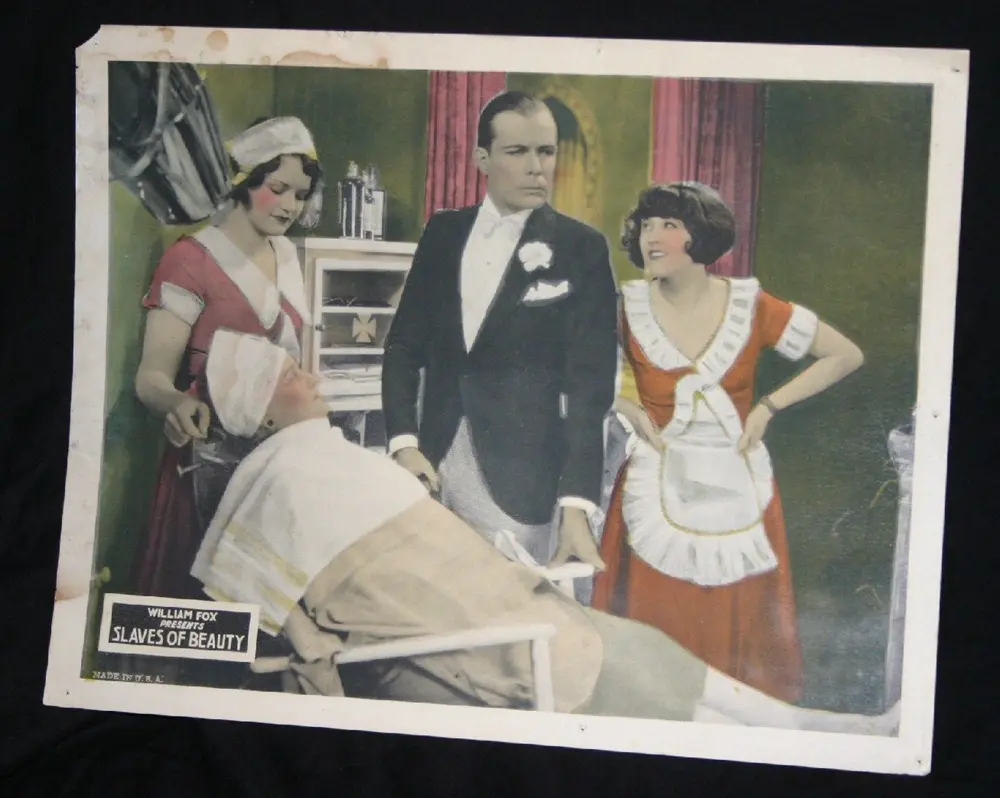
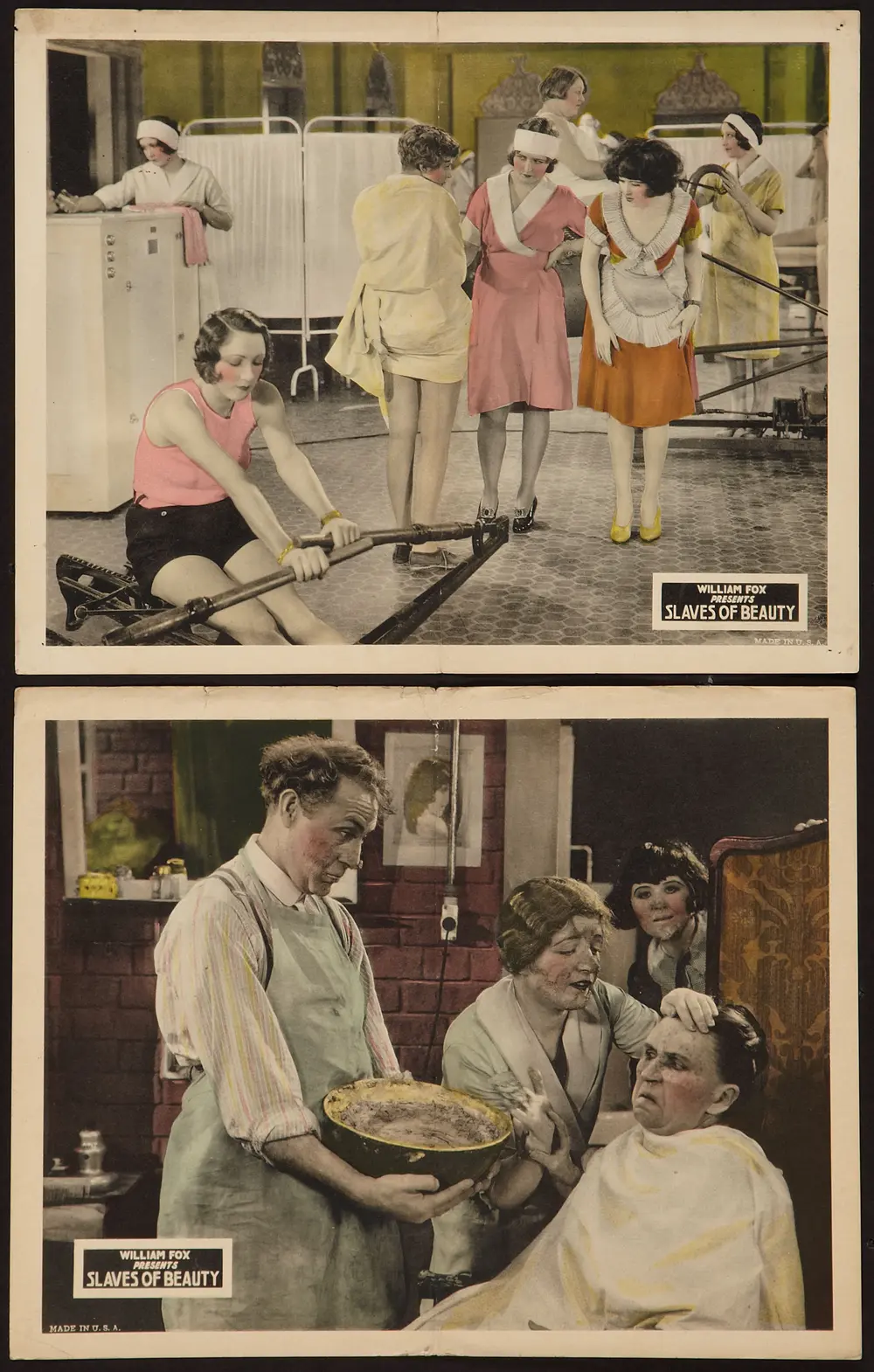
When Len Jones develops a beauty clay that brings wealth to his household, his wife Anastasia tires of him and falls in love with the beauty-shop manager, Paul Terry, a dashing young male vamp. She soon neglects their business and sells the shop to a rival, who turns out to be none other than her husband.
Is 'Slaves of Beauty' worth watching today? Short answer: yes, but with significant caveats.This 1927 silent drama offers a surprising, if somewhat dated, glimpse into marital dynamics and societal pressures, making it a curious watch for silent film enthusiasts and those interested in early feminist undertones, but li...
production_art
production_art
production_art

Comparing the cinematic DNA and archive impact of two defining moments in cult history.
John G. Blystone
Bruno Ziener
Community
Log in to comment.
"Slaves of Beauty" unfurls a domestic drama rooted in the unexpected prosperity brought by Len Jones’s revolutionary beauty clay. His invention catapults his household into affluence, yet paradoxically, it also ushers in a profound marital estrangement. Anastasia, Len's wife, finds herself increasingly detached from her industrious, albeit unglamorous, husband, her affections drifting towards Paul Terry, the charismatic and manipulative manager of their burgeoning beauty salon. As Anastasia becomes ensnared in Terry's allure, she grows indifferent to the very enterprise that secured her comfort, eventually liquidating the business to a supposed rival. In a twist of fate, this rival is revealed to be Len himself, who, having undergone a radical personal transformation through stringent diet and exercise, re-emerges as a revitalized, successful entrepreneur. The narrative culminates in Anastasia’s stark realization of Terry's true, scoundrel nature, paving the way for a potential reconciliation with her rejuvenated husband, who has, in essence, reclaimed his life and his business.
"Is 'Slaves of Beauty' worth watching today? Short answer: yes, but with significant caveats.This 1927 silent drama offers a surprising, if somewhat dated, glimpse into marital dynamics and societal pressures, making it a curious watch for silent film enthusiasts and those interested in early feminist undertones, but likely a challenging sit for casual viewers accustomed to modern pacing and narrative sophistication.Let’s be direct about what works and what doesn't.This film works because: It pre..."

Earle Foxe
Nina Wilcox Putnam, James Kevin McGuinness, William M. Conselman
United States
Deep dive into the cult classic
Discover similar cinematic experiences
A Directorial Spotlight on John G. Blystone