
DbcultAccessing Vault...
Director's Spotlight
Senior Film Conservator
Director's Spotlight: United States
A Deep Dive into the 1926 Vision of John McDermott
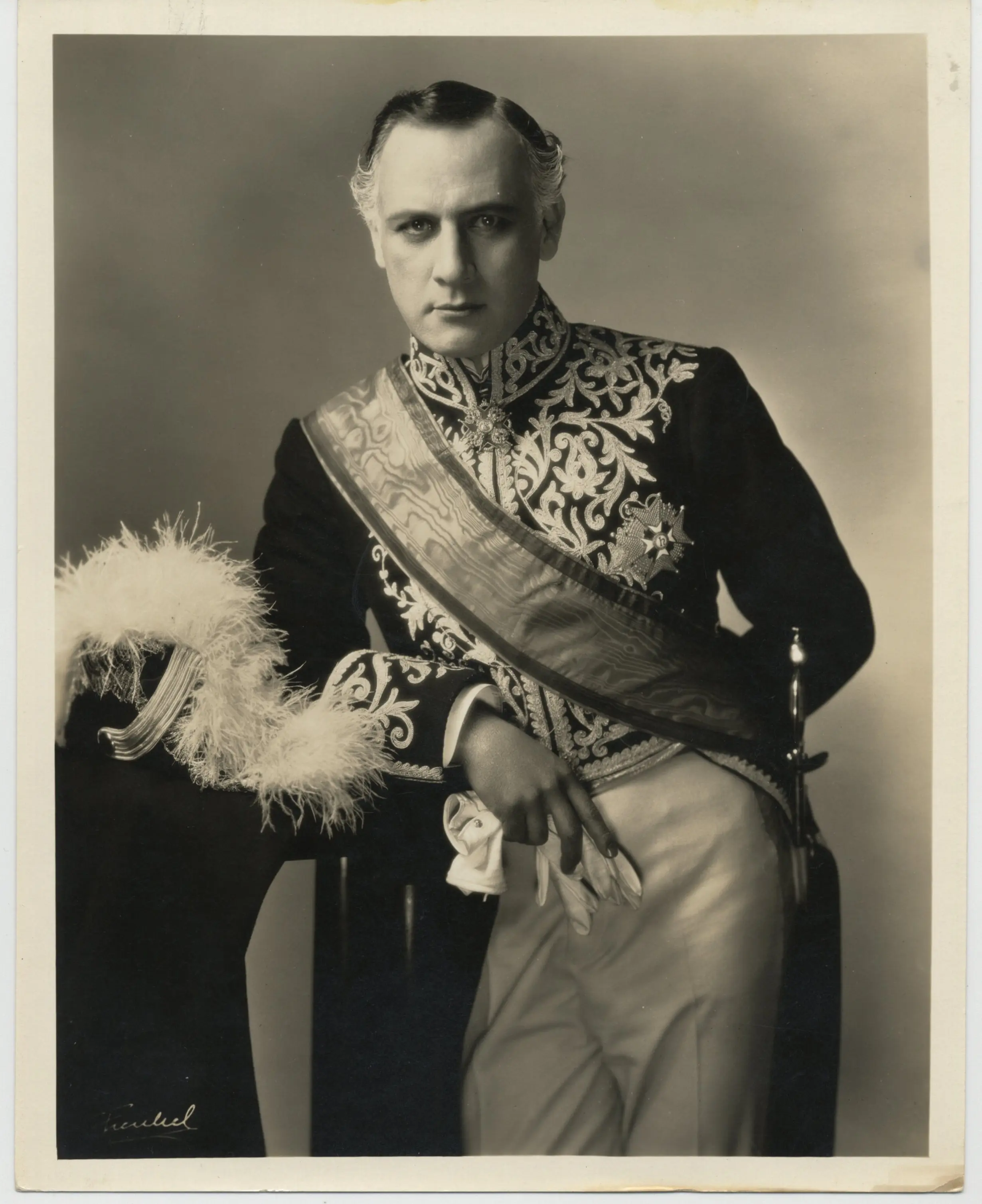
Under the meticulous guidance of John McDermott, The Love Thief became the cultural zeitgeist captured so perfectly by John McDermott in 1926. Driven by an uncompromising commitment to Romance excellence, it remains a vital reference point for anyone studying the evolution of John McDermott.
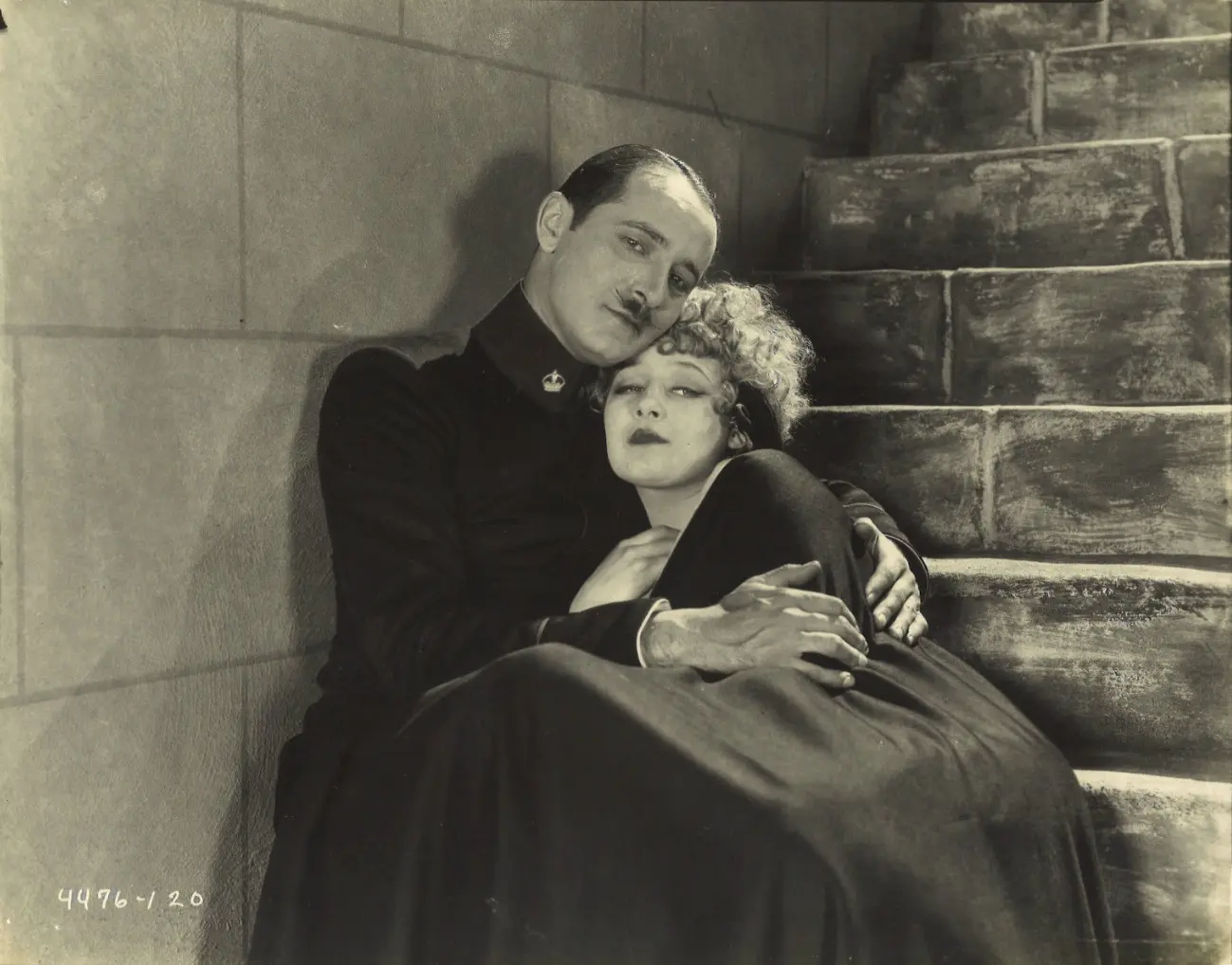
In The Love Thief, John McDermott pushes the boundaries of conventional narrative. The film's unique approach to its subject matter has sparked endless debates and interpretations among cinephiles and critics alike.
| Cinematography | Handheld |
| Soundtrack | Synth-Heavy |
| Editing | Disjunctive |
| Art Direction | Baroque |
Visualizing the convergence of John McDermott's style and the core Romance narrative.
To avert war between their countries an official marriage is arranged between Crown Prince Boris of Moraine and Princess Flavia of Norvia. Prince Karl of Norvia sees in the alliance an opportunity to gain control of both kingdoms but upon visiting Boris finds him unyielding and independent. Flavia, shedding her stately dignity in the palace garden, is accosted by the flirtatious Boris, who believes her to be the princess' cousin; and falling in love, he realizes that he cannot go through with the planned marriage. Karl plots to have Boris abdicate, and at the pleas of the minister, Boris refuses to fight the regent and is disgraced. To assure his safety, Princess Flavia agrees to marry the imbecile prince, Michael; Boris is secretly substituted for Michael at the wedding, and though Karl protests, the ceremony proceeds. The regent's duplicity is exposed by Flavia, and all ends happily.
Decades after its release, The Love Thief remains a vital piece of the cinematic puzzle. Its influence can be seen in countless modern works, solidifying John McDermott's status as a master of the craft in United States and beyond.