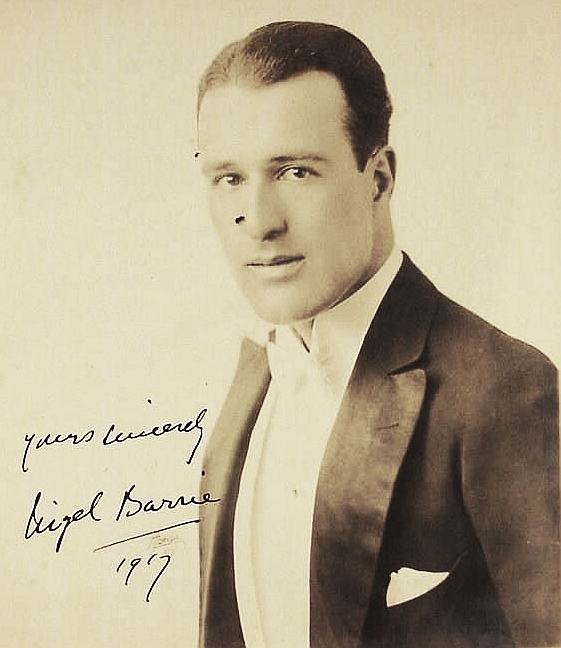
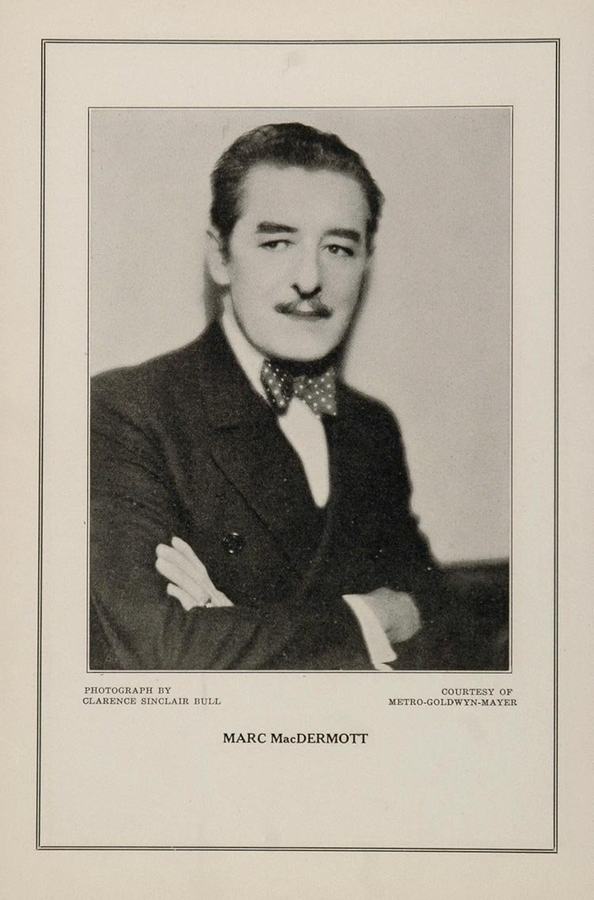
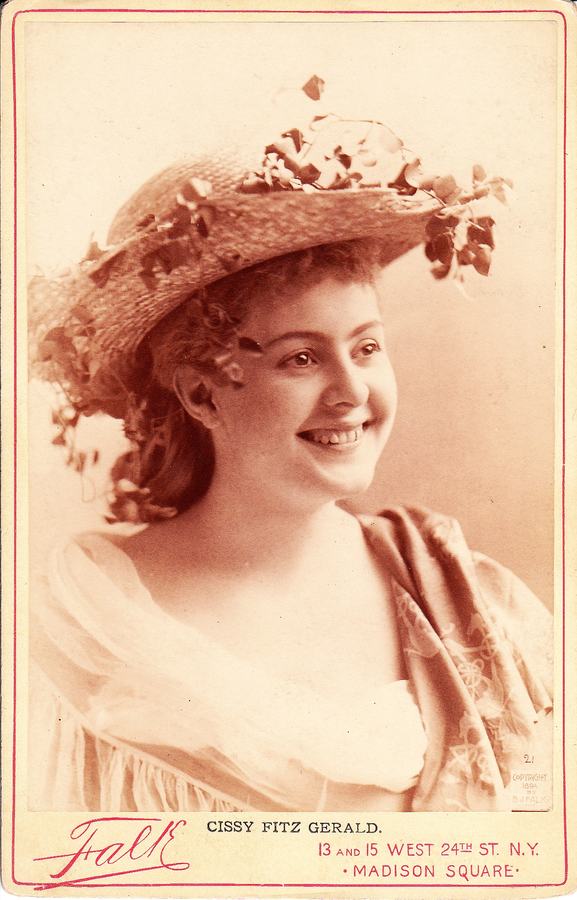
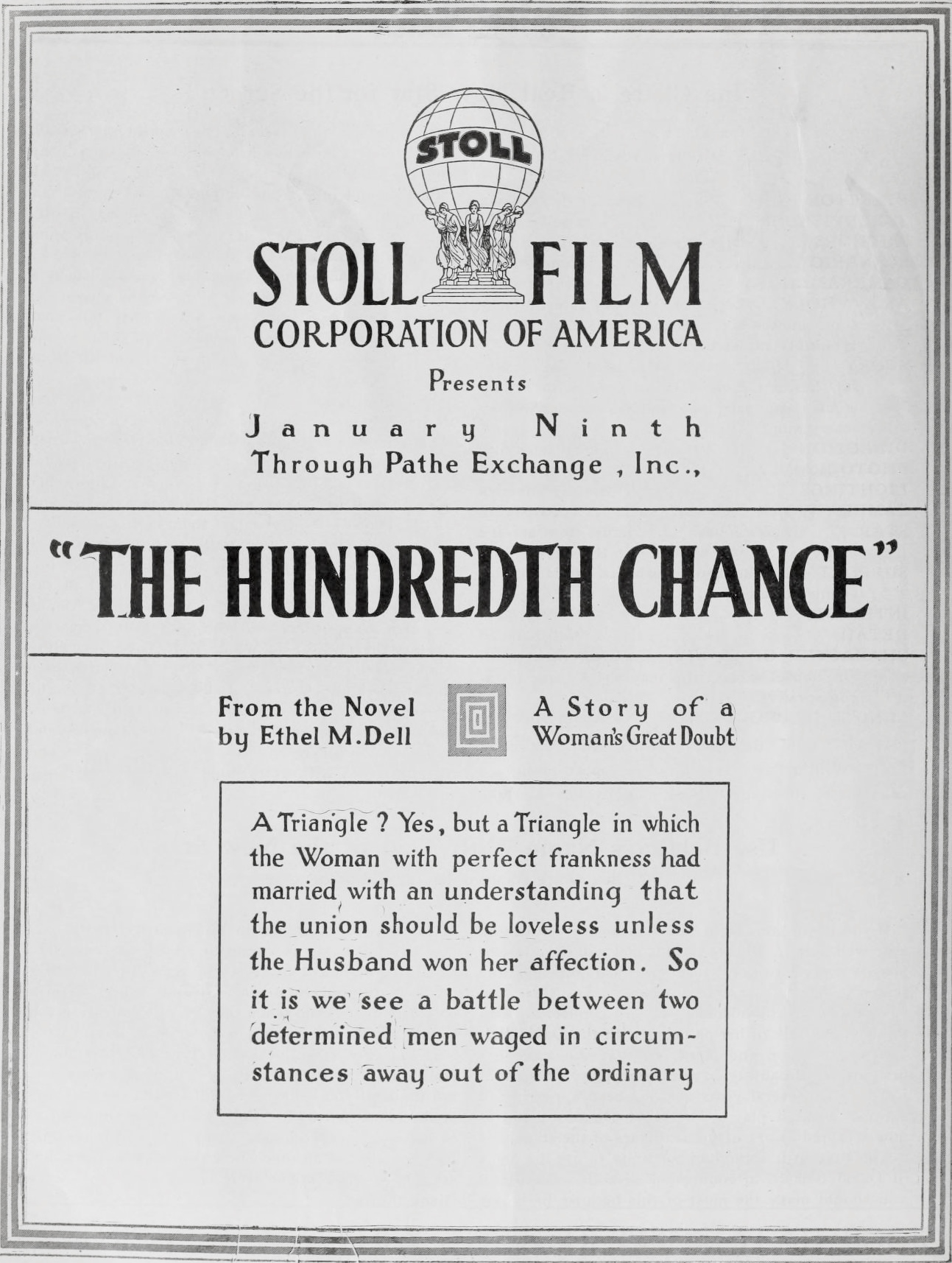
To avert war between their countries an official marriage is arranged between Crown Prince Boris of Moraine and Princess Flavia of Norvia. Prince Karl of Norvia sees in the alliance an opportunity to gain control of both kingdoms but upon visiting Boris finds him unyielding and independent.
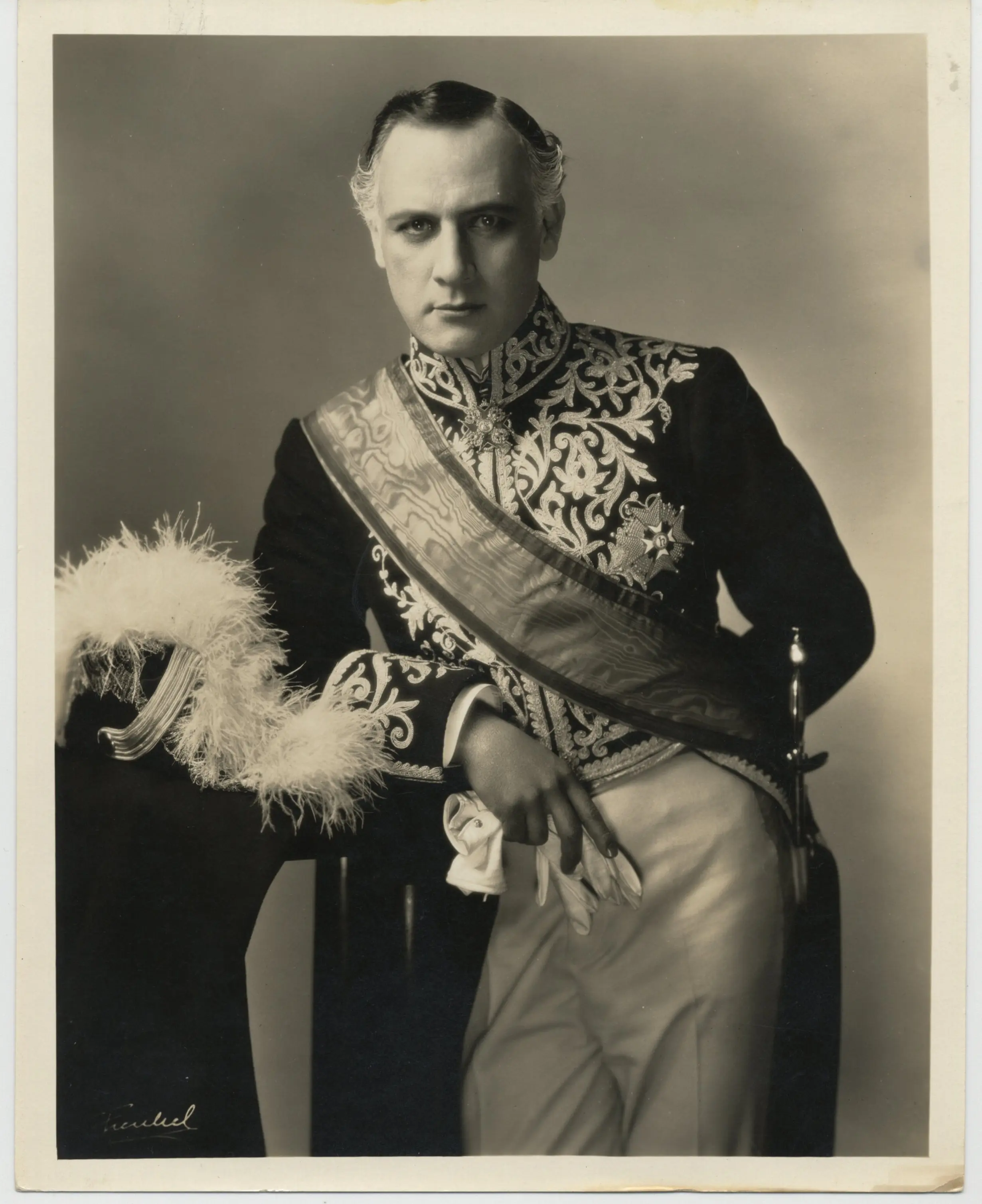
Is The Love Thief worth your time in the modern era? Short answer: yes, but only if you appreciate the theatricality of the 1920s and the specific charm of the Ruritanian romance genre. This film is for the romanticist who finds beauty in grand gestures and the silent film buff looking for a bridge between melodrama an...
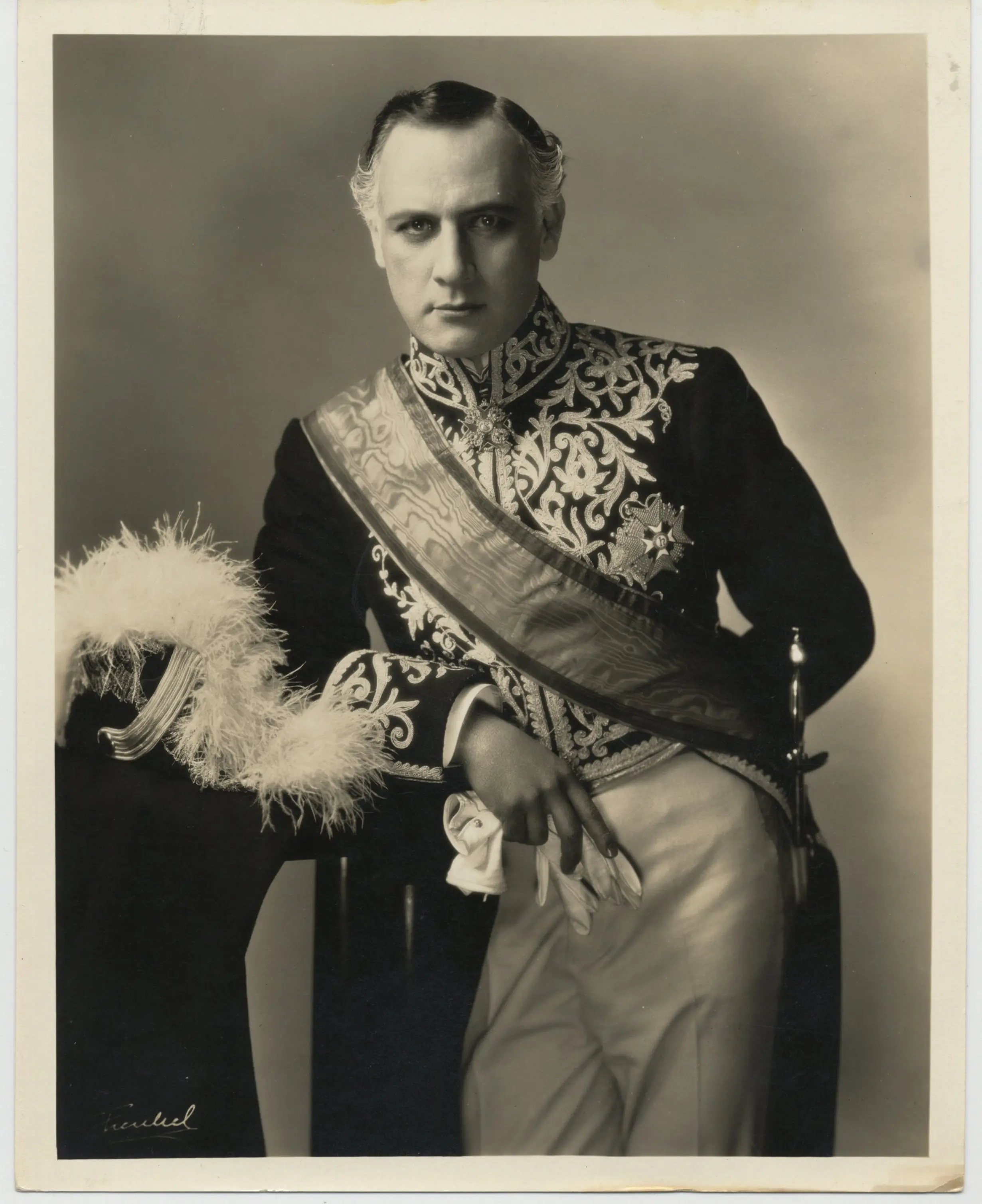
still_frame
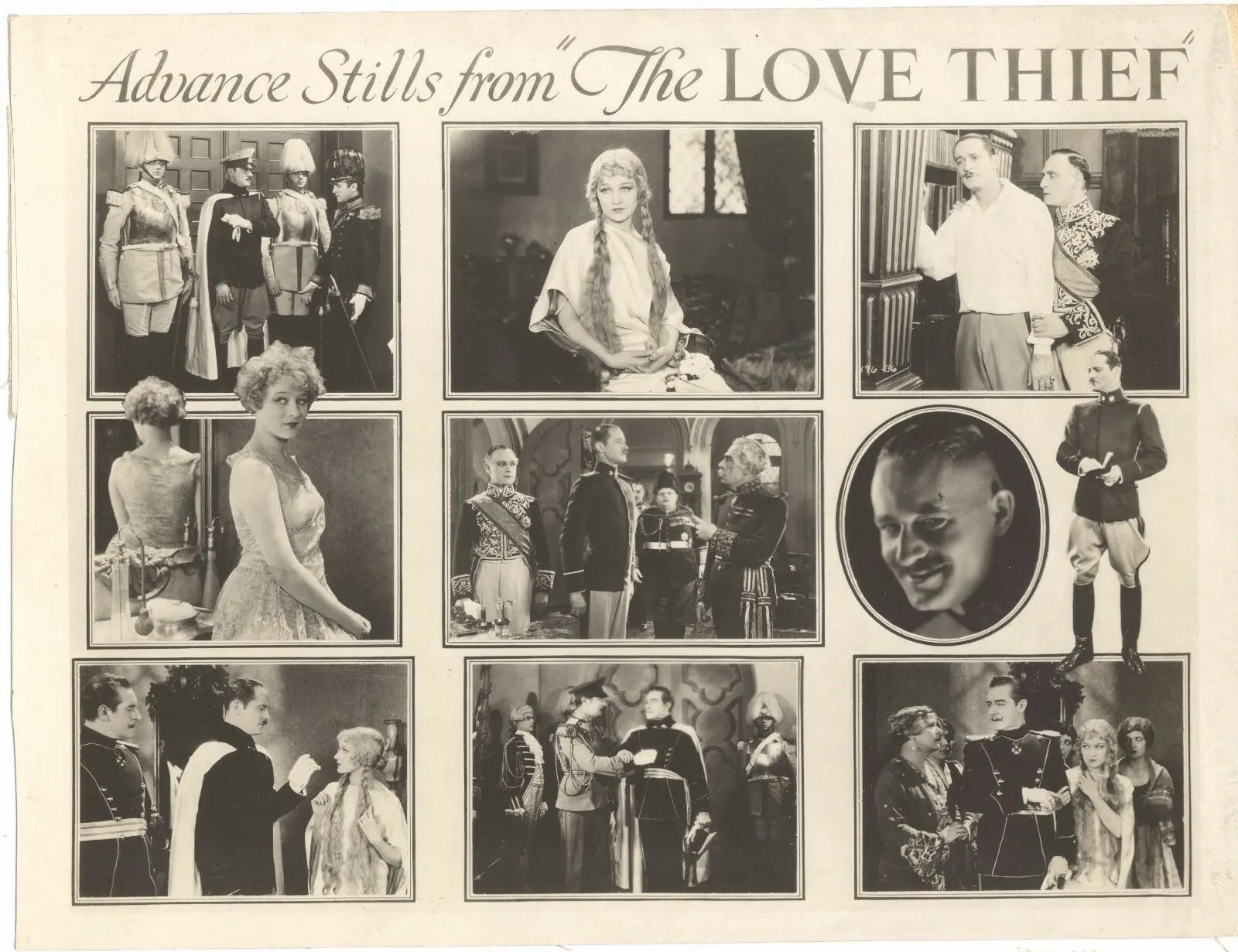
publicity
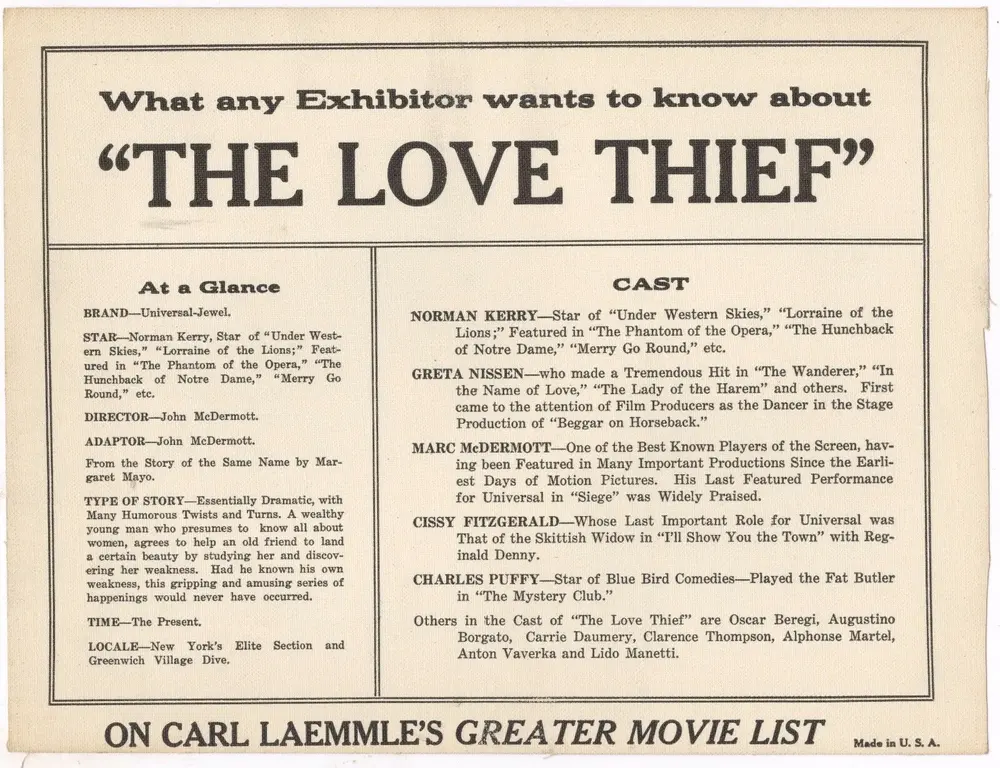
publicity
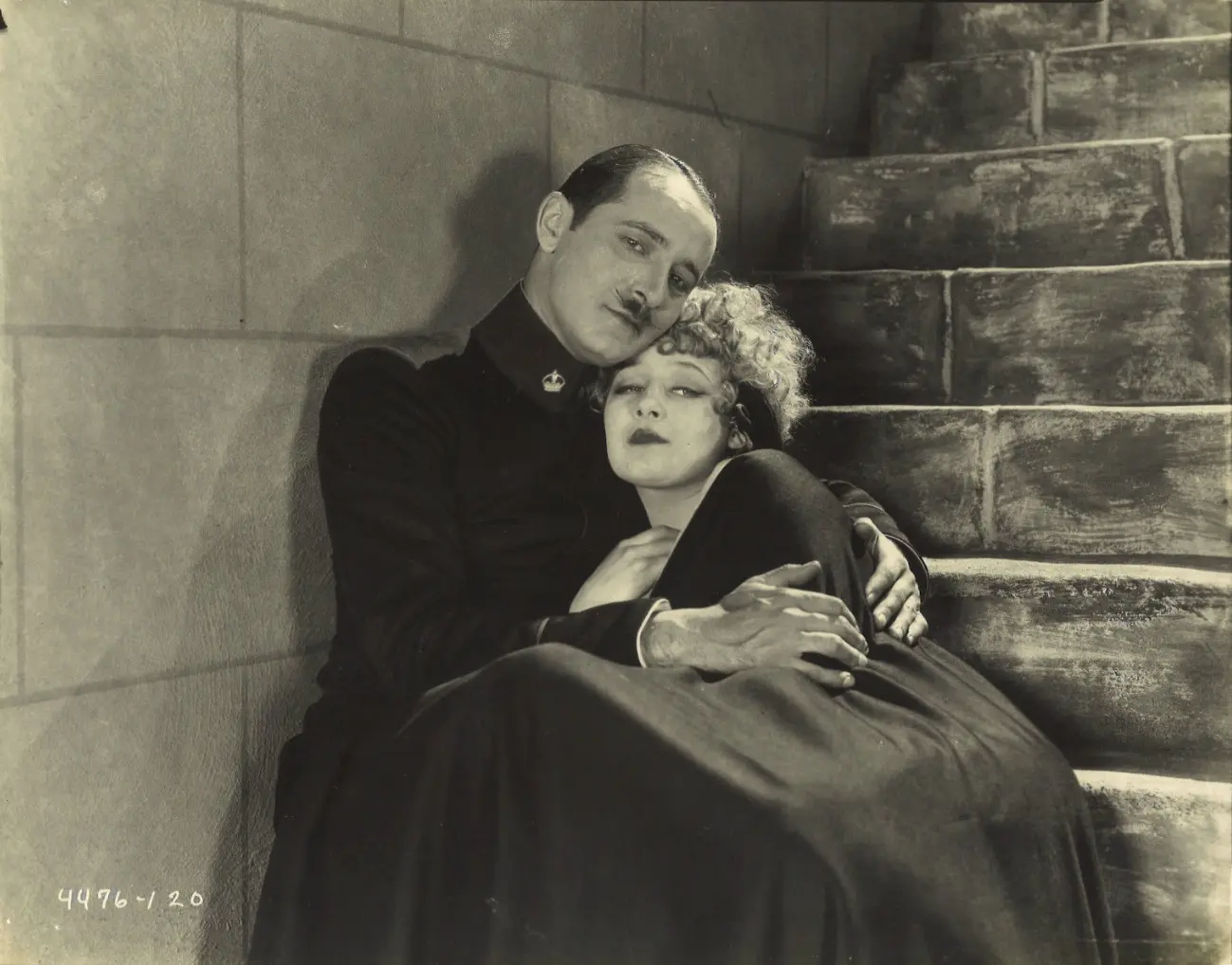
still_frame

Comparing the cinematic DNA and archive impact of two defining moments in cult history.
John McDermott

Alexander Butler
Community
Log in to comment.
"Is The Love Thief worth your time in the modern era? Short answer: yes, but only if you appreciate the theatricality of the 1920s and the specific charm of the Ruritanian romance genre. This film is for the romanticist who finds beauty in grand gestures and the silent film buff looking for a bridge between melodrama and political thriller; it is definitely not for viewers who demand gritty realism or fast-cut action sequences.The film exists in that peculiar cinematic space where the stakes are ..."
Károly Huszár
John McDermott
United States