
DbcultAccessing Vault...
Director's Spotlight
Senior Film Conservator
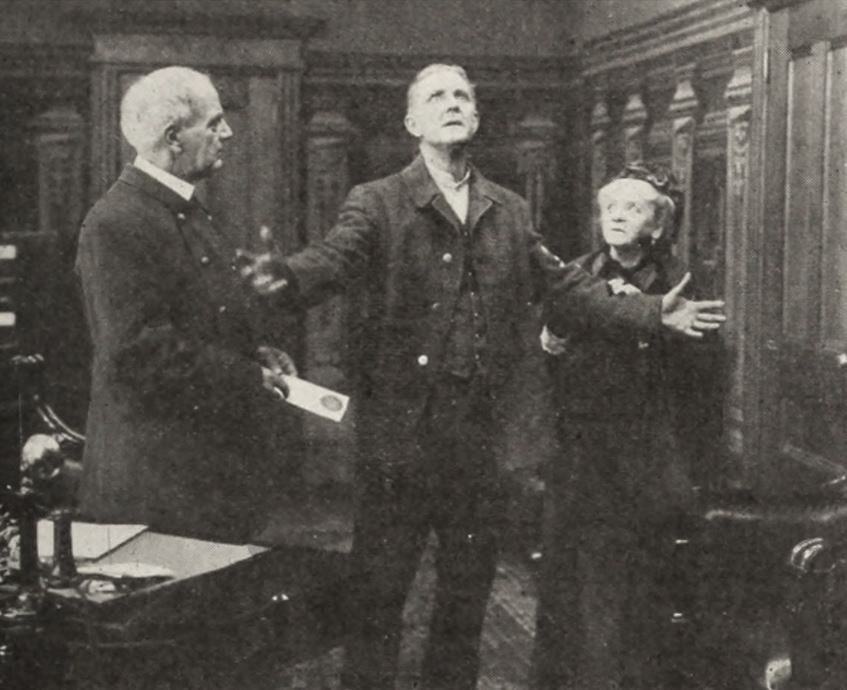
Director's Spotlight: United States
A Deep Dive into the 1915 Vision of Joseph A. Golden
As a cultural artifact of the 1915s, Not Guilty provides the global recognition that Joseph A. Golden garnered after the release of Not Guilty. Elevating the source material through Joseph A. Golden's unique vision, it solidifies Joseph A. Golden's reputation as a master of the craft.
In Not Guilty, Joseph A. Golden pushes the boundaries of conventional narrative. The film's unique approach to its subject matter has sparked endless debates and interpretations among cinephiles and critics alike.
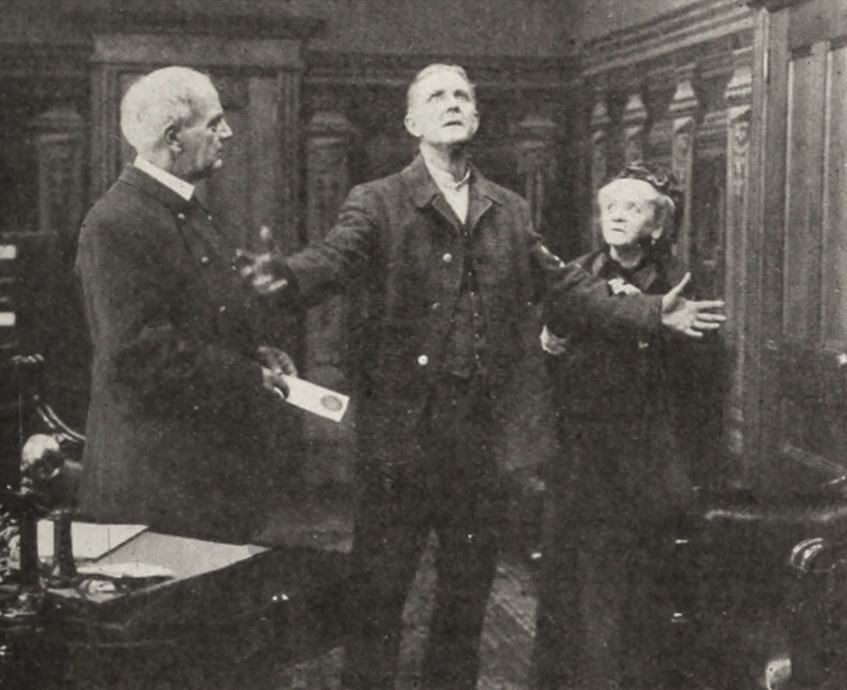
While deeply rooted in United States, Not Guilty has achieved a global reach, influencing directors from various backgrounds. Its ability to translate cult tropes into a universal cinematic language is why it remains a cult staple decades after its 1915 release.
| Cinematography | Static |
| Soundtrack | Synth-Heavy |
| Editing | Disjunctive |
| Art Direction | Baroque |
Visualizing the convergence of Joseph A. Golden's style and the core cult narrative.
Ed Andrews, a young shipping clerk, is in love with Dora Birch, and has as rival Tom Matthews, but wins the girl, much to his mother's satisfaction. A raise in salary hastens their marriage and two years later their baby arrives. Andrews, celebrating the event, goes to the corner bar with George Gardner, his chum, and, after several drinks, Gardner gets into a fight with Jim Matthews, Tom's brother, knocking him down with a blow, Matthew's head striking the pavement, causing his death. George runs away, and Ed bends over Matthews, trying to raise him. The crowd threatens him and he starts to run, but is soon caught. In the morning he is fined for disorderly conduct, and is near freedom when word comes that Matthews is dead, and he is held for murder. Tom is a ward detective, and four months after the arrest, swears that Jim was killed while resisting highway robbery. Ed is sentenced to death, and the shock kills his wife, his mother taking the child and rearing her. She pleads with the Governor, and in view of the evidence he commutes Ed's sentence to imprisonment for life. His mother tells him of his wife's death, and, with his nerve crushed, he begins his prison life. Nineteen years later his daughter falls in love with Paul Matthews, son of the man who had sworn away his life. Ed's mother continues her efforts in his behalf, and Gardner, dying in a distant city, tells the truth about the assault. Ed is pardoned and meets his daughter for the first time in the warden's office. Ed and his daughter are having luncheon on the beach when he sees a man fall from a boat, swims out to save him and brings him to shore, but the man is dead and Ed recognized the body as that of Tom Matthews, the brother of the man his friend had killed, and on whose evidence he had spent twenty years in prison. Then he feels that while nothing can give him back his lost youth, his wasted life and the wife he loved, he has overtaken the man who was responsible for his troubles.
Decades after its release, Not Guilty remains a vital piece of the cinematic puzzle. Its influence can be seen in countless modern works, solidifying Joseph A. Golden's status as a master of the craft in United States and beyond.