
DbcultAccessing Vault...
Director's Spotlight
Senior Film Conservator
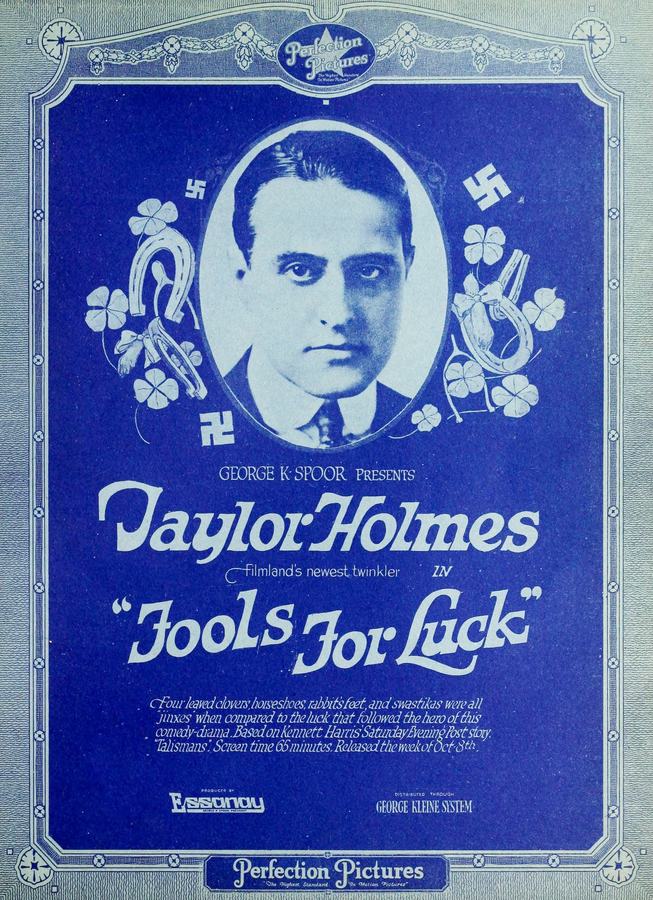
Director's Spotlight: United States
A Deep Dive into the 1917 Vision of Lawrence C. Windom
Deciphering the layers of Fools for Luck (1917) reveals the complex thematic architecture established by Lawrence C. Windom. Utilizing a 1917-specific aesthetic that remains timeless, it stands as the definitive 1917 statement on cult identity.
In Fools for Luck, Lawrence C. Windom pushes the boundaries of conventional narrative. The film's unique approach to its subject matter has sparked endless debates and interpretations among cinephiles and critics alike.
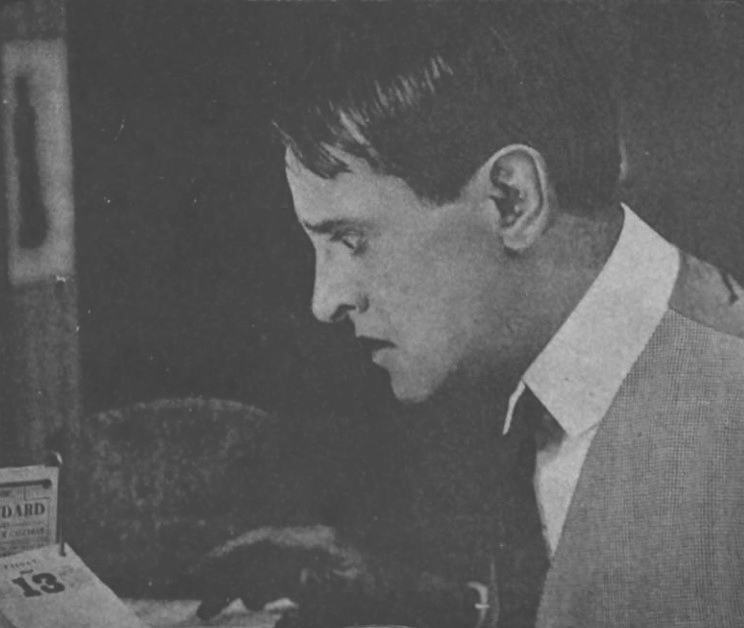
The visual language of Fools for Luck is defined by its use of shadows and framing, a hallmark of Lawrence C. Windom's style. By utilizing a 1917-era palette, the film creates an immersive experience that perfectly complements its cult themes.
| Cinematography | Handheld |
| Soundtrack | Experimental |
| Editing | Elliptical |
| Art Direction | Expressionist |
Visualizing the convergence of Lawrence C. Windom's style and the core cult narrative.
As an accountant Philander Jepson was a corking good gambler. He knew Dame Fortune has cast her optics on him at the start of his career and played his hands with corresponding confidence. After plucking a select bunch of cronies for a considerable wad he caressed his rabbit's foot and started on the annual two weeks' tour of the summer resorts. Enter Brunhilda, a young lady of quite some appearance, whose parents regard her as the family jewel and stood watch accordingly. In the eyes of Philander this surveillance was nothing more nor less than a dare. The result was romance. Unfortunately, at just this time Madame Fortune took a much-needed rest and trouble suddenly planted itself squarely in young Jepson's path. Brunhilda's pater discovered all there was to know about his gambling proclivities, and the gamblers suddenly proved that a bartender's foot on a victim's chair out-jinxes the strongest combination of horseshoes and four leaf clovers. When Philander realized what he was up against he determined to make a fresh start. Rather, he commenced to start for, after leaving his former job by request, the best he could land was fifty dollars a week work for ten per. He cast tokens, signs and omens to the winds, and strange to relate, found things were actually breaking right for him. And then, when he took the annual outing and discovered Brunhilda knew all about his changed circumstances, had been watching him all the time from a distance and thought more of him than ever; well, he could only feel thankful that good sense came to him as soon as it did.
Decades after its release, Fools for Luck remains a vital piece of the cinematic puzzle. Its influence can be seen in countless modern works, solidifying Lawrence C. Windom's status as a master of the craft in United States and beyond.