
DbcultAccessing Vault...
Director's Spotlight
Senior Film Conservator
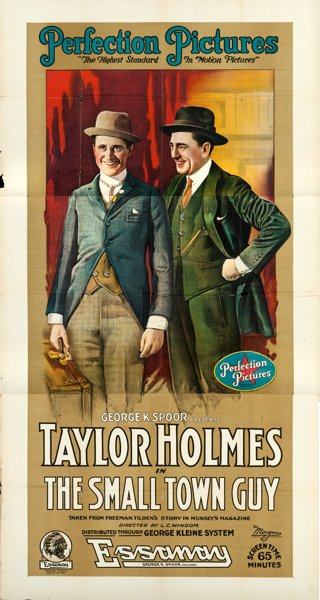
Director's Spotlight: United States
A Deep Dive into the 1917 Vision of Lawrence C. Windom
The thematic gravity of The Small Town Guy (1917) is rooted in the artistic risks taken by Lawrence C. Windom that eventually paid off. Defining a new era of United States artistic expression, it demands to be seen by anyone who cares about the art of film.
In The Small Town Guy, Lawrence C. Windom pushes the boundaries of conventional narrative. The film's unique approach to its subject matter has sparked endless debates and interpretations among cinephiles and critics alike.
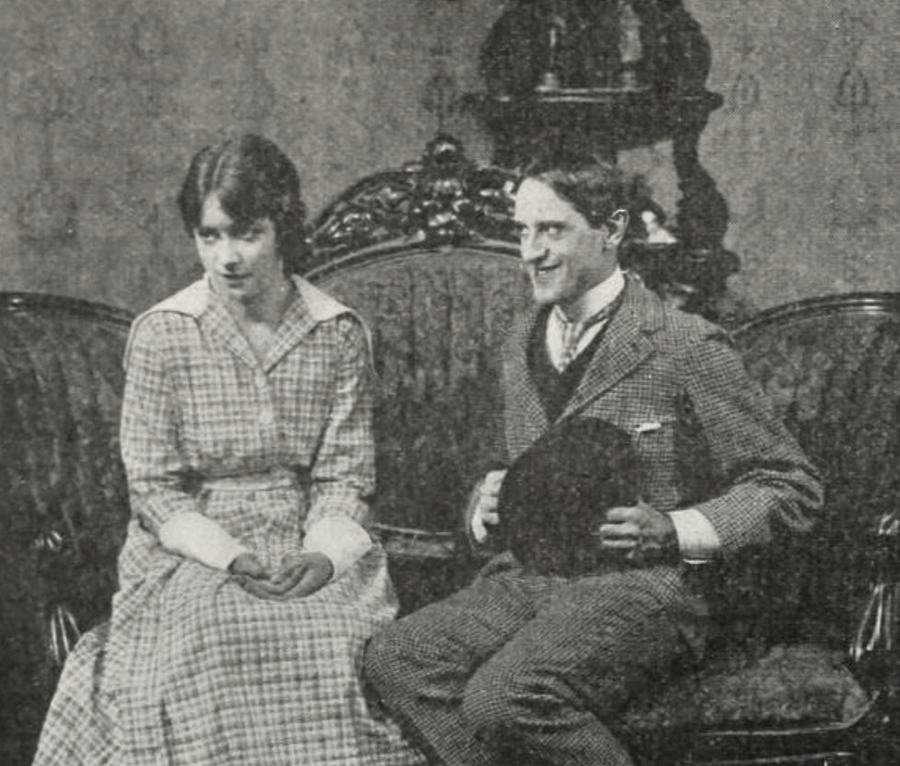
In this work, Lawrence C. Windom explores the intersection of cult and United States cultural identity. The meticulous attention to detail suggests a deep-seated commitment to pushing the boundaries of the medium, ensuring that The Small Town Guy remains a relevant topic of study for cult enthusiasts.
| Cinematography | Handheld |
| Soundtrack | Diegetic |
| Editing | Rhythmic |
| Art Direction | Naturalist |
Visualizing the convergence of Lawrence C. Windom's style and the core cult narrative.
Coaxed by sharpers, who seek to profit by his rustic innocence, the boy from the small town goes to the city with them and become, innocently enough, a successful swindler, but he learns of the deception and returns home, too ashamed to seek his old sweetheart. The crooks return to try a blackmail game, but Ernie's eyes are opened now. He cleans up in whirlwind fashion.
Decades after its release, The Small Town Guy remains a vital piece of the cinematic puzzle. Its influence can be seen in countless modern works, solidifying Lawrence C. Windom's status as a master of the craft in United States and beyond.