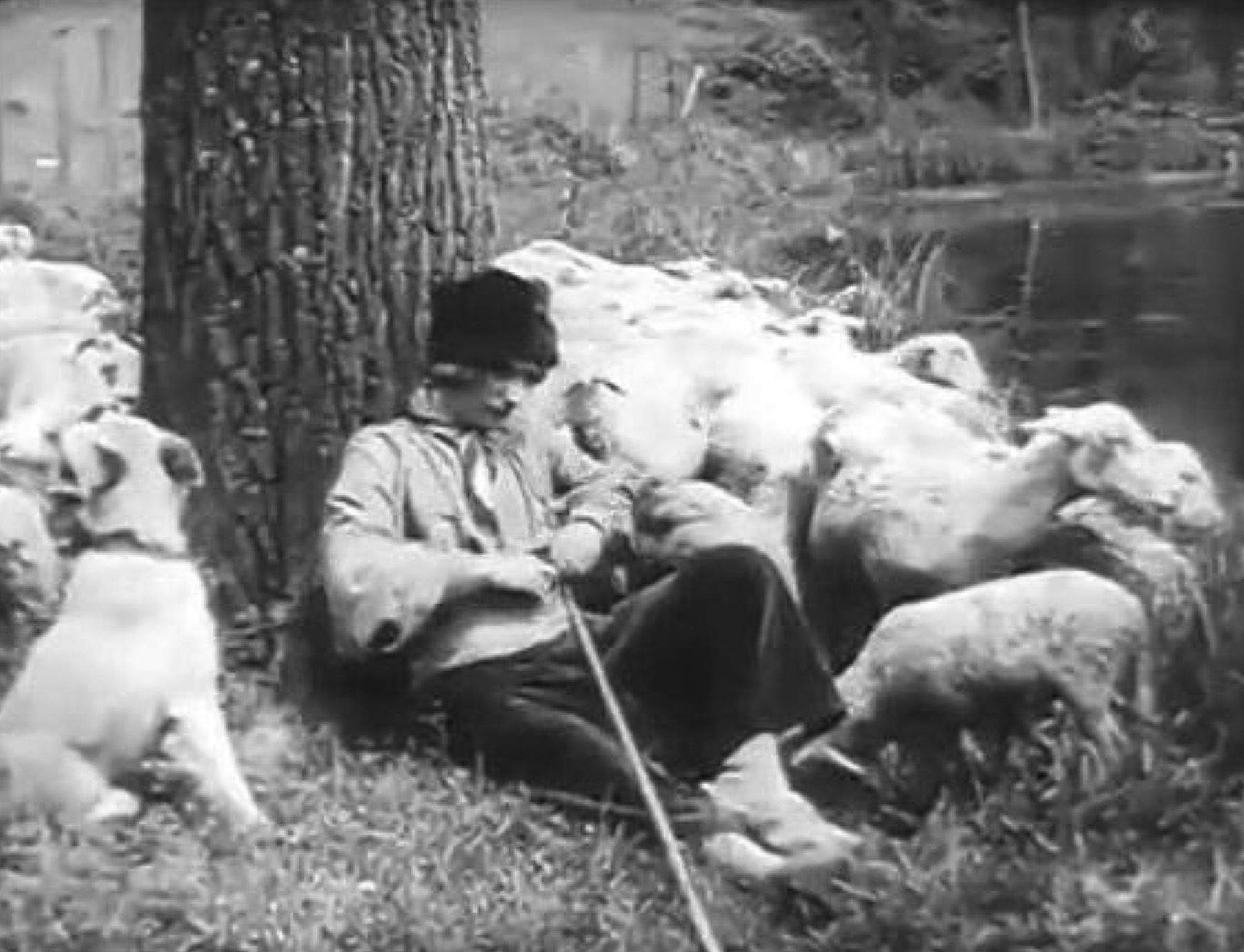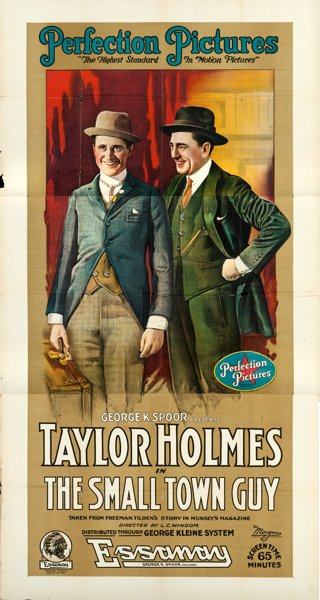
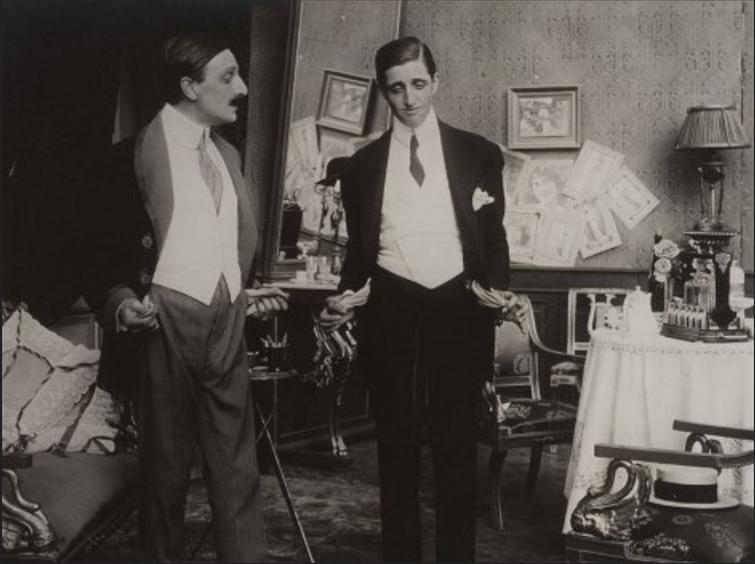
Coaxed by sharpers, who seek to profit by his rustic innocence, the boy from the small town goes to the city with them and become, innocently enough, a successful swindler, but he learns of the deception and returns home, too ashamed to seek his old sweetheart. The crooks return to try a blackmail game, but Ernie's eyes are opened now.
Freeman Tilden, H. Tipton Steck
United States
A nickelodeon parable that smells of sawdust and repentant tears—how Freeman Tilden’s fable of rustic virtue mugged by metropolitan guile still vibrates a century on. Strip the calendar back to 1923: flappers slap soles on asphalt, bootleg gin sloshes in teacups, and cinema, still toddling on celluloid legs, craves f...
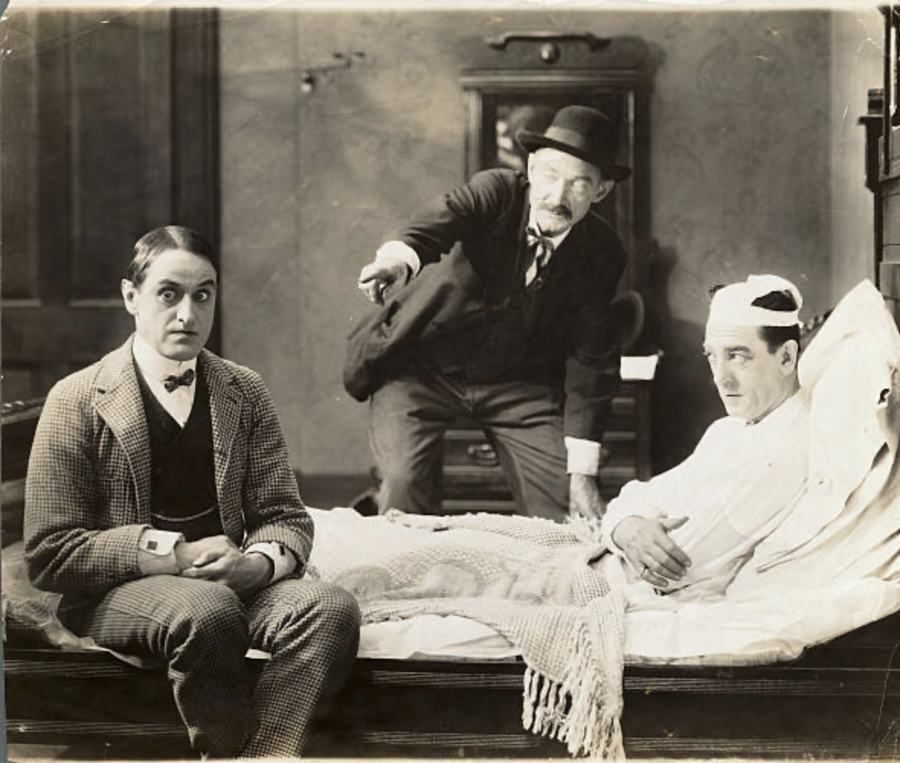
still_frame
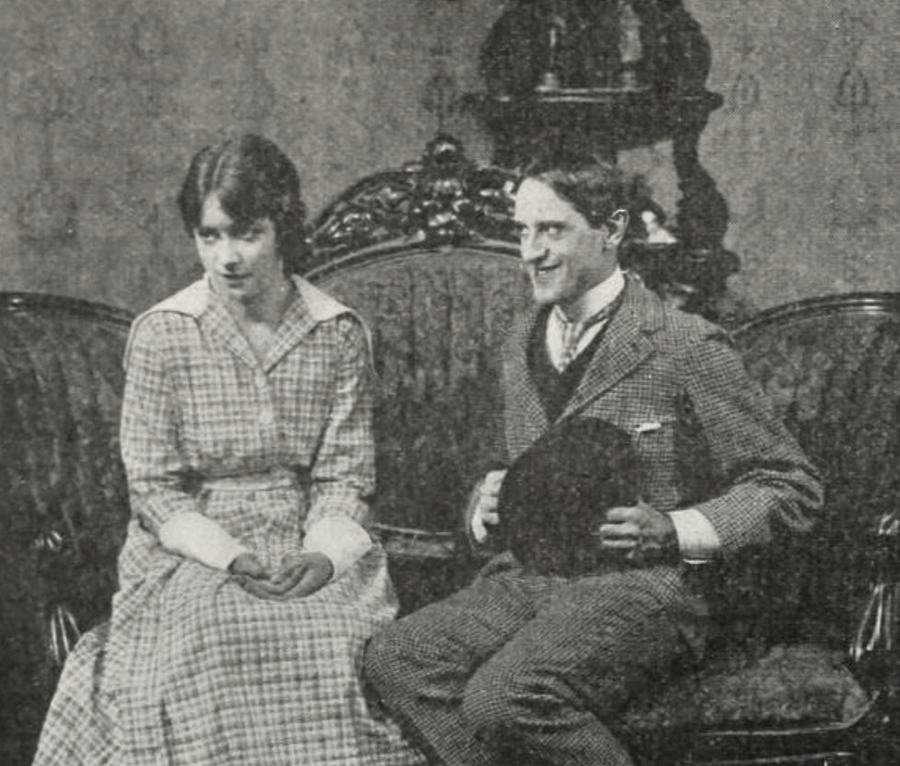
still_frame
Comparing the cinematic DNA and archive impact of two defining moments in cult history.
Lawrence C. Windom
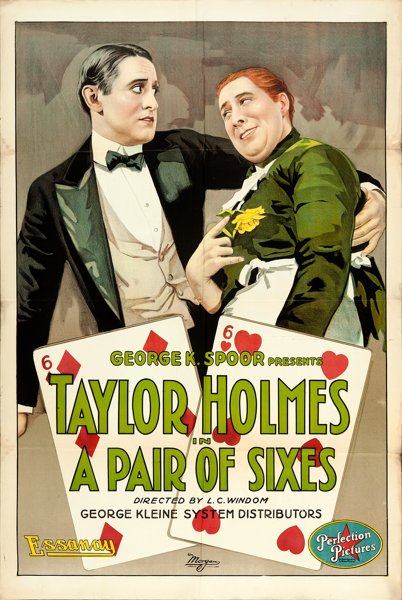
Lawrence C. Windom
Community
Log in to comment.
" A nickelodeon parable that smells of sawdust and repentant tears—how Freeman Tilden’s fable of rustic virtue mugged by metropolitan guile still vibrates a century on. Strip the calendar back to 1923: flappers slap soles on asphalt, bootleg gin sloshes in teacups, and cinema, still toddling on celluloid legs, craves fables that sermon without pulpit-pounding. Into that speakeasy zeitgeist arrives The Small Town Guy, a film whose very title flirts with condescension yet whose narrative sinews cl..."
Deep dive into the cult classic
Discover similar cinematic experiences
A Directorial Spotlight on Lawrence C. Windom