
DbcultAccessing Vault...
Director's Spotlight
Senior Film Conservator
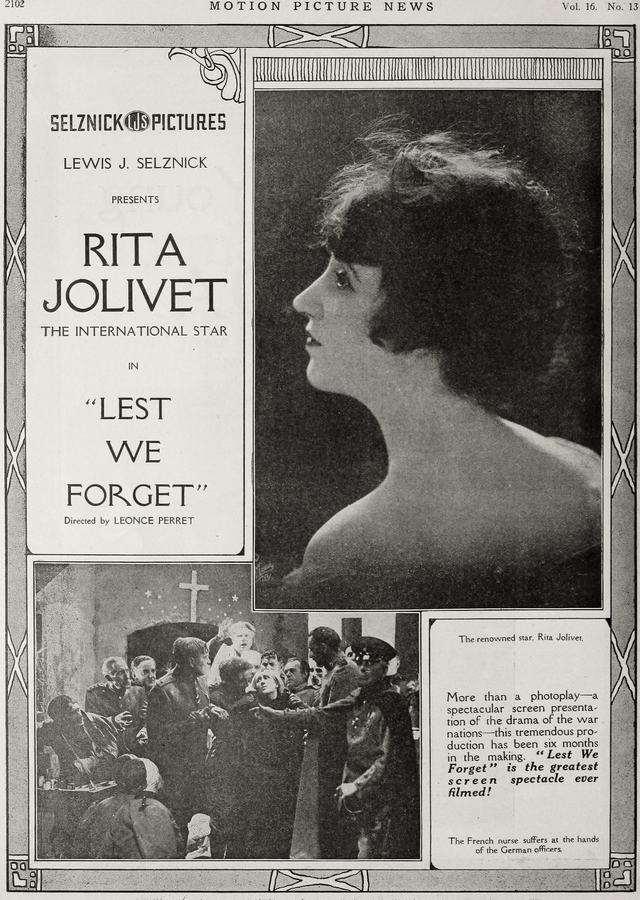
Director's Spotlight: United States
A Deep Dive into the 1918 Vision of Léonce Perret
In the grand tapestry of cult cinema, Lest We Forget serves as a bridge between the bold experimentation that has become synonymous with Léonce Perret. Breaking the traditional rules of cult engagement, it highlights the importance of independent voices in United States.
In Lest We Forget, Léonce Perret pushes the boundaries of conventional narrative. The film's unique approach to its subject matter has sparked endless debates and interpretations among cinephiles and critics alike.
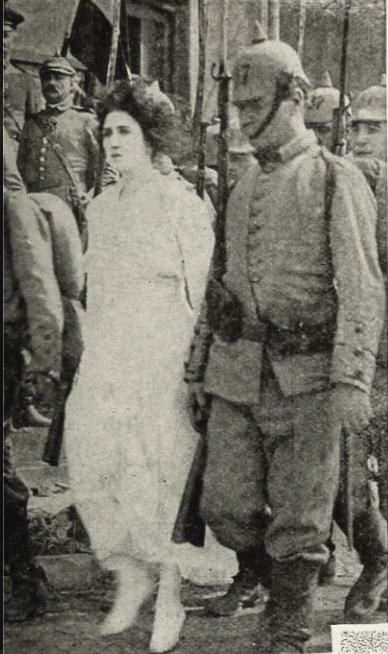
To fully appreciate Lest We Forget, one must consider the cinematic climate of 1918. During this period, United States was undergoing significant artistic shifts, and Léonce Perret was at the forefront of this cult movement, often challenging established norms.
| Cinematography | Noir-Inspired |
| Soundtrack | Diegetic |
| Editing | Elliptical |
| Art Direction | Expressionist |
Visualizing the convergence of Léonce Perret's style and the core cult narrative.
A story of the First World War, told in semi-documentary style, focusing on the iniquities of the German war machine, and with its dramatic center the sinking by a German U-boat of the passenger liner Lusitania in 1915.
Decades after its release, Lest We Forget remains a vital piece of the cinematic puzzle. Its influence can be seen in countless modern works, solidifying Léonce Perret's status as a master of the craft in United States and beyond.