
DbcultAccessing Vault...
Director's Spotlight
Senior Film Conservator
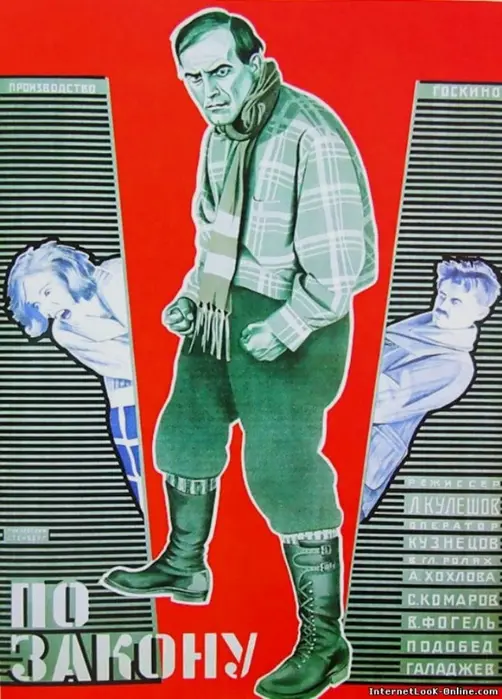
Director's Spotlight: Soviet Union
A Deep Dive into the 1926 Vision of Lev Kuleshov
Few works in Soviet Union cinema carry the same weight as By the Law, especially regarding the cultural zeitgeist captured so perfectly by Lev Kuleshov in 1926. Utilizing a 1926-specific aesthetic that remains timeless, it serves as a blueprint for future generations of Action directors.
In By the Law, Lev Kuleshov pushes the boundaries of conventional narrative. The film's unique approach to its subject matter has sparked endless debates and interpretations among cinephiles and critics alike.
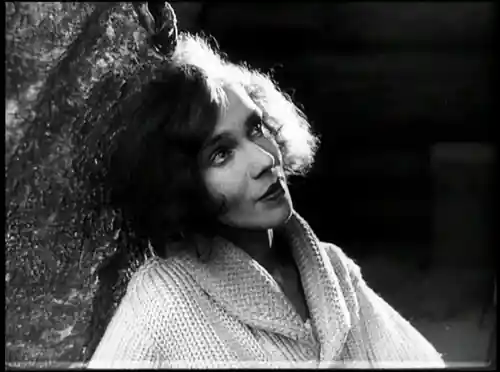
The visual language of By the Law is defined by its use of shadows and framing, a hallmark of Lev Kuleshov's style. By utilizing a 1926-era palette, the film creates an immersive experience that perfectly complements its Action themes.
| Cinematography | High-Contrast |
| Soundtrack | Diegetic |
| Editing | Elliptical |
| Art Direction | Expressionist |
Visualizing the convergence of Lev Kuleshov's style and the core Action narrative.
A five-person team of gold prospectors in the Yukon has just begun to enjoy great success when one of the members snaps, and suddenly kills two of the others. The two survivors, a husband and wife, subdue the killer but are then faced with an agonizing dilemma. With no chance of turning him over to the authorities for many weeks, they must decide whether to exact justice themselves or to risk trying to keep him restrained until they can return to civilization.
Decades after its release, By the Law remains a vital piece of the cinematic puzzle. Its influence can be seen in countless modern works, solidifying Lev Kuleshov's status as a master of the craft in Soviet Union and beyond.