
DbcultAccessing Vault...
Director's Spotlight
Senior Film Conservator
Director's Spotlight: United States
A Deep Dive into the 1920 Vision of Lloyd Ingraham
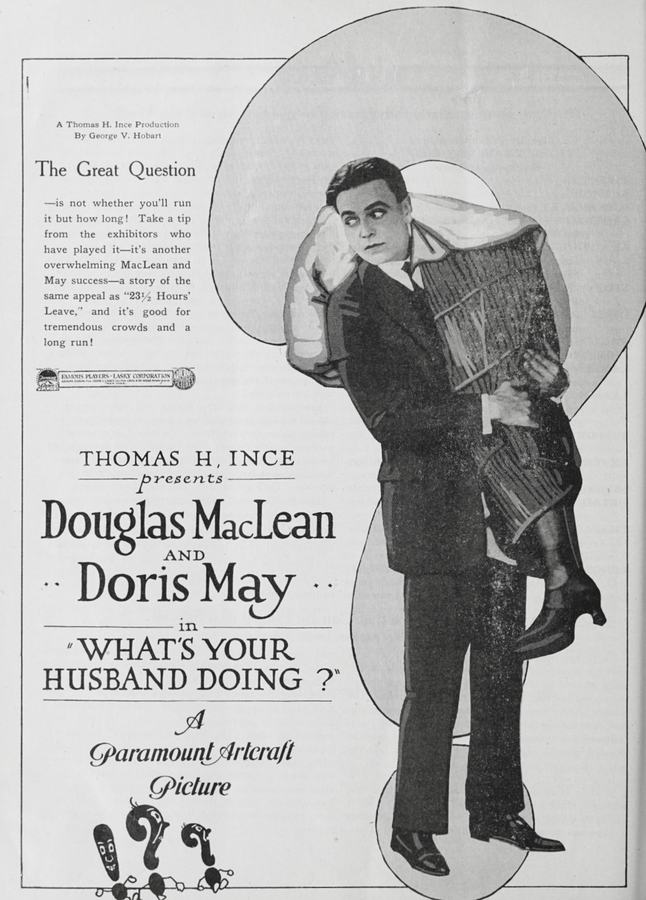
Witnessing the stylistic transformation of Comedy through What's Your Husband Doing? reveals the provocative questions that Lloyd Ingraham poses to the United States audience. Exploring the nuances of the human condition with Comedy flair, it showcases the power of Comedy as a tool for social commentary.
In What's Your Husband Doing?, Lloyd Ingraham pushes the boundaries of conventional narrative. The film's unique approach to its subject matter has sparked endless debates and interpretations among cinephiles and critics alike.
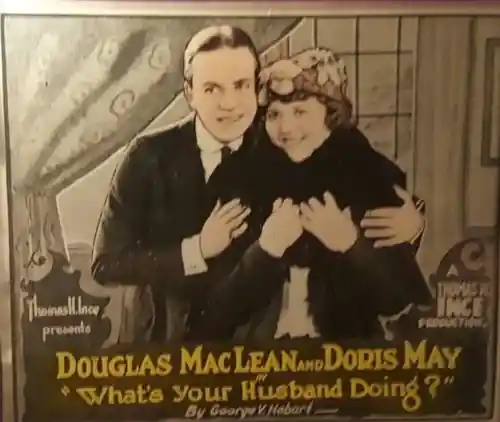
The visual language of What's Your Husband Doing? is defined by its use of shadows and framing, a hallmark of Lloyd Ingraham's style. By utilizing a 1920-era palette, the film creates an immersive experience that perfectly complements its Comedy themes.
| Cinematography | Noir-Inspired |
| Soundtrack | Minimalist |
| Editing | Disjunctive |
| Art Direction | Baroque |
Visualizing the convergence of Lloyd Ingraham's style and the core Comedy narrative.
Beatrice Ridley suspects her new husband of infidelity because he continually receives letters from the notorious café, the Honeysuckle Inn. Beatrice consults lawyer John P. Widgast, who, with his partner Charley Pidgeon, specializes in "converting matrimony into alimony." The wives of the lawyers object to their husbands' practice, but plan a dinner for them at the Honeysuckle Inn. Widgast has promised to help Beatrice shadow her husband there, while Pidgeon has promised to give legal aid to the husband, who is foreclosing his silent partnership in the inn's management. The three couples all meet unexpectedly at the inn, which is raided that night. All six spend the night in jail, but everything is explained in court the next morning.
Decades after its release, What's Your Husband Doing? remains a vital piece of the cinematic puzzle. Its influence can be seen in countless modern works, solidifying Lloyd Ingraham's status as a master of the craft in United States and beyond.