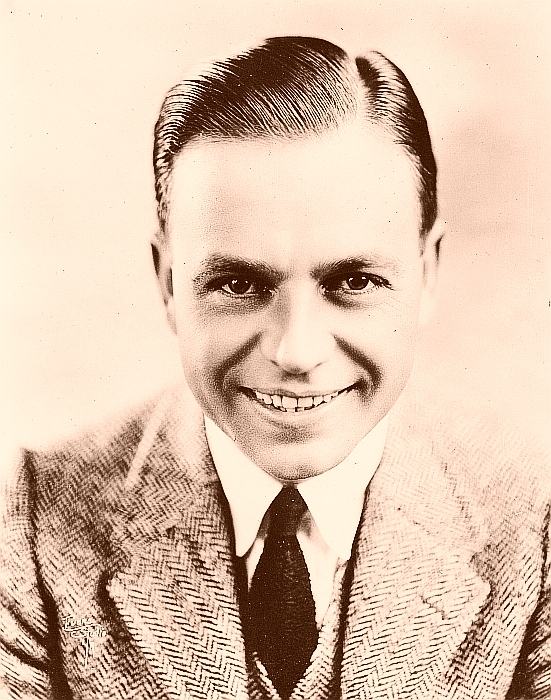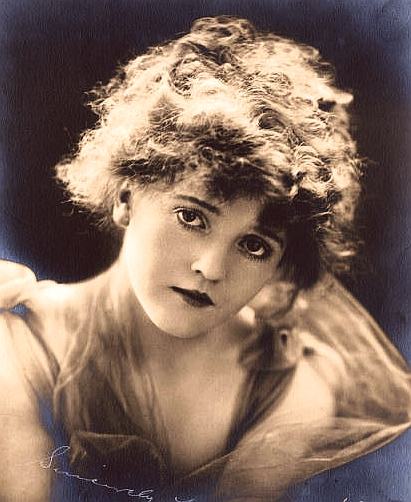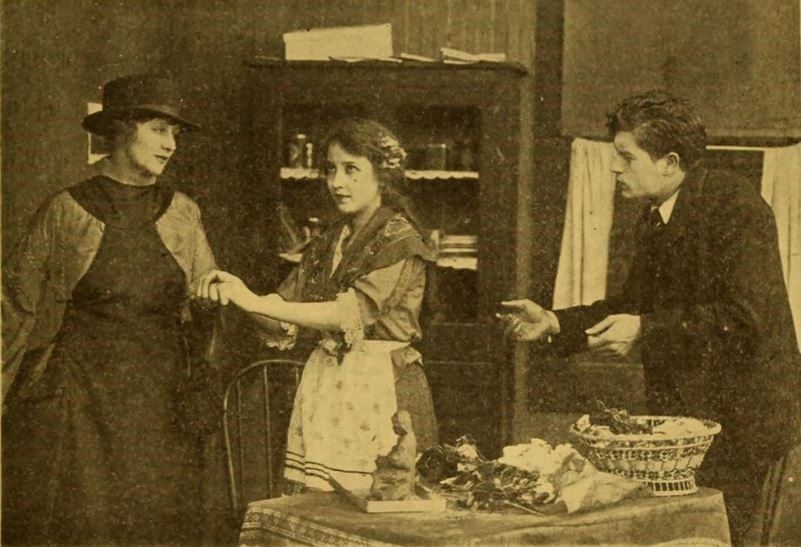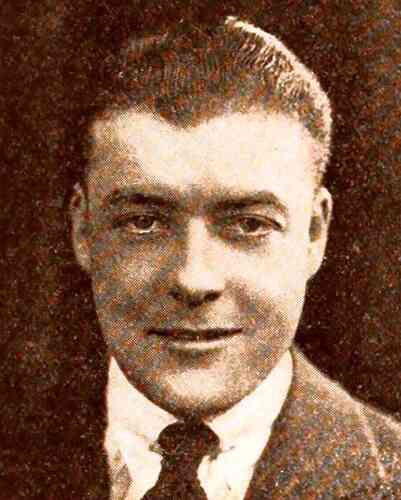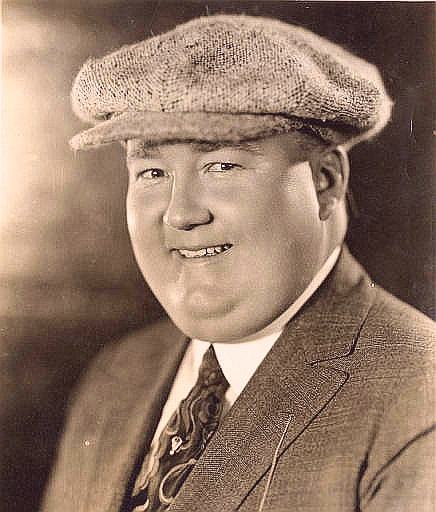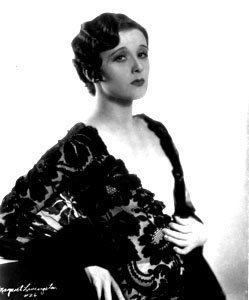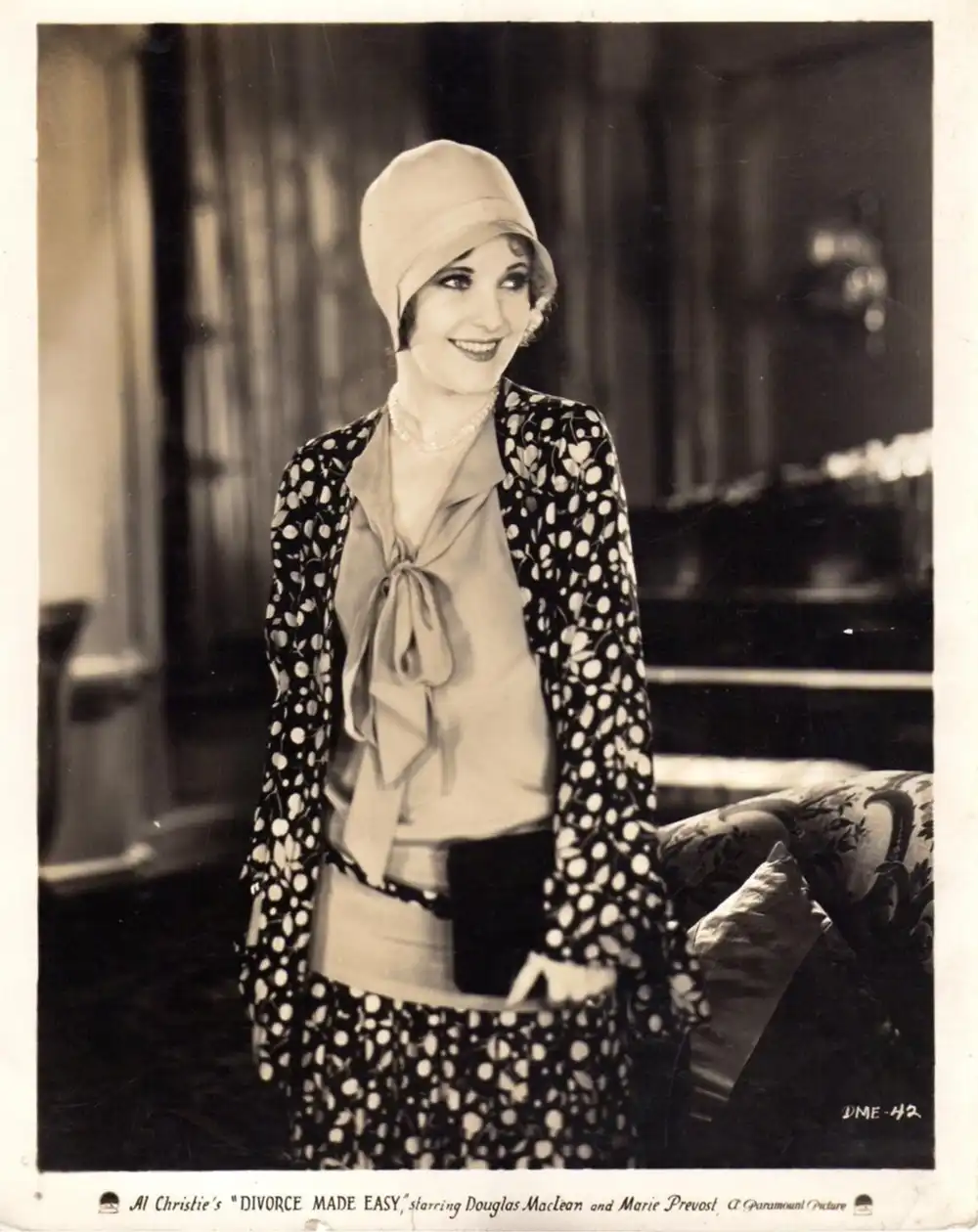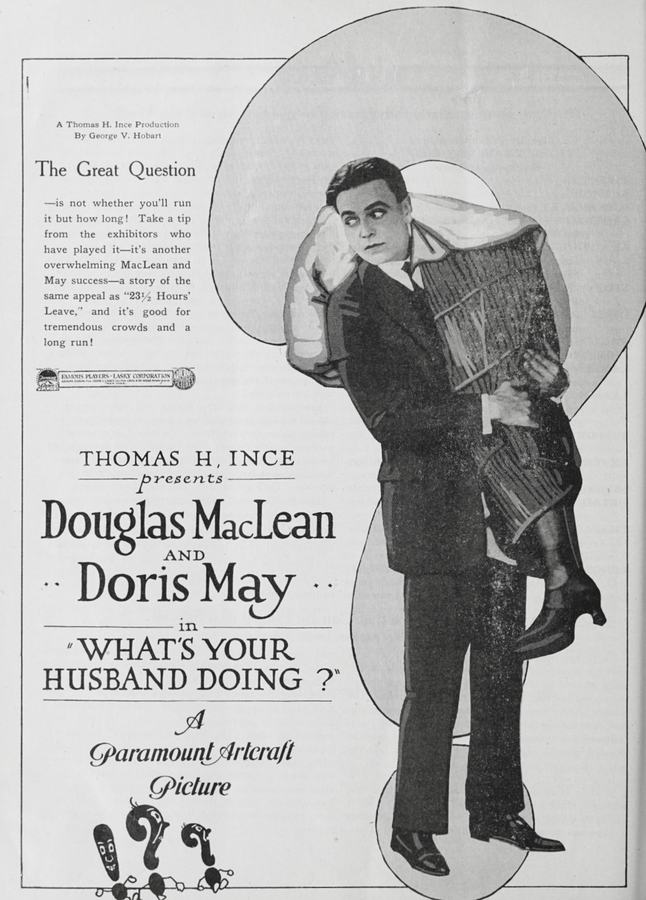
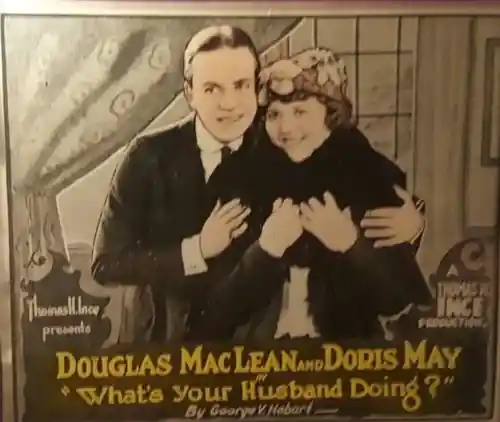
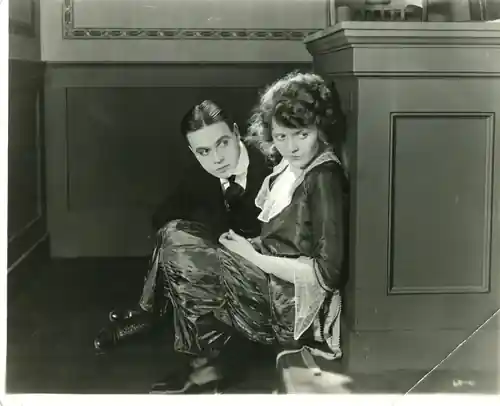
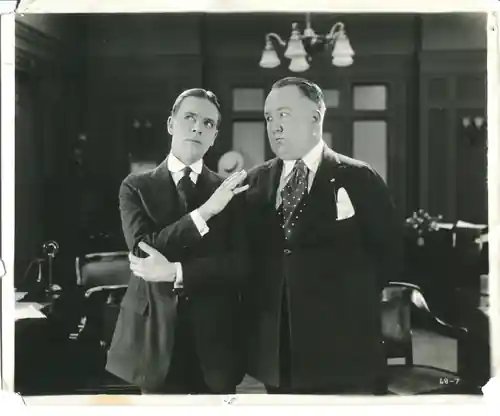
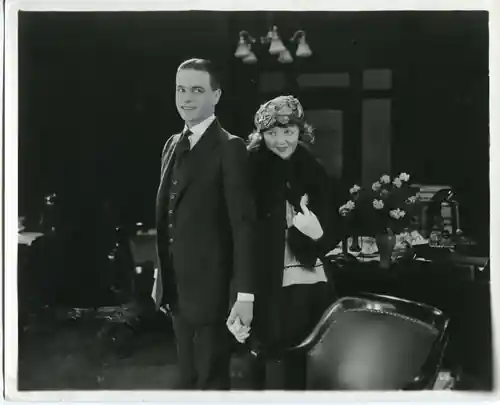
Beatrice Ridley suspects her new husband of infidelity because he continually receives letters from the notorious café, the Honeysuckle Inn. Beatrice consults lawyer John P.
A champagne-cork of a film that ricochets from drawing-room to speakeasy to courthouse, What’s Your Husband Doing? (1923) survives as a brittle, breathless snapshot of post-Victorian marriage anxiety—yet unlike the moral scarlet-lettering of East Lynne, this picture prefers to tickle the scar rather than cauterize it....
production_art
still_frame
still_frame
still_frame
Comparing the cinematic DNA and archive impact of two defining moments in cult history.
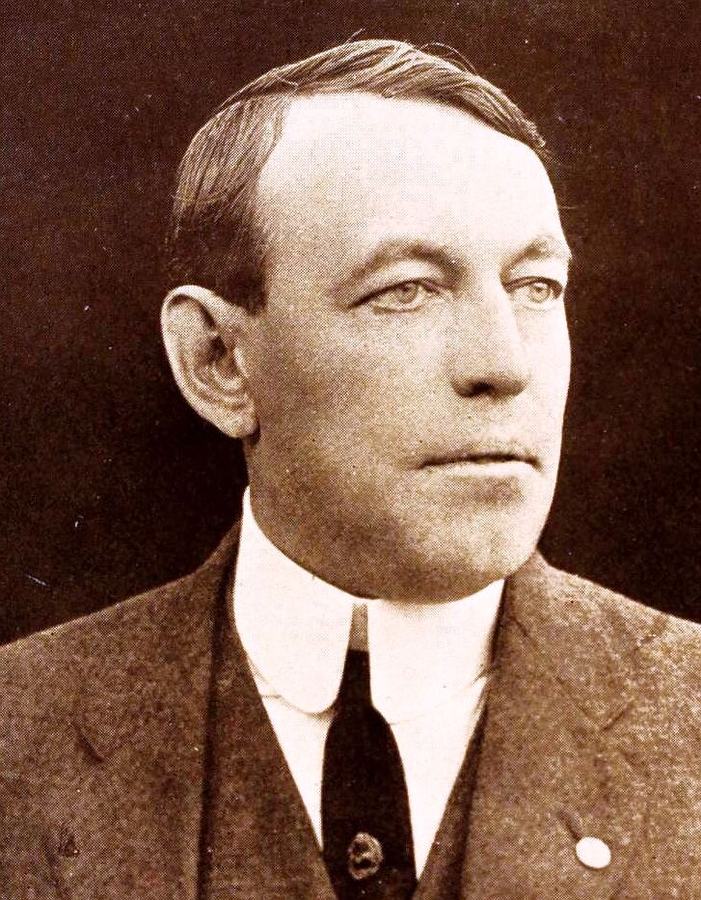
Lloyd Ingraham
Lloyd Ingraham
Community
Log in to comment.
" A champagne-cork of a film that ricochets from drawing-room to speakeasy to courthouse, What’s Your Husband Doing? (1923) survives as a brittle, breathless snapshot of post-Victorian marriage anxiety—yet unlike the moral scarlet-lettering of East Lynne, this picture prefers to tickle the scar rather than cauterize it. Beatrice Ridley, incarnated by Alice Wilson with darting eyes that seem perpetually mid-blink, enters her honeymoon already haunted by ledgers of doubt; every creak of the dumbwa..."
George V. Hobart, R. Cecil Smith
United States
Deep dive into the cult classic
Discover similar cinematic experiences
A Directorial Spotlight on Lloyd Ingraham