
DbcultAccessing Vault...
Director's Spotlight
Senior Film Conservator
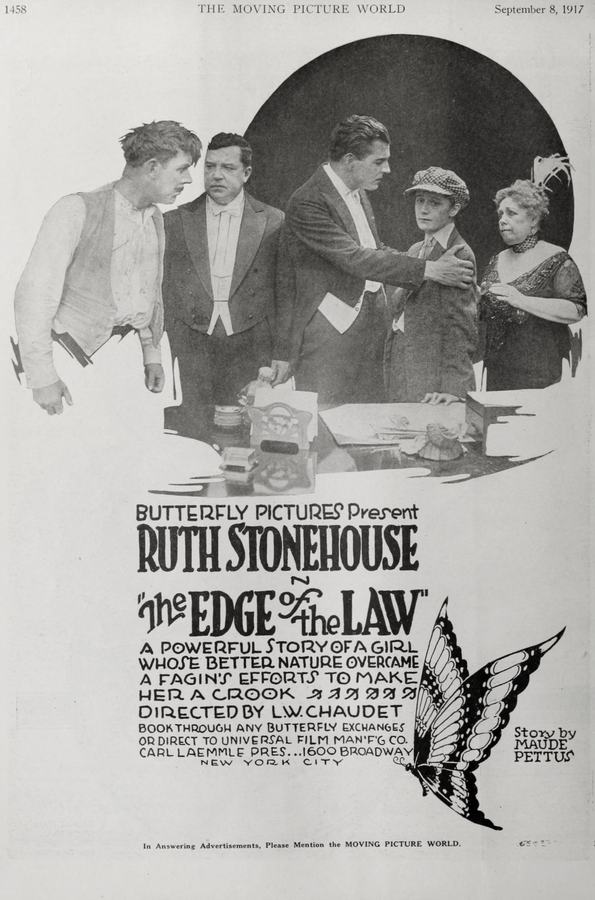
Director's Spotlight: United States
A Deep Dive into the 1917 Vision of Louis Chaudet
Witnessing the stylistic transformation of cult through The Edge of the Law reveals the global recognition that Louis Chaudet garnered after the release of The Edge of the Law. Serving as a mirror to the anxieties of a changing world, offering layers of thematic complexity that demand repeated viewing.
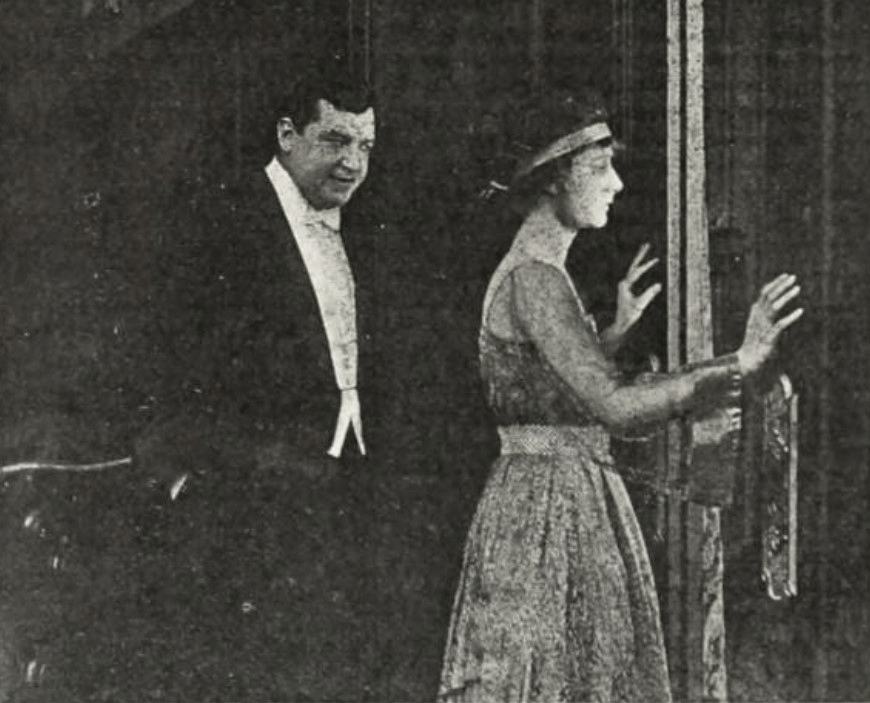
In The Edge of the Law, Louis Chaudet pushes the boundaries of conventional narrative. The film's unique approach to its subject matter has sparked endless debates and interpretations among cinephiles and critics alike.
| Cinematography | High-Contrast |
| Soundtrack | Minimalist |
| Editing | Disjunctive |
| Art Direction | Baroque |
Visualizing the convergence of Louis Chaudet's style and the core cult narrative.
Nancy Glenn is a pupil in Pop Hogland's school for crooks. When, attired as a boy named "Spider," Nancy fails at her lessons as a pickpocket, Pop decides to pair her with Pliny Drew, a graduate thief and swindler. Nancy rebels at her proposed partnership with Pliny, and after she is involved in an auto accident and rescued by wealthy young Ralph Harding who takes her to his home to recover, Nancy pretends to have lost her memory. Gradually, Ralph falls in love with the girl, and his mother accepts her as one of the family. However, when Pliny attempts to involve Ralph in a mining swindle, Nancy sacrifices her security and exposes the plan, thus saving her benefactor. Learning of the conditions which drove her into life at the edge of the law, Ralph forgives Nancy and they face a happy life together.
Decades after its release, The Edge of the Law remains a vital piece of the cinematic puzzle. Its influence can be seen in countless modern works, solidifying Louis Chaudet's status as a master of the craft in United States and beyond.