
Cult Cinema
The Luminescent Outlaw: Decoding the Primal Transgressions and Eccentric Shadows of Cinema’s First Underground Wave
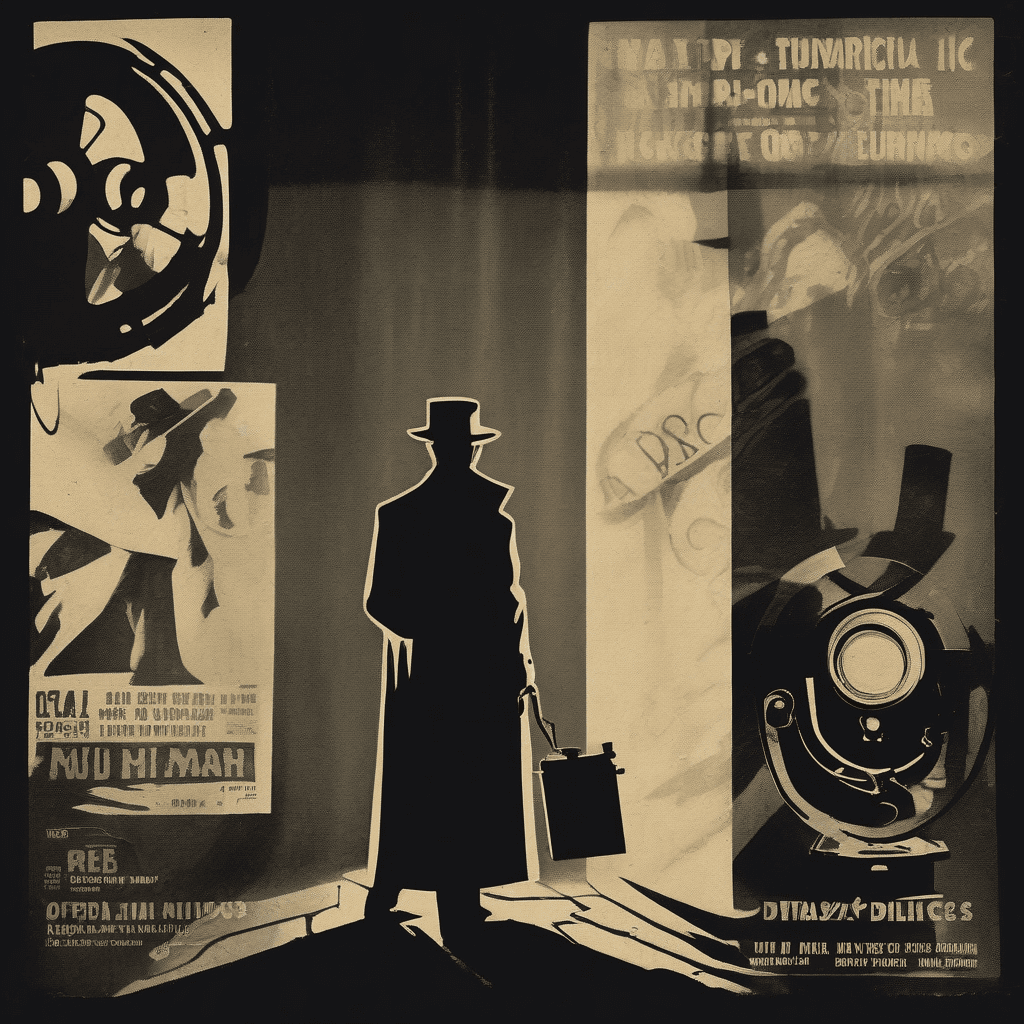
“An in-depth exploration of how the silent era's most daring misfits and narrative anomalies laid the groundwork for modern cult cinema's transgressive spirit.”
When we speak of cult cinema, the mind often drifts to the neon-drenched midnight screenings of the 1970s, the sticky floors of the Grindhouse era, or the campy excess of 1980s horror. However, the genetic blueprint of the cult film—that elusive, rebellious entity that thrives on the margins of mainstream acceptance—was drafted much earlier. It was born in the flickering shadows of the silent era, among the misfits, the outcasts, and the narrative anomalies that refused to adhere to the burgeoning conventions of Hollywood. These early works were not just films; they were transgressive manifestos that challenged social hierarchies, moral certainties, and the very structure of cinematic storytelling.
The Genesis of the Misfit Archetype
At the heart of every cult classic is the 'misfit'—a character or a narrative voice that exists outside the comfortable boundaries of the status quo. In the early 20th century, this archetype was already being forged in works like Doing Their Bit (1918). While ostensibly a tale of war-time tragedy, the film’s peculiar setup—involving children accidentally locked in a room while their family deals with the fallout of the Great War—introduces a sense of claustrophobic anxiety that would later become a staple of cult thrillers. It is this willingness to lean into the uncomfortable, to let the narrative drift into the accidental and the strange, that marks the beginning of the cult sensibility.
Similarly, The Porters (1916) turns the lens toward the invisible labor of hotel bell boys. By focusing on the 'six-to-six' grind of the working class, early filmmakers were tapping into a counter-cultural energy. Cult cinema has always been the domain of the disenfranchised, and by elevating the trials of the service class into a central narrative, these films provided a voice for the 'other' long before the term was codified by film theorists. These were not the grand epics of kings and queens, but the gritty, often humorous, and sometimes tragic realities of those living on the periphery.
Subverting the Social Order: Class, Greed, and the Gilded Cage
Cult cinema often serves as a mirror to the anxieties of its time, frequently subverting the expectations of the upper classes. Mrs. Plum’s Pudding (1915) offers a fascinating prototype of the 'fish-out-of-water' cult comedy. When a ranch family strikes oil and attempts to infiltrate high society, the resulting clash is not just humorous—it is a scathing indictment of the British fortune hunters and social climbers who populate the urban landscape. This theme of 'the outsider looking in' is a cornerstone of the cult experience, allowing the audience to sympathize with the uncouth but honest protagonist against a backdrop of sophisticated hypocrisy.
This subversion takes a darker turn in The Fear of Poverty (1916). Here, the narrative explores the psychological trauma of economic instability, as a mother’s obsession with luxury dictates the life of her daughter. This kind of psychological melodrama, which prioritizes internal obsession over external action, prefigures the intense character studies found in later cult masterpieces. The film doesn't just tell a story; it probes a neurosis, creating an atmosphere of dread that feels remarkably modern. It suggests that the true monsters of cinema aren't always found in the shadows, but in the desperate clinging to social status.
The Female Mastermind and the Proto-Noir
Long before the femme fatale was cemented in the 1940s, early cinema was experimenting with complex, often morally ambiguous female leads. Wanted at Headquarters (1920) presents us with Kate Westhanger, a criminal mastermind who infiltrates a gold syndicate. Her ability to operate undetected, using her gender as a shield while orchestrating a gang of crooks, is a classic cult trope. It challenges the traditional 'damsel in distress' narrative, offering instead a woman who is the architect of her own destiny, however illicit that destiny may be.
We see a different side of this coin in The Butterfly Girl (1921), where a woman’s ambition to be surrounded by admirers leads her into the treacherous waters of the city. These films captured the urban anxiety of the era—the sense that the city was a place where identities could be forged and destroyed in an instant. This fluidity of identity is a key component of the cult film’s allure; it reflects the audience’s own desire to reinvent themselves, to escape the mundane and enter the realm of the extraordinary.
The Architecture of the Uncanny: Mystery and the Macabre
The 'weird' has always had a home in cult cinema. In the silent era, this often manifested as a fascination with the occult, the mysterious, and the inexplicable. The Red Circle (1922) brings a classic Sherlock Holmes mystery to the screen, but with a twist that emphasizes the voyeuristic nature of the detective genre. A lodger who pays a high fee only to disappear completely creates a vacuum of information that the audience is invited to fill with their own fears. This 'cinema of the unseen' is a powerful tool in the cult filmmaker’s arsenal, relying on suggestion and shadow rather than explicit detail.
Then there is Shadows (1922), a film that deals with the conversion of a dying Chinese man to Christianity to protect a friend from blackmail. The intersection of race, religion, and sacrifice creates a narrative that is both deeply moving and inherently provocative. By placing a marginalized figure at the center of a moral crisis, the film forces the audience to confront their own biases. Cult cinema thrives on this kind of moral complexity, refusing to provide easy answers and instead leaving the viewer in a state of contemplative unease.
Genre Mutations: The Hybrid and the Bizarre
One of the defining characteristics of cult cinema is its refusal to stay within the lines of a single genre. Something New (1920) is a prime example of this narrative dissidence. It takes the tropes of the Western—the kidnapping, the Mexican bandits, the remote hideout—and replaces the traditional horse with a car. This technological intrusion into a primal landscape creates a jarring, almost surreal effect. It is a 'genre mutation' that signals a shift in the collective consciousness, reflecting a world where the old ways are being rapidly overtaken by the new.
Even the seemingly innocent The Big Show (1926), featuring children putting on an 'imitation circus,' carries a hint of the uncanny. There is something inherently strange about children mimicking the adult world, a theme that has been explored in cult horror and fantasy for decades. These early experiments in tone and setting provided the foundation for the 'weird' cinema that would follow, proving that an audience's appetite for the unconventional is as old as the medium itself.
The International Maverick: Global Roots of Subversion
The spirit of cult cinema was never confined to a single country. In Italy, Tigre Reale (1916) showcased the 'diva' film, a genre that focused on the tragic, often over-the-top lives of aristocratic women. The portrayal of a Russian countess with a revolutionary past and a tragic marriage is pure melodramatic gold. It is excessive, it is stylized, and it is deeply emotional—all hallmarks of the cult aesthetic. These films were not interested in realism; they were interested in the 'truth' of the human heart, expressed through grand gestures and haunting cinematography.
Meanwhile, in Romania, Cetatea Neamtului (1914) offered a historical epic that focused on a small group of defenders against a massive army. This 'underdog' narrative is another essential element of the cult mythos. Whether it’s a group of Moldavians defending a citadel or a group of teenagers fighting a slasher, the defiance against overwhelming odds resonates with audiences who feel like they are fighting their own battles against a monolithic system.
The Legacy of the Silent Outlaw
As we look back at these fifty or so films, we see more than just historical curiosities. We see the birth of a movement. From the judicial critique of Crainquebille (1922), where a poor peddler is crushed by a corrupt system, to the high-stakes jewel thievery of Raffles, the Amateur Cracksman (1917), these films were exploring the boundaries of morality and law. They were asking questions that the mainstream was not yet ready to answer.
The cult film is, at its core, an act of rebellion. It is a refusal to be forgotten, even when the industry moves on to the next big thing. The silent era’s 'outcasts'—the films that were too strange, too dark, or too unconventional for their time—have found a second life in the digital age. They are the ancestors of the midnight movie, the progenitors of the indie revolution, and the eternal flame that keeps the spirit of cinematic dissent alive. When we watch a modern cult classic, we are not just watching a movie; we are participating in a tradition of subversion that began over a century ago in the flickering light of the silent screen.
Ultimately, the power of these films lies in their ability to connect with us across time. Whether it’s the mischief of The Little Diplomat (1919) or the desperate stock-market gambles in To Honor and Obey (1917), the human experience remains constant. We are all, in some way, misfits looking for our place in the world. And as long as there are filmmakers willing to tell the stories of the outcasts, the luminescent outlaw of cult cinema will continue to shine, lighting the way for the next generation of rebels, dreamers, and cinematic deviants.
Community
Comments
Log in to comment.
Loading comments…