
Cult Cinema Deep Dive
The Maverick's Echo: Tracing Cult Cinema's Unconventional Lineage from Early Film's Rebel Heart
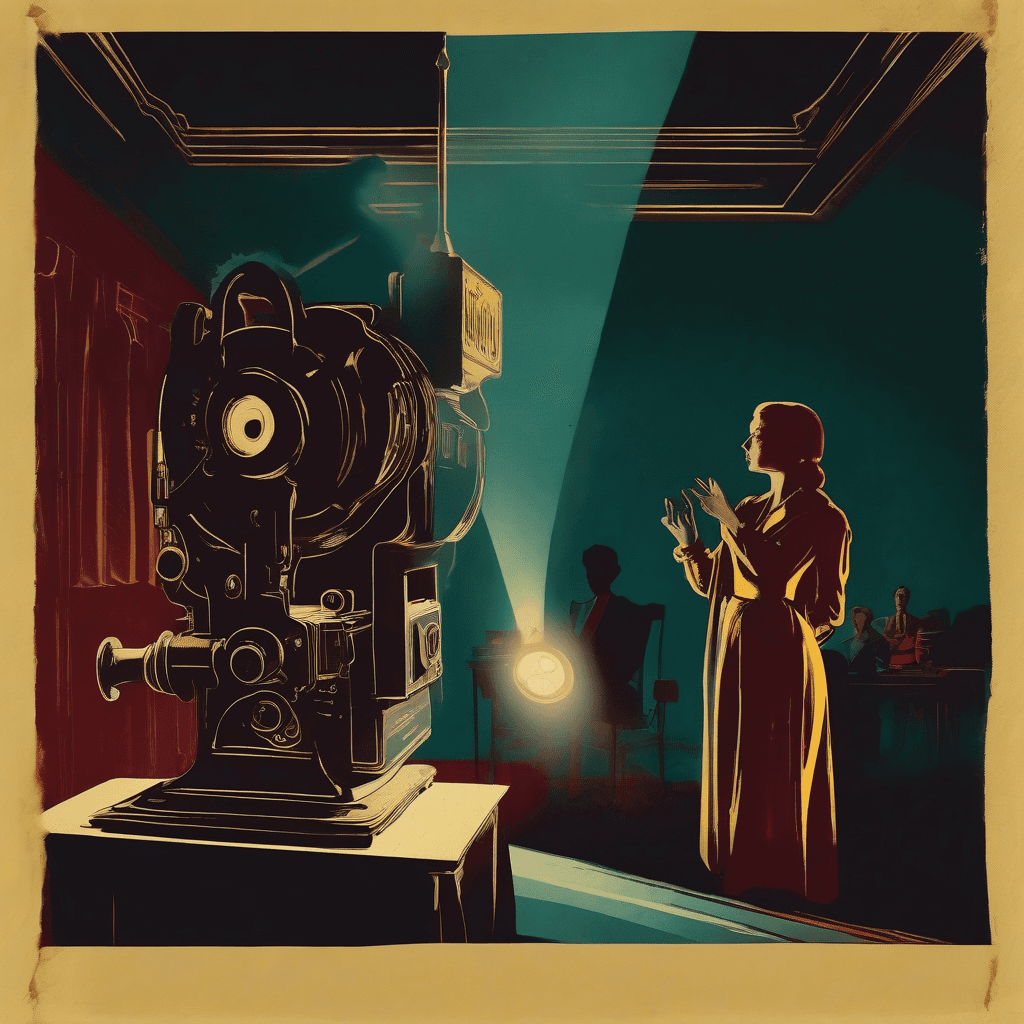
“Cult cinema, often associated with midnight screenings and niche fandoms, has roots far deeper than commonly perceived, stretching back to the earliest days of filmmaking where maverick visions defied conventional narratives and forged an enduring legacy of cinematic rebellion.”
The term 'cult cinema' conjures images of fervent midnight screenings, dedicated fan communities, and narratives that gleefully defy mainstream sensibilities. Films like The Rocky Horror Picture Show or Eraserhead are often cited as prime examples, celebrated for their transgressive themes, idiosyncratic aesthetics, and the passionate, almost ritualistic devotion they inspire. Yet, to truly understand the enduring allure of cult cinema, one must delve deeper, beyond the familiar touchstones of the 1970s and 80s, back to the silent era and the nascent years of the moving picture. It is here, in the flickering shadows of early film, that the fundamental maverick spirit and subversive DNA of cult cinema first began to coalesce.
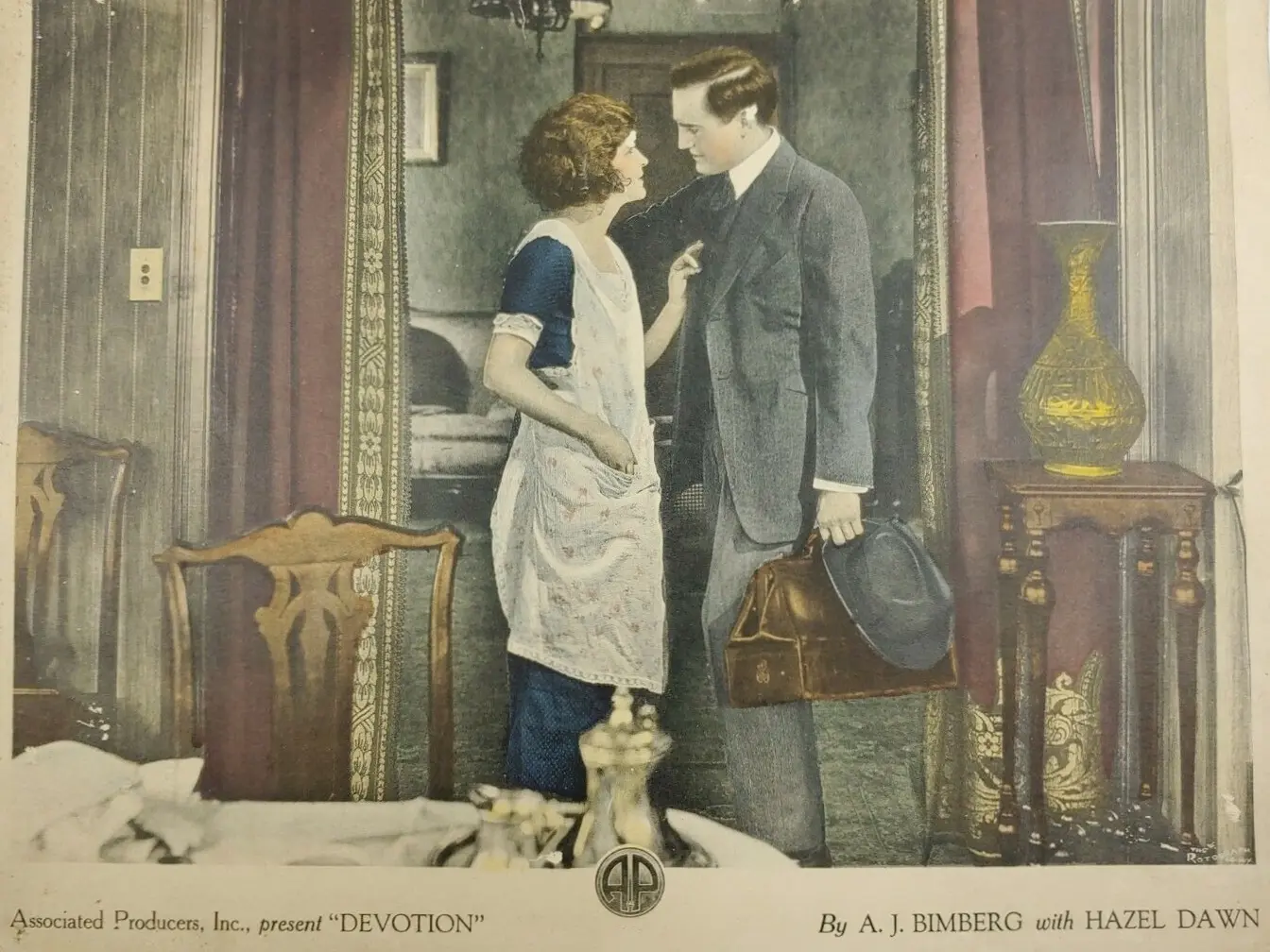
The earliest filmmakers, unburdened by established conventions, were inherently experimental. They were pioneers, often working outside rigid studio systems, free to explore narratives and visual styles that were, by modern standards, profoundly unconventional. Many of these early works, now largely forgotten by the mainstream, resonated with audiences in ways that foreshadowed later cult phenomena. They offered glimpses into forbidden desires, societal anxieties, and the sheer joy of the absurd, laying the groundwork for films that would later be reclaimed, re-evaluated, and revered by dedicated cinephiles.
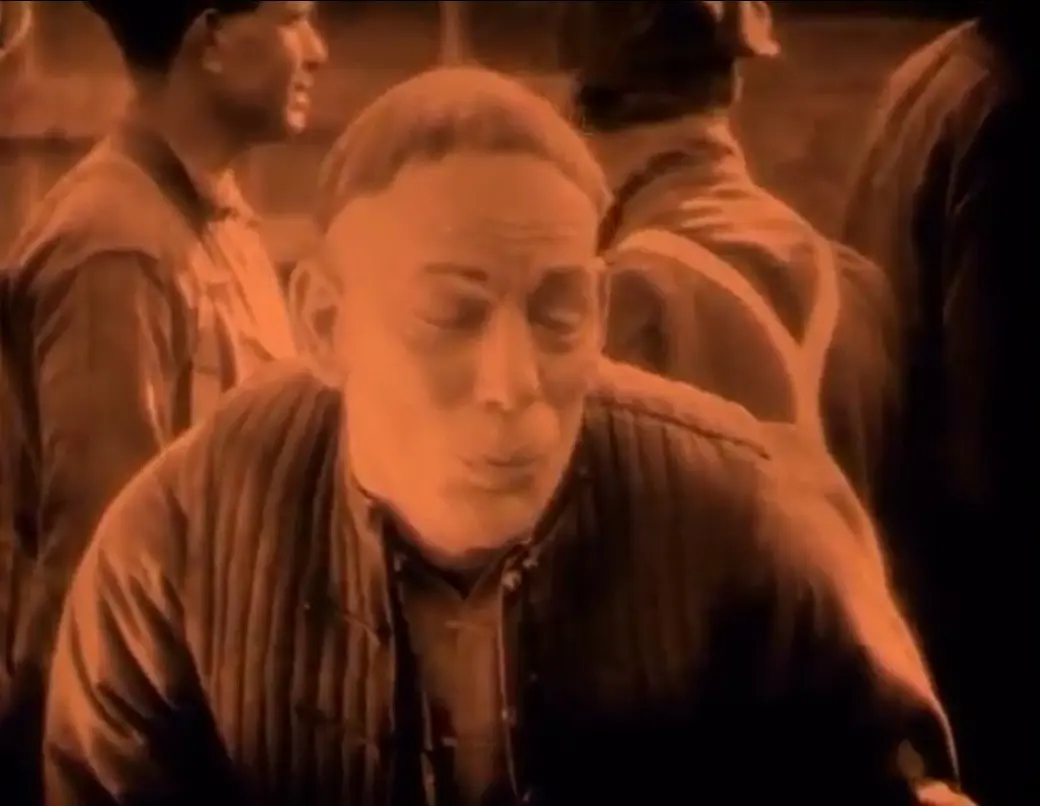
The Proto-Cult Narrative: Outcasts, Obsession, and the Forbidden
Even in its infancy, cinema was a powerful mirror reflecting humanity's deepest fears and most fervent obsessions. Early narratives frequently explored themes of moral transgression, social ostracization, and the unleashed id. Stories of individuals pushed to the fringes of society, whether by circumstance or choice, found a receptive audience. Consider narratives where protagonists, driven by primal instincts or desperate situations, break societal taboos. From heroes forced into outlawry after acts of vengeance, to women navigating treacherous moral landscapes to save loved ones, these films showcased characters whose struggles resonated with those who felt alienated or misunderstood.
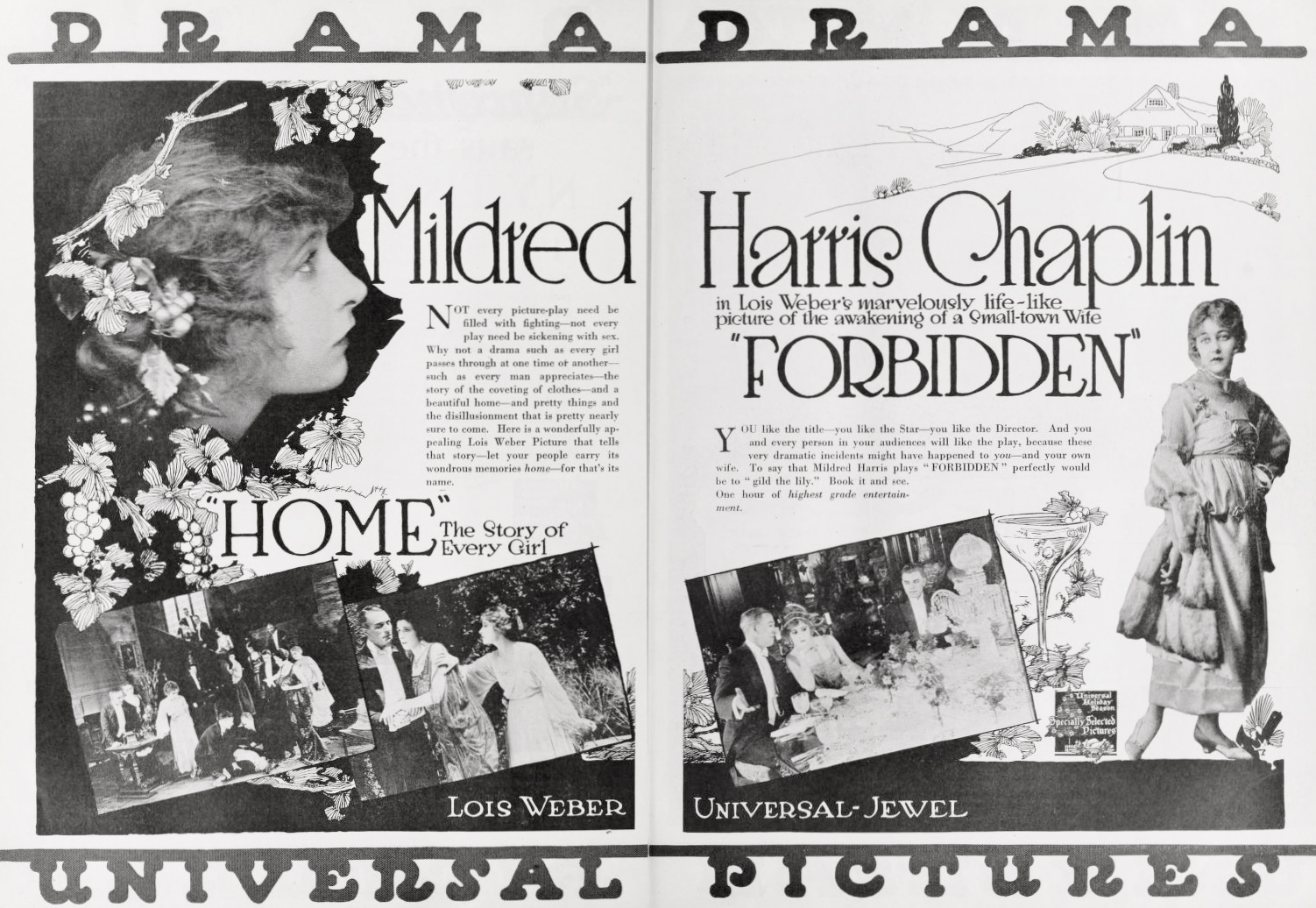
The allure of the obsessive artist, the unhinged lover, or the fallen woman was a potent force. Early melodramas, for instance, often featured intense emotional arcs, where love, betrayal, and sacrifice were portrayed with an almost operatic grandeur. A ballerina's tragic fate becoming the fixation of a disturbed artist, or a wife's desperate gamble with her virtue to preserve her husband's life, these were not merely dramatic plots; they were explorations of extreme human experience, pushing boundaries of what was acceptable on screen. Such raw, unfiltered emotionality, combined with often stylized performances and visual flair, created a cinematic experience that, while perhaps shocking to some, captivated others, drawing them into a world where conventional morality was secondary to visceral feeling.
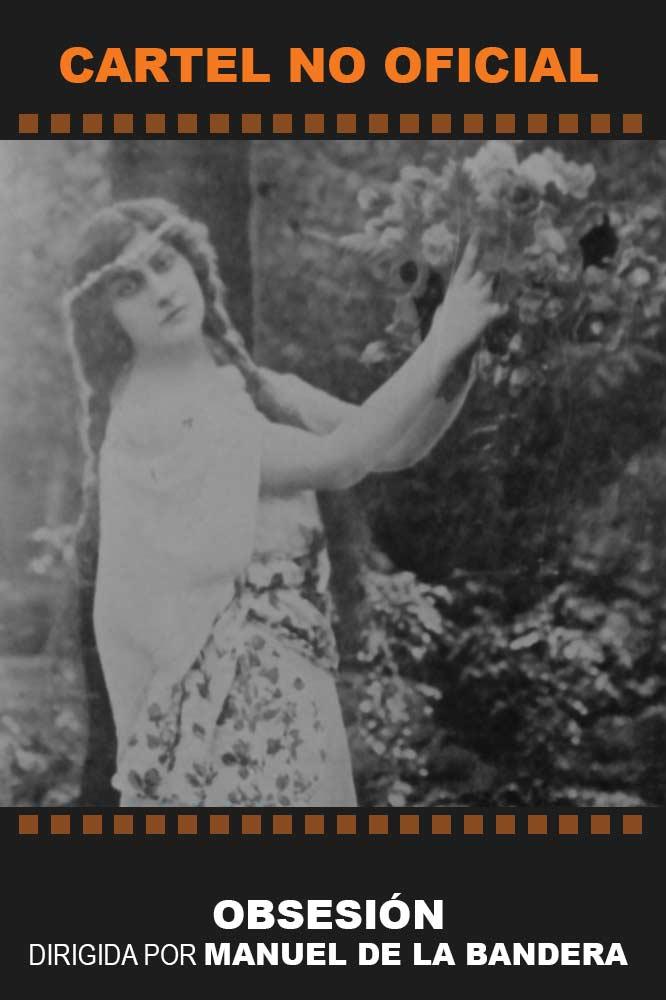
The depiction of crime, mystery, and moral ambiguity also played a crucial role. Detective stories, tales of mistaken identity, and narratives centered around secret societies or hidden pasts provided audiences with a thrilling escape into the unknown. The intrigue of a murdered playboy, the complex web of family secrets, or the power of a hypnotist to control minds—these plots tapped into a collective fascination with the dark underbelly of life. They challenged viewers to question appearances, to delve into psychological depths that mainstream fare often shied away from. This embrace of the anomalous and the subversive is a direct ancestor of modern cult cinema's penchant for the bizarre and the unsettling.
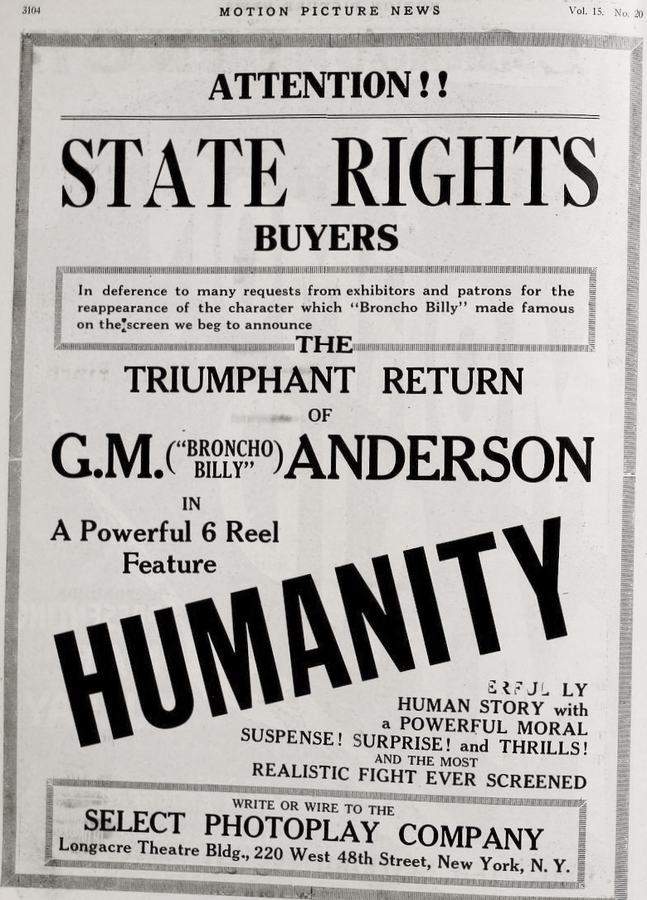
The Allure of the Anomalous: Early Cinema's Embrace of the Strange and Subversive
Beyond narrative themes, early cinema also cultivated a distinct aesthetic of the anomalous. The very act of watching a moving picture was, for many, a novel and somewhat disorienting experience. Filmmakers experimented with special effects, camera tricks, and unconventional editing, creating visual spectacles that were both wondrous and strange. These stylistic choices, often born out of technical limitations or pioneering ambition, contributed to a sense of otherworldliness that would become a hallmark of cult films.
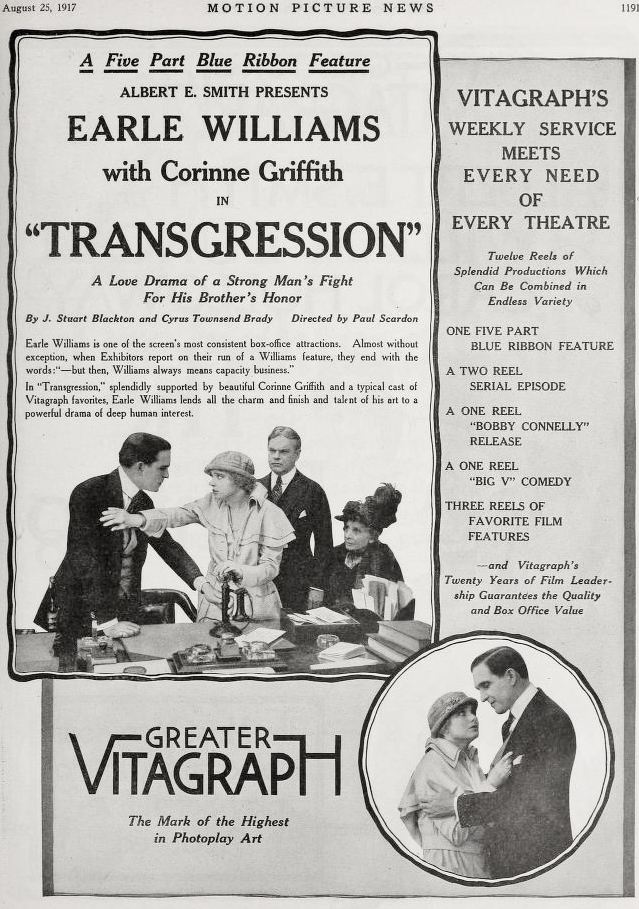
Comedy, too, found its anarchic voice early on. From slapstick routines involving bumbling characters and chaotic situations to animated shorts featuring fantastical creatures and illogical scenarios, early comedies often reveled in the absurd. An elephant cop flirting with a hippopotamus, or a madcap chase through a city, these were films that delighted in breaking rules, in creating a world where anything was possible. This willingness to embrace unrestrained humor and narrative irreverence is a direct precursor to the offbeat humor and surrealism found in many cult classics.
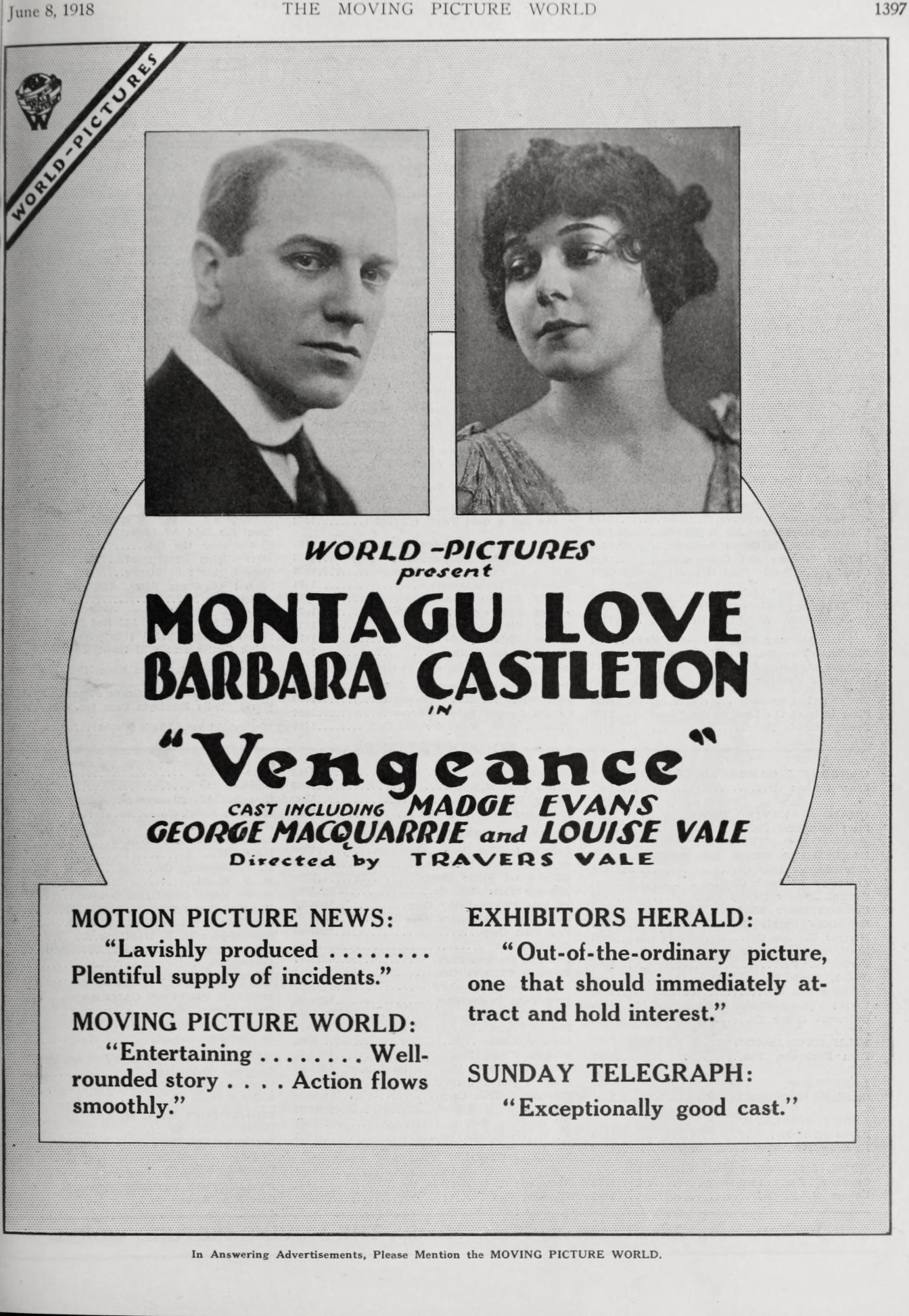
Furthermore, the exploration of societal issues, even in a nascent form, offered a deeper connection for audiences. Films that tackled the struggles of immigrants, the harsh realities of poverty, or the complexities of class distinctions, provided a sense of recognition for those living through similar experiences. While not overtly political in the modern sense, these narratives often highlighted the alienation and disillusionment that would later become central to the cult film ethos. The idea of a group of European nobles, stripped of their former status, maintaining their continental customs in secret while working as common laborers in America, speaks to a poignant sense of identity and community in the face of adversity—a theme that resonates strongly with cult audiences who often find their own 'tribe' within these films.
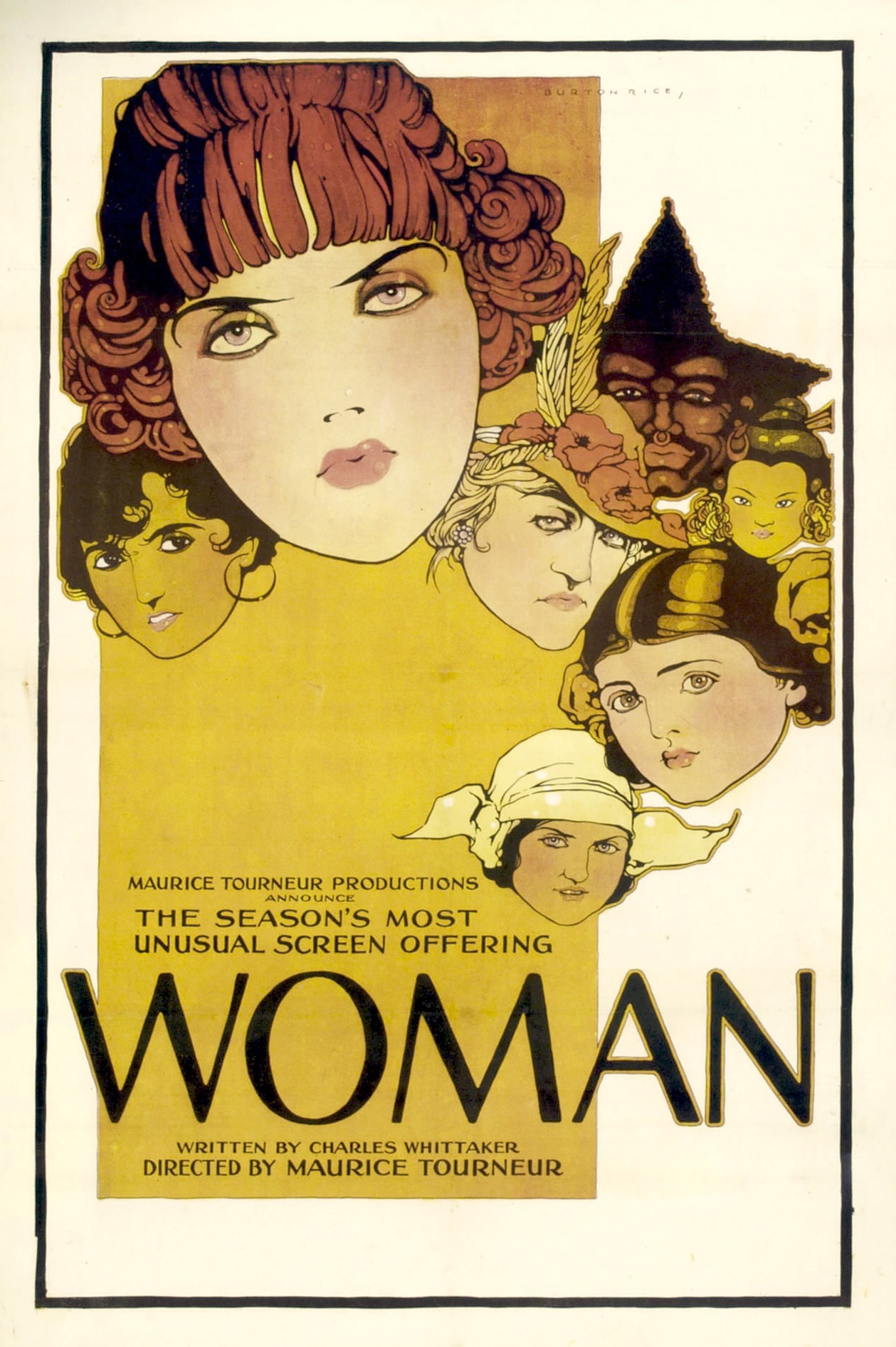
Forging Community: Early Films and the Audience Connection
One of the most defining characteristics of cult cinema is its ability to forge a sense of community among its viewers. Long before internet forums and fan conventions, audiences were already finding common ground in their shared appreciation for films that stood apart. Early cinema, with its often raw and unfiltered storytelling, provided a unique space for this connection to form. Films that explored themes of outsider status, rebellion against convention, or unconventional love, naturally attracted those who felt a similar resonance.
Consider the impact of stories about individuals overcoming immense personal struggles, or finding love in unexpected places despite societal pressures. These narratives, often imbued with a strong sense of pathos and melodrama, allowed audiences to project their own experiences and desires onto the screen. The emotional intensity, the larger-than-life characters, and the dramatic twists and turns created a shared experience, a collective emotional journey that bound viewers together. This nascent form of shared enthusiasm, where discussions and interpretations flourished beyond the confines of the theater, was the early flickering of what would become the cult fandom.
Even seemingly simple comedies or short films, with their emphasis on visual gags and rapid-fire action, could create a communal atmosphere of shared laughter and delight. The joy of witnessing a character's ridiculous antics or an unexpected plot twist fostered a sense of collective participation. This shared experience, distinct from the passive consumption of more conventional fare, laid the groundwork for the interactive and participatory nature often associated with cult film screenings. The repeated viewing, the quoting of lines, and the deep dive into symbolic meanings – these are all behaviors that have their conceptual genesis in the early days when cinema itself was a new, exciting, and often bewildering phenomenon.
The Visual Language of the Fringe: Aesthetic Experimentation and Enduring Style
The aesthetic choices made by early filmmakers were often bold and pioneering, contributing significantly to the proto-cult sensibility. Without a codified cinematic language, directors were free to experiment with composition, lighting, editing, and performance in ways that could be startlingly modern. The dramatic use of shadows to heighten suspense in a mystery, the exaggerated gestures of actors in a melodrama, or the surreal imagery in an early animation – these elements created a distinctive visual signature that set certain films apart.
For instance, films dealing with themes of hypnotism or psychological distress often employed visual metaphors and dreamlike sequences that transcended literal representation. This embrace of expressionistic imagery and symbolic storytelling is a hallmark of many later cult classics, which often prioritize mood and atmosphere over straightforward narrative clarity. The ability of early cinema to convey complex emotional states and abstract concepts through purely visual means was revolutionary and continues to resonate with audiences who appreciate cinema as an art form capable of profound and unconventional expression.
The very rawness of early film, the visible grain, the occasional imperfections, and the often rudimentary special effects, paradoxically adds to its charm for contemporary cult audiences. There's an authenticity to these artifacts, a sense of witnessing cinema in its purest, most unadulterated form. This unpolished charm, the visible hand of the creator, fosters a connection that polished, high-budget productions sometimes lack. It encourages a closer, more analytical viewing, inviting audiences to appreciate the craft and vision behind the flickering images.
The Enduring Echo: Cult Cinema's Timeless Resonance
The films of early cinema, from dramatic tales of love and loss to farcical comedies and thrilling mysteries, collectively form an unconventional canon that predates the modern understanding of cult cinema. They were not always box office hits, nor were they universally acclaimed. Many were considered niche, peculiar, or even shocking in their time. Yet, it is precisely this outsider status and their willingness to explore the fringes of human experience that makes them so vital to the lineage of cult film.
The threads that connect a silent-era melodrama of moral compromise to a contemporary midnight movie are clear: a fascination with the transgressive, an embrace of the anomalous, a celebration of unconventional aesthetics, and an inherent ability to foster passionate communities. These early films, with their pioneering spirit and their often startling originality, prove that the impulse to create and consume cinema that challenges, provokes, and delights in its own distinctiveness is as old as the medium itself.
The cult film, then, is not merely a product of a specific era or genre; it is a continuous echo of cinema's earliest rebel heart. It is a testament to the enduring power of stories that speak to the soul, that find their tribe, and that, through their unconventional allure, achieve a timeless immortality. By looking back at these foundational works, we gain a richer understanding of why certain films cast an unbreakable spell, transforming from mere entertainment into objects of profound cultural devotion. The maverick's echo resonates still, a vibrant, continuous hum throughout the grand, wild history of cinema.
Community
Comments
Log in to comment.
Loading comments…