
Cult Cinema, Deep Dive, Film History
The Maverick's Midnight Manifesto: Unearthing Cult Cinema's Enduring Rebellion from Early Reels to Modern Obsession
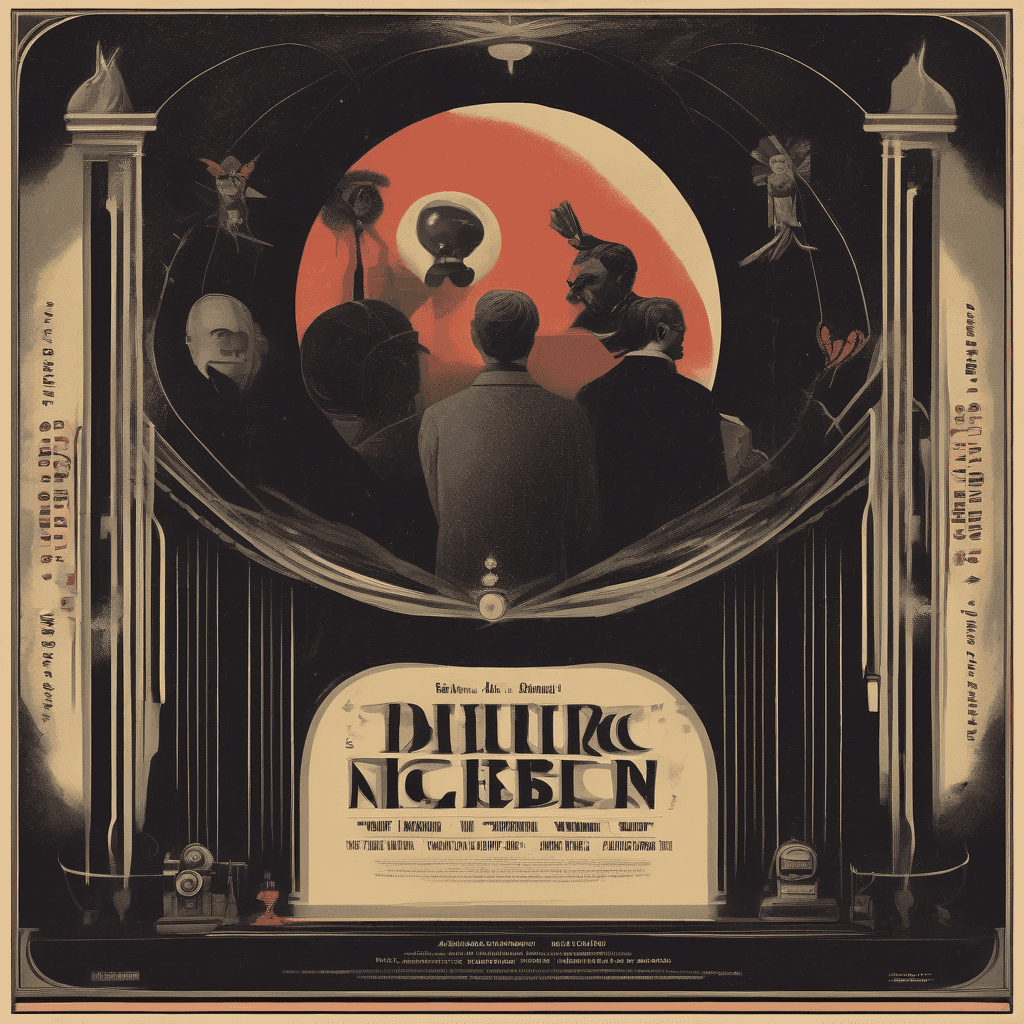
“Dive deep into the rebellious heart of cult cinema, tracing its lineage from the earliest, often overlooked, cinematic oddities to the vibrant midnight movie culture of today. This article explores how boundary-pushing narratives and unconventional visions forged an unbreakable bond with niche audie…”
From the flickering shadows of nickelodeons to the communal rituals of midnight screenings, cult cinema has always occupied a unique, often defiant, space in the cinematic landscape. It’s a realm not defined by box office receipts or critical acclaim, but by an unwavering, almost spiritual, devotion from its audience. These are the films that defy easy categorization, challenge societal norms, and often, upon their initial release, were misunderstood, ignored, or even condemned. Yet, through their sheer audacity and singular vision, they carve out an enduring legacy, transforming from obscure oddities into beloved cinematic touchstones.

The Genesis of the Gaze: Early Cinema's Unconventional Seeds
To truly understand the phenomenon of cult cinema, we must journey back to its primordial roots, long before the term 'midnight movie' was coined. Even in the nascent years of filmmaking, a distinct current of the unconventional, the melodramatic, and the morally ambiguous ran through the reels. The films of the late 19th and early 20th centuries, while often simple in their narrative structures, frequently pushed boundaries in ways that laid the groundwork for future transgressive storytelling.

Consider the dramatic narratives that dominated the silent era. Films like Jeanne Doré, with its depiction of a woman grappling with her profligate, gambling-addicted husband, or Tigre reale, featuring a Russian countess entangled in a tragic revolutionary past, hint at a fascination with lives lived on the edge. These weren't always comfortable stories; they delved into themes of societal pressure, personal downfall, and the consequences of moral failings. This willingness to explore the darker, more complex facets of the human condition, even within the confines of early melodramatic conventions, marks a crucial subversive spark.

The very act of witnessing these stories unfold on screen, often in dimly lit halls or makeshift theaters, fostered a sense of shared experience, an early form of communal engagement that would become a hallmark of cult fandom. Audiences were drawn to the spectacle, yes, but also to the emotional intensity and the often-unsettling scenarios presented before them. The cinematic rebels of this era, whether intentionally or not, began to sculpt a new kind of narrative experience, one that invited not just passive viewing but active emotional and intellectual investment.
Beyond the Mainstream: The Allure of the Outlier Narrative
What defines a cult film, if not its departure from the mainstream? Many early films, by their very nature, were experimental and diverse, lacking the rigid genre definitions we know today. This fluidity allowed for narratives that were inherently unconventional. Take, for instance, stories of real-life outlaws like Frank Gardiner, the King of the Road, or tales of bold adventurers defying expectations, such as in The Sky Monster. These narratives celebrated individuals who operated outside established systems, mirroring the very spirit of the cult film itself.

Even comedies, like He Couldn't Fool His Wife or Little Miss Rebellion, challenged social decorum, albeit with humor. They poked fun at marital difficulties, societal expectations, and the absurdities of power, offering audiences a refreshing, often risqué, alternative to more sanitized entertainment. This genre defiance and playful subversion of norms are critical components of cult appeal.

The exploration of social commentary, too, often found a home in these early films, tackling issues that resonated with working-class audiences. The White Terror, for example, exposed the harsh realities of child labor and corporate greed, while The Profiteers denounced unscrupulous business practices. These films, though perhaps not explicitly 'cult' in their time, addressed taboo subjects and societal injustices, laying the groundwork for films that would later use cinema as a tool for social critique and counter-cultural expression. They resonated deeply with audiences who felt unheard, a core aspect of the niche audience phenomenon.

The Echo of the Unseen: Rediscovery and Enduring Obsession
Many of the films from this era are now forgotten gems, lost to time or preserved only in fragmented forms. Yet, their themes and narrative daring echo through the decades, forming an unseen current that feeds the cult film tradition. The idea of rediscovery is central to cult cinema. Films that failed commercially or were critically panned upon release often find their true audience years, even decades, later. This retrospective appreciation transforms them into midnight movie classics.

Consider the allegorical struggles and moral quandaries presented in films like The Temptations of Satan, where innocence is besieged by malevolent forces, or the heartwarming journey of The Right to Be Happy, a re-imagining of 'A Christmas Carol.' These narratives, regardless of their initial reception, possess a certain timeless quality, an enduring mystique that speaks to universal human experiences. When viewed through a modern lens, their primitive charm and narrative earnestness can become profoundly captivating.
The films that become cult objects often possess a unique aesthetic or a singular vision that sets them apart. Whether it's the stark realism of a social drama or the fantastical elements of an adventure like Mysteries of India, Part I: Truth, these films offer something distinct. They might be technically flawed by contemporary standards, but their heart, their ambition, or their sheer strangeness makes them irresistible to those seeking cinema beyond the polished facade of Hollywood blockbusters. This is where the outsider art appeal truly begins.
The Ritual of Rebellion: Fandom and Identity
Cult cinema is more than just a collection of films; it's a culture, a shared language, and often, a form of communal ritual. The devotion surrounding films like The Rocky Horror Picture Show or Eraserhead, while centuries removed from the early silent era, draws upon the same human need for connection and shared experience that first brought audiences into those flickering picture palaces. The themes of rebellion and identity, present even in rudimentary forms in films like The Spirit of '76 or Manhattan Madness, resonate deeply with audiences who find their own identities reflected in these unconventional narratives.
The act of discovering a cult film, often through word-of-mouth or niche communities, feels like unearthing a secret, a forbidden archive of cinematic treasures. This sense of exclusivity and shared knowledge strengthens the bond between the film and its devotees. Whether it's the gritty realism of a crime drama like Hands Down or the social critique embedded in Salt of the Earth, these films invite deeper engagement, discussion, and interpretation. They become talking points, symbols, and touchstones for a community that cherishes the subversive storytelling that mainstream cinema often shies away from.
The journey of a cult film from obscurity to iconic status is often a testament to the power of its maverick spirit. These are films that, for whatever reason, resonated with a segment of the audience so profoundly that they refused to let them fade into oblivion. They were championed, re-screened, analyzed, and celebrated, building a loyal following that transcended initial critical or commercial indifference. This unbreakable bond between film and fan is the very essence of cult cinema.
The Enduring Allure: Why Cult Films Persist
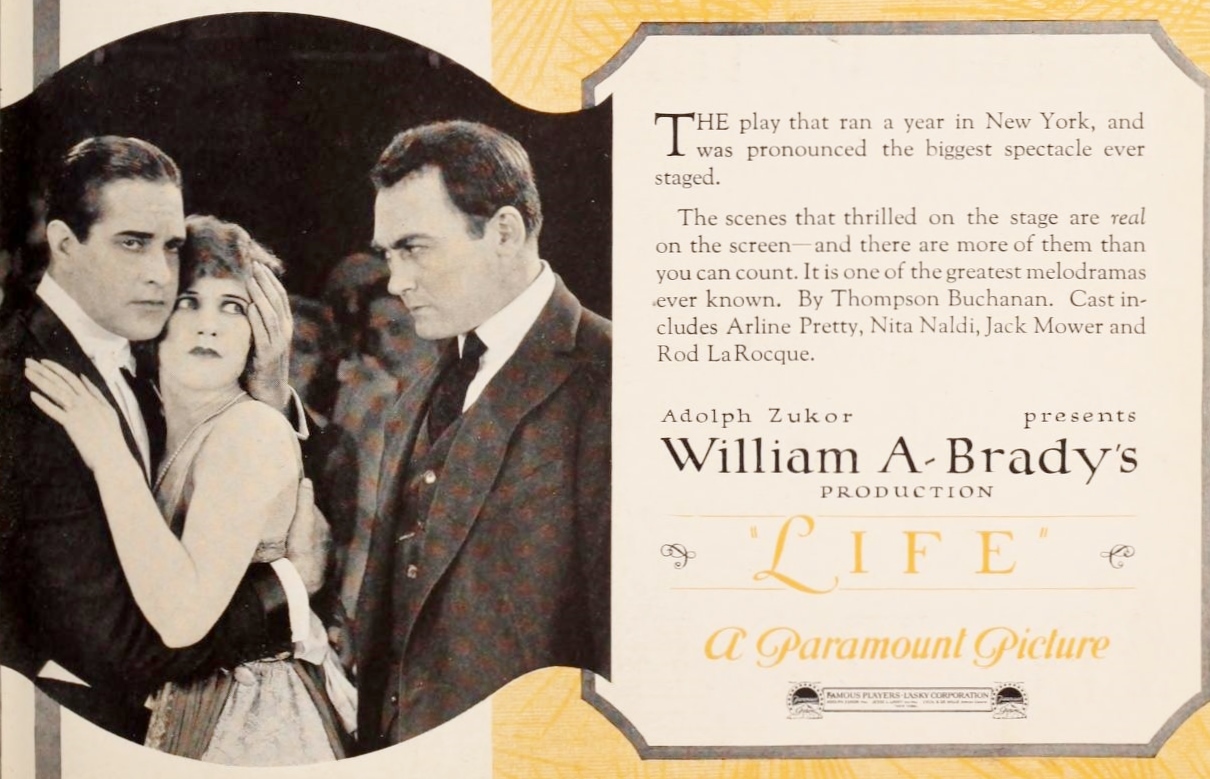
Why do certain films attain cult status while others, equally unconventional, do not? It's a complex alchemy of timing, audience reception, and the inherent qualities of the film itself. Often, it's the film's willingness to be unapologetically itself, to commit fully to its unique vision, however bizarre or challenging it may be. From the earnest melodramas of the silent era like The Way Back or Life's Blind Alley, which explored moral complexities, to the more overt genre experiments that would follow, the common thread is a distinct, often idiosyncratic, voice.
Cult films frequently offer a form of catharsis, allowing audiences to explore forbidden desires, confront uncomfortable truths, or simply revel in the absurd. They provide an escape from the mundane, a journey into worlds both familiar and utterly alien. The early documentaries like Indian Life or The Book of Nature, while not cult films themselves, exemplify cinema's early power to transport and inform, a fundamental aspect that cult films amplify through their unique lenses.
The enduring legacy of cult cinema lies in its persistent challenge to the status quo. It reminds us that art is not always meant to be easily digestible or universally loved. Sometimes, the most profound and resonant cinematic experiences are found on the fringes, in the films that dared to be different, that spoke to a particular sensibility, and that, against all odds, found their tribe. These films, whether they are grand historical dramas or intimate character studies, continue to inspire, provoke, and unite audiences in a shared appreciation for the strange, the beautiful, and the wonderfully rebellious.
From Silent Whispers to Roaring Rituals
The journey of cult cinema from its earliest, almost accidental, stirrings in the silent era to its modern-day celebrated status is a testament to the power of unconventional art. The films that populate this unique canon are not merely movies; they are experiences, shared secrets, and badges of identity for those who embrace them. They are the unorthodox canon, continually expanding and defying definition, much like the human spirit itself.
In every flickering frame, from the raw emotionality of early melodramas to the audacious spectacle of contemporary midnight favorites, lies a story of defiance. It's the story of creators who dared to be different and audiences who dared to love what was deemed strange. This is the rebel heart of cinema, beating strongly, inviting us all to step beyond the marquee and into the fascinating, unpredictable world of cult films.
Community
Comments
Log in to comment.
Loading comments…