
Cult Cinema Deep Dive
The Midnight Chrysalis: How the 1910s Silent Fringe Invented the Modern Cult Ethos
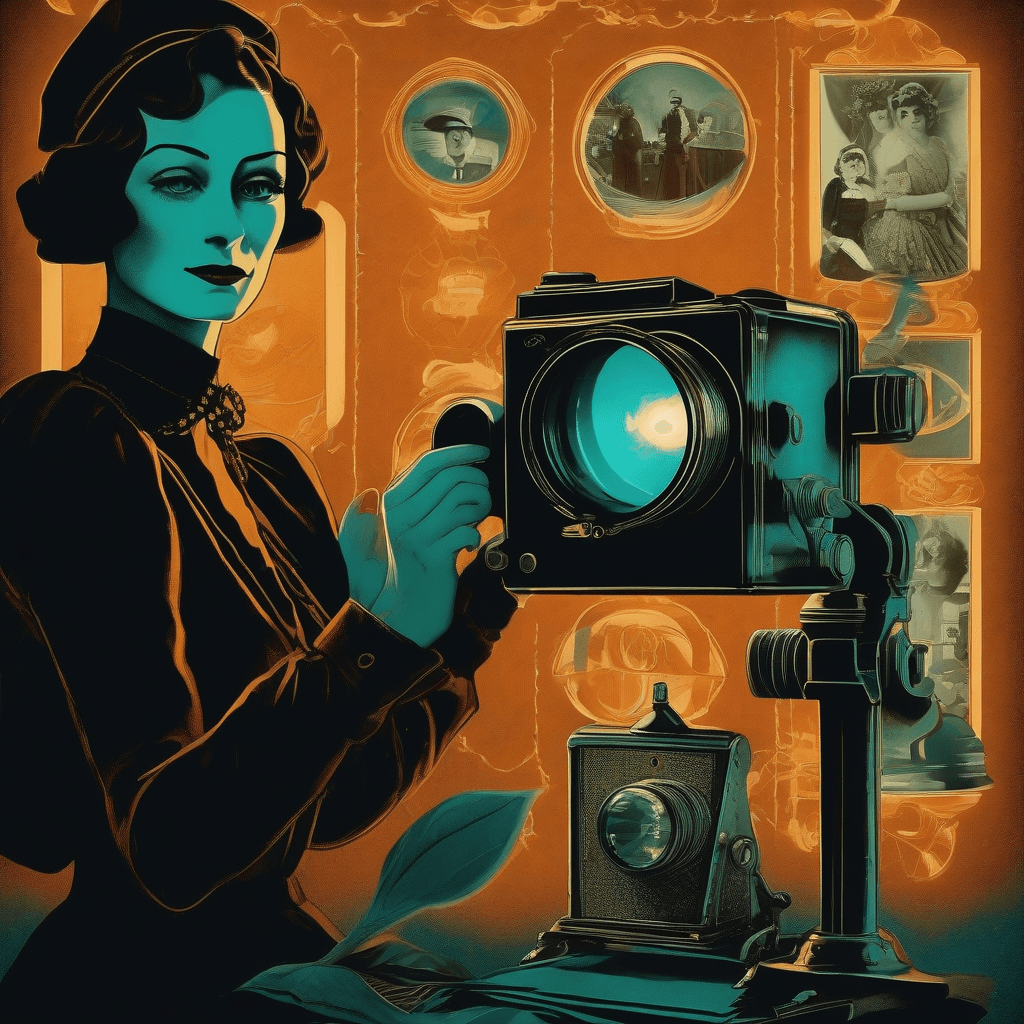
“Journey back to the dawn of cinema to discover how the transgressive narratives and genre-bending anomalies of the 1910s laid the foundation for today's cult movie obsession.”
The history of cinema is often written by the victors—the blockbusters that shattered box office records and the prestige dramas that swept early awards. However, beneath the polished surface of the mainstream lies a darker, more eccentric lineage: the cult film. While many cinephiles trace the origin of the midnight movie to the psychedelic 1960s or the transgressive 1970s, the true genetic code of the cult ethos was written much earlier. In the flickering nitrate of the 1910s and early 1920s, a wave of misfit masterpieces emerged, challenging social norms, blending genres, and inviting the kind of obsessive devotion that defines modern niche fandom.
The Supernatural Weird and the Birth of Gothic Obsession
One of the primary pillars of cult cinema is the embrace of the bizarre, and few films from the silent era embody this as purely as The Beetle. Long before the creature features of the 1950s, this story of an ancient Egyptian princess whose soul possesses a beetle to seek revenge on a British Parliament member showcased the early industry's appetite for the macabre. This is the quintessential cult narrative: a blend of ancient mysticism, political subversion, and high-concept horror that feels entirely out of step with the polite society dramas of its time.
Similarly, The Tyranny of the Mad Czar took historical subject matter—the accession of Paul the First in 1796—and infused it with a meteoric, almost fever-dream quality. By focusing on the 'madness' of the ruler, the film tapped into the primal human fascination with the unstable and the extreme. This fascination with the 'other' is what draws audiences to the fringe; it is the recognition of a reality that is distorted, amplified, and ultimately more honest than the sanitized versions of history often presented to the masses.
Gender Subversion and the Misfit Identity
Cult cinema has always been a sanctuary for those who do not fit the mold, and the early silent era was surprisingly progressive in its exploration of identity. Take Muggsy, for instance. The character of Joyce Tolliver, who plays baseball, fights, and swears with boys, only to be disguised as a boy later in life, represents an early cinematic engagement with gender fluidity. For a contemporary audience, Muggsy serves as a precursor to the rebellious, gender-bending icons of the 1970s and 80s. It challenges the viewer to look beyond the surface, a hallmark of the cult gaze.
This theme of the 'disguised' or 'hidden' self continues in films like Which Woman?, where Doris Standish leaps into a car to escape an unwanted marriage, and Miss Jackie of the Navy, featuring a wealthy daughter known for her frolicsome nature. These films were not just entertainment; they were acts of rebellion against the rigid social structures of the early 20th century. They provided a blueprint for the 'manic pixie dream girl' and the 'rebel without a cause' tropes that would later dominate cult circles.
The Global Fringe: From Harvard to Czarist Russia
The cult experience is often defined by its international reach and its ability to find the universal in the specific. Lady Barnacle offers a fascinating example of this early globalism. The story of Krishna Dhwaj, the son of a Maharajah who is sent to Harvard because of a forbidden love, is a surreal blend of Eastern tradition and Western academia. It is exactly the kind of 'fish out of water' story that attracts a niche following—odd, specific, and culturally layered.
Then there is Billions, a comedy featuring Princess Triloff, an emigrée from Czarist Russia who becomes a patron of an impoverished poet in America. The film’s absurdist premise and its play on class and art patronage prefigure the quirky, high-concept comedies of the modern era. When we watch Billions, we are seeing the birth of the 'eccentric benefactor' archetype, a staple of cult narratives where the marginalized find power through their own peculiarities.
Moral Mutations and the Dark Side of Romance
Cult films are rarely 'safe.' They often dwell in the gray areas of morality, exploring themes that mainstream cinema might find too uncomfortable. Stolen Moments, which depicts a novelist blackmailing an ex-girlfriend, or The Price of Her Soul, which tackles the 'drug evil' through the lens of family betrayal, are early examples of the 'social problem' film turned into a transgressive thriller. These movies did not shy away from the darker impulses of the human heart.
In The Immortal Flame, we see a woman abandoning a political marriage for her true love, a move that would have been scandalous to many at the time. This defiance of the 'marriage of convenience'—a theme also explored in Marriage for Convenience and The Gilded Youth—highlights the early silent era’s obsession with individual autonomy over societal expectation. For the cult viewer, the protagonist who chooses their own path, no matter how destructive or unconventional, is the ultimate hero.
Genre Mutations: The Silent Western and Action Hero
The roots of the 'action cult' can be found in the rugged landscapes of early Westerns and adventure films. Tangled Trails and The Square Deal Man brought a sense of lawless justice to the screen that resonated with audiences tired of urban constraints. The figure of Jack o' Diamonds, a 'square sport' who gives to charity but is rejected by the religious establishment, is a classic cult anti-hero—the man with a code who is misunderstood by the world.
Even the world of sports was not immune to the cult gaze. Form, a slow-motion study of world champions in golf and tennis, might seem like a documentary today, but in its time, it represented a fetishistic obsession with the physical body and the 'perfection' of movement. This analytical, almost obsessive look at the subject matter is exactly what modern cult fans do when they deconstruct every frame of their favorite films.
The Alchemical Power of the Unseen
Many of these films, such as The Seven Pearls or La spirale della morte, exist now only as fragments or titles in an archive. This 'lost' status only adds to their cult allure. The idea that there is a 'forbidden' or 'forgotten' history of cinema is a powerful driver of niche devotion. When we discuss Panna Meri or The Keys to Happiness, we are not just talking about movies; we are engaging in a form of cinematic archaeology.
The cult film is an act of discovery. Whether it is finding the beauty in the tragedy of Sangre y arena (the shoemaker's son who finds fame and fortune as a matador) or the haunting visions in Joan the Woman, the cult audience is defined by its willingness to look where others do not. They find the 'immortal flame' in the most unlikely places, from the mountain camps of Jess of the Mountain Country to the boardinghouses of The Gilded Youth.
Conclusion: The Eternal Flame of the Fringe
Ultimately, the 1910s and 1920s were not just a prelude to the 'real' history of cinema; they were the foundation of its most vibrant and rebellious subcultures. The films of this era, with their 'mad czars,' 'beetle princesses,' and 'disguised boys,' provided the archetypes that would eventually populate the midnight screenings of the future. They taught us that cinema is at its most powerful when it is at its most unconventional.
As we look back at The Last Chapter or The Redemption of Dave Darcey, we see more than just old film stock. We see the spark of a rebellion that continues to this day. Cult cinema is a testament to the fact that as long as there are stories that challenge the status quo, there will be an audience waiting in the shadows to embrace them. The midnight chrysalis of the silent era has long since hatched, but its wings—colored with the vibrant hues of transgression and eccentricity—still cast a long, beautiful shadow over the world of film.
Community
Comments
Log in to comment.
Loading comments…