
Cult Cinema
The Celluloid Cryptogram: Unearthing Cult Cinema's Hidden Meanings and Devoted Disciples
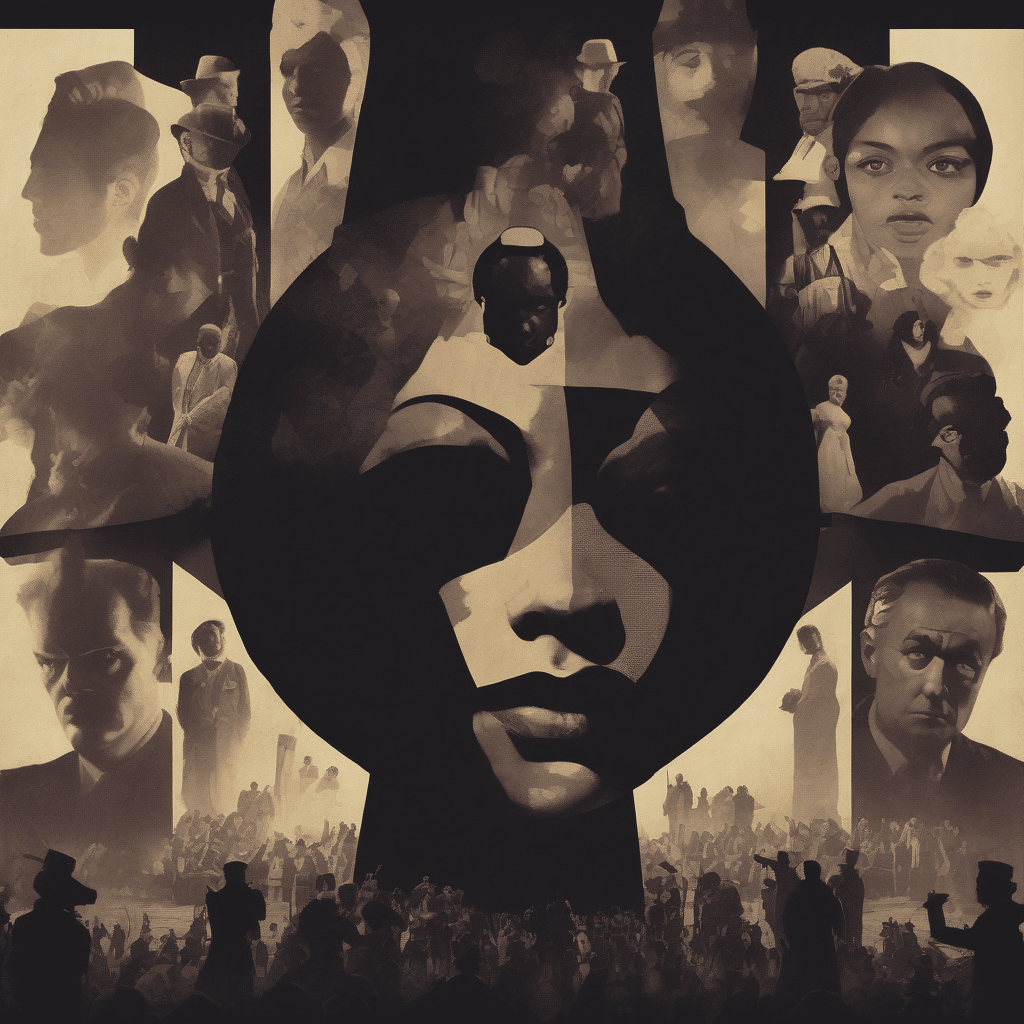
“Cult cinema thrives in the shadows, a realm where cinematic outcasts find fervent devotion. This editorial delves into the enigmatic allure of films that defy convention, tracing their rebellious spirit from the earliest moving pictures to modern-day obsessions.”
In the vast, ever-expanding universe of film, there exists a peculiar constellation known as cult cinema. These aren't merely movies; they are experiences, rallying cries for the disenfranchised, and secret handshakes among devoted disciples. Unlike blockbusters designed for mass appeal, cult films often begin as commercial failures, critical pariahs, or simply too strange for their time. Yet, through word-of-mouth, midnight screenings, and a potent, often indefinable magic, they blossom into enduring cultural touchstones, cherished by communities who find in them a reflection of their own outsider sensibilities. This deep dive explores the very essence of cult cinema, examining its characteristics, its enduring appeal, and how its fundamental DNA can be traced back to the experimental and often transgressive spirit of early filmmaking.
The Maverick's Manifesto: Defining Cult Cinema's Rebel Heart
What truly defines a cult film? It's more than just a dedicated fanbase. It’s a complex interplay of elements: unconventional narratives, challenging themes, distinct aesthetics, and a profound ability to resonate on a deeply personal level with specific audiences. These films often reject mainstream sensibilities, pushing boundaries of taste, morality, or genre. They dare to be different, to be difficult, to be defiantly themselves. Consider the visceral impact of films that explore the darker facets of human nature, challenging viewers to confront uncomfortable truths. From the psychological horror of a man battling his inner demons, as depicted in early interpretations of Dr. Jekyll and Mr. Hyde, to tales of moral compromise and societal judgment, the seeds of cult cinema's fascination with the transgressive were sown early.
A cult film often presents a worldview that stands apart, whether through its overt messaging or its subtle subtext. It might be a film that was ahead of its time, misunderstood upon release, or simply too niche for broad consumption. Its power lies in its ability to be discovered and championed by an audience that sees something profound within its unconventional framework. This process of re-evaluation and adoption is central to the cult experience. These aren't films consumed passively; they are debated, dissected, quoted, and re-watched countless times, each viewing revealing new layers of meaning.
Echoes from the Dawn: Proto-Cult Elements in Early Cinema
While the term 'cult film' truly gained traction in the latter half of the 20th century, the foundational elements that comprise its unique appeal can be discerned even in the nascent days of cinema. The early 20th century, particularly the silent era, was a period of intense experimentation, where filmmakers were still inventing the language of movies. Without established genres or rigid commercial formulas, there was a freedom to explore themes and visual styles that might be considered radical today. Many of these early works, though largely forgotten by the mainstream, contain the proto-cult DNA of transgression, genre defiance, and unique vision.
Think of films that dared to tackle societal taboos or present morally ambiguous characters. The allure of the 'other' or the 'deviant' is a recurring motif. Films like Mr. Wu, with its dark narrative of cultural conflict and patriarchal vengeance, or The Soul of Satan, hinting at illicit desires and moral decay, represent early attempts to grapple with themes that would later become staples of cult cinema. These were not always comfortable films, and their willingness to push against the prevailing social norms of their time foreshadows the provocative nature of later cult classics.
Transgression and Moral Ambiguity: A Legacy of the Fringe
The very act of challenging moral conventions is a cornerstone of cult cinema. Early films, often constrained by nascent censorship and societal expectations, still found ways to hint at darker impulses. The stark dichotomy of human nature presented in Dr. Jekyll and Mr. Hyde is a prime example, a narrative that continues to fascinate due to its exploration of the monstrous within. Similarly, stories of crime, revenge, and moral compromise resonated with audiences even then. The Pursuing Vengeance, for instance, delves into the dark world of a criminal band and targeted victims, while The Price of Silence explores murder and false accusation, highlighting the dramatic tension of societal judgment and the fragility of innocence. These themes of justice, retribution, and the blurred lines between right and wrong are perpetually compelling and form a significant part of cult cinema's allure.
The femme fatale, a figure often celebrated in cult films for her defiance of traditional female roles, also has early cinematic roots. A character like the titular La Salome, whose seductive dance leads to a prophet's demise, showcases a powerful, transgressive female agency, even if framed within a biblical context. Similarly, The Lightning Raider presents a daring master thief as its protagonist, a woman who operates outside the law with confidence and cunning. These figures, challenging gender norms and societal expectations, laid groundwork for the complex, often anti-heroic female characters beloved by cult audiences today.
Genre Bending and Aesthetic Innovation: Crafting Unique Visions
Cult films frequently blur or outright defy genre boundaries, creating unique cinematic experiences that resist easy categorization. This genre fluidity was, perhaps, an accidental byproduct of early filmmaking, where the rules were still being written. However, some films consciously experimented. Consider the blend of drama and western in While Satan Sleeps, where a minister with a criminal past navigates a mining town, or the comedic political intrigue of King, Queen and Joker, involving a king, a revolution, and a barber doppelgänger. These early attempts at narrative complexity and genre fusion illustrate a willingness to play with established tropes, a hallmark of cult cinema.
Beyond narrative, the visual style and aesthetic choices of early films also contributed to their unique identities. The exaggerated performances, dramatic lighting, and often theatrical staging of the silent era, while conventional for their time, can appear strikingly unconventional to modern eyes. Animation experiments like The Tantalizing Fly, a short that playfully interacts with the drawing process, demonstrate an early embrace of the bizarre and the meta – qualities often celebrated in cult works. Even simpler comedies like The Greenhorn or The Merry Cafe, through their slapstick or innovative visual gags, contribute to a legacy of films that prioritize unique expression over conventional storytelling.
The Underdog's Journey: Resonance with the Outsider
Many cult films resonate deeply with audiences who feel like outsiders themselves. They often feature protagonists who are marginalized, misunderstood, or striving against overwhelming odds. This theme of the underdog, fighting for acceptance or simply survival, is universal and appears throughout cinematic history. Films like The Career of Katherine Bush, chronicling a lowly office worker's ascent through society, or His Mother's Boy, exploring a son's journey from a New England village, touch upon themes of social mobility, identity, and personal struggle. While not overtly transgressive, their focus on individual journeys against societal backdrops can foster a sense of empathy and connection with viewers who recognize similar battles in their own lives.
Even narratives of mistaken identity or hidden truths, such as The Millionaire's Double or The Fair Pretender, play into the cult fascination with altered realities and hidden selves. These stories, whether dramatic or comedic, invite audiences to look beyond the surface, to question appearances, and to find meaning in unexpected places – a core tenet of the cult film experience. The journey of self-discovery or societal navigation, as seen in The Right to Lie (an illegitimate child discovering her true parentage) or A Japanese Nightingale (a woman escaping arranged marriage to become a geisha), mirrors the audience's own quest for identity and belonging within the niche communities that cult films foster.
The Fandom Phenomenon: From Rejection to Reverence
The true magic of cult cinema lies not just in the films themselves, but in the communities they create. What starts as a niche interest often blossoms into a passionate, almost religious devotion. This fandom is characterized by repeat viewings, communal screenings, elaborate discussions, fan art, and even cosplay. Cult films are not merely watched; they are lived. They provide a shared language, a set of inside jokes, and a sense of belonging for those who feel alienated by mainstream culture.
Many of the films from the early silent era, while not explicitly 'cult' in the modern sense, often faced similar paths of initial obscurity or niche appreciation. Their survival, in many cases, is due to dedicated archivists and film enthusiasts who recognized their unique historical or artistic value. Just as these early cinematic relics were rediscovered and preserved by passionate individuals, so too are cult films often rescued from oblivion by a dedicated few, who then spread their gospel to a wider, receptive audience. The act of watching a cult film often feels like being let in on a secret, a clandestine gathering where one's peculiar tastes are not just tolerated, but celebrated.
The Enduring Allure of the Unconventional
Why do audiences gravitate towards films that challenge, provoke, or simply confuse? Part of the answer lies in the human desire for authenticity and connection. In a world saturated with algorithm-driven content and sanitized narratives, cult films offer something raw, unfiltered, and deeply human. They provide a space for audiences to explore complex emotions, controversial ideas, and alternative realities without judgment. Whether it's the melodramatic intensity of The Greatest Thing in Life, exploring love and loss during wartime, or the intense character study in His Wife, depicting familial and romantic entanglements, these films offer a richness that transcends simple entertainment.
The very act of seeking out and appreciating a cult film is an act of rebellion against the homogenizing forces of popular culture. It's a statement that one's tastes are discerning, unique, and not easily swayed by commercial trends. This sense of shared identity and discovery strengthens the bonds within cult fandoms, turning a simple movie-watching experience into a profound communal ritual. Films like I sentieri della vita or Amor e Boemia, though their specific narratives might be lost to time for many, represent the vast tapestry of human experience and emotion that cinema has always sought to capture, sometimes in ways that only a select few truly appreciate.
The Legacy of the Cryptogram: Unlocking Future Obsessions
From the earliest silent films that dared to explore moral transgressions and unique character studies, to the boundary-pushing independent features of today, the spirit of cult cinema remains vibrant and essential. It's a testament to the power of art to find its audience, no matter how long it takes or how unconventional that journey may be. The enduring fascination with films like The Devil's Wheel, with its themes of abduction and dark intrigue, or Noemi, die blonde Jüdin and Carmela, la sartina di Montesanto, which hint at complex romantic and societal pressures, demonstrates that the hunger for narratives that delve beneath the surface has always existed.
Cult cinema is a constant reminder that artistic value isn't solely determined by box office receipts or critical acclaim. It's often found in the margins, in the works that challenge us, disturb us, or simply speak to a part of us that mainstream cinema rarely touches. It's in the quiet whispers of rediscovery, the shared laughter at a midnight screening, and the passionate debates that rage long after the credits roll. These films, whether from the dawn of cinema or its latest frontiers, form a cryptogram of human experience, waiting to be decoded by devoted disciples who understand their secret language. And in that shared understanding, the cult endures, forever celebrating the unconventional, the defiant, and the truly unique.
Community
Comments
Log in to comment.
Loading comments…