Summary
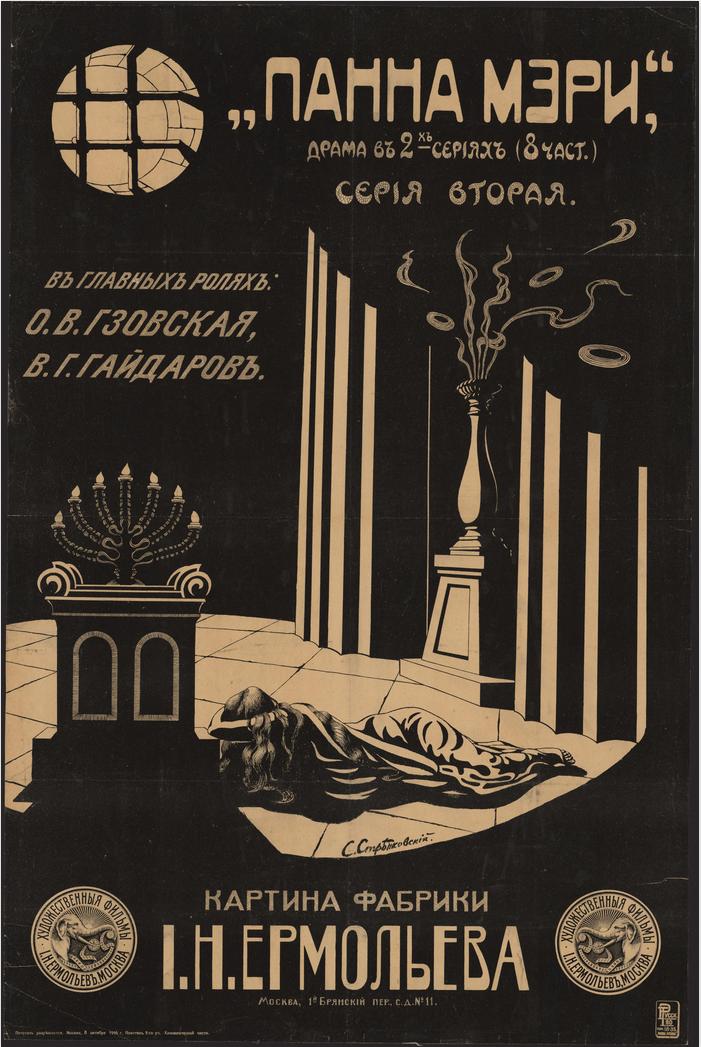
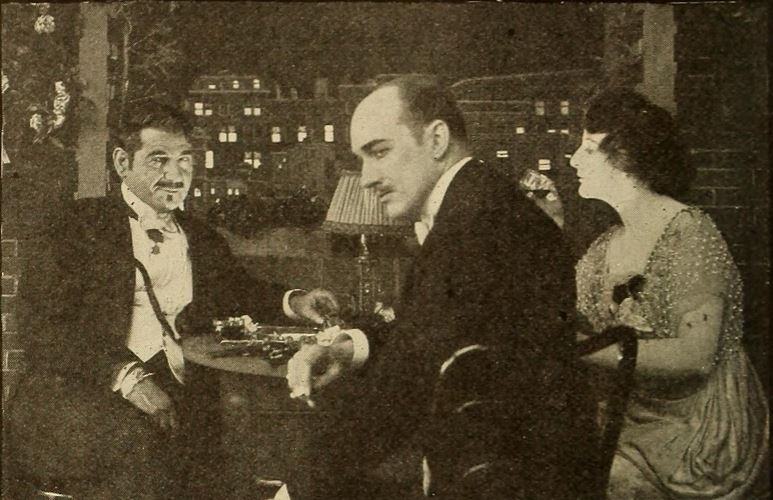
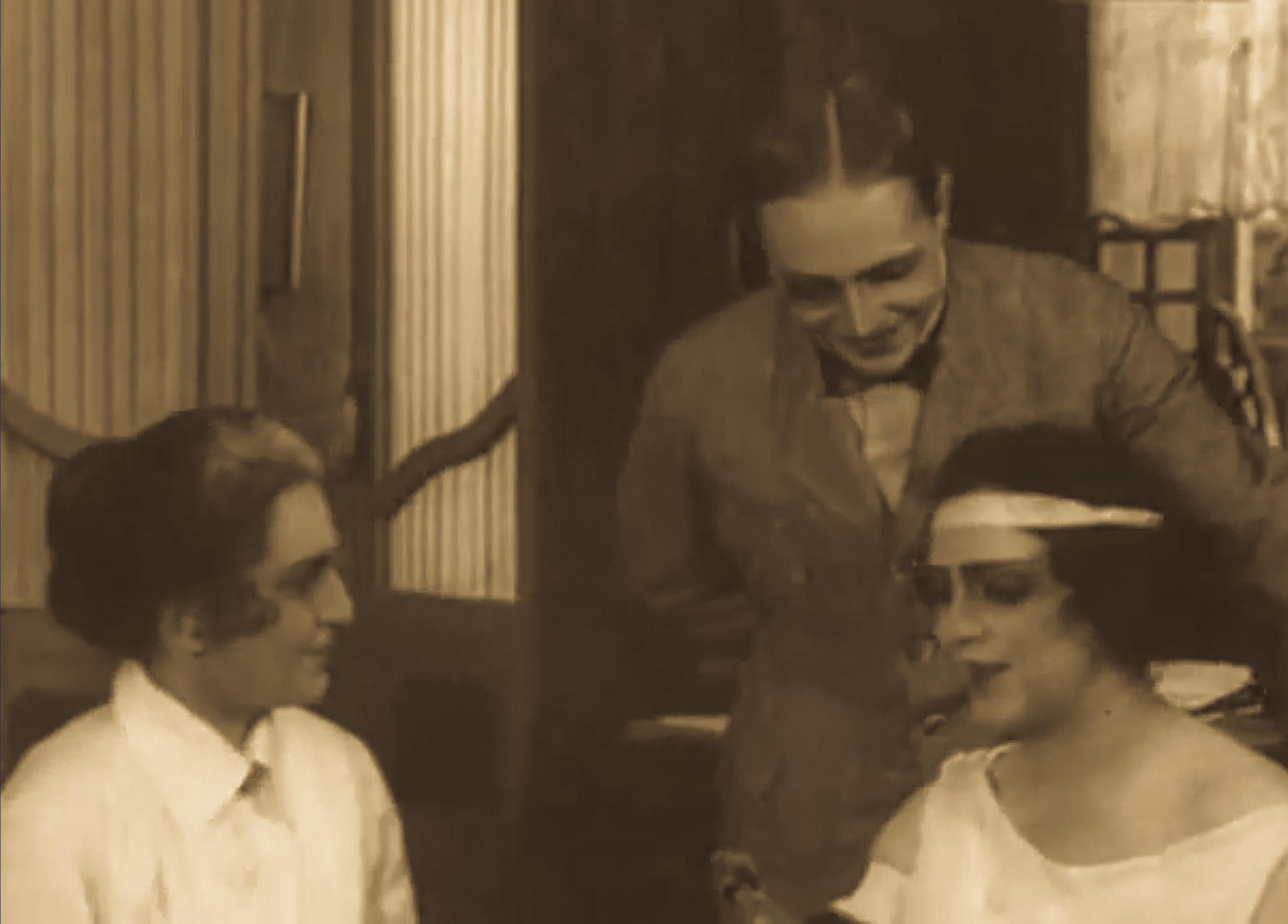
In the frost-laced twilight of a nameless Baltic province, a war-scarred cartographer named Panna Meri—her face a palimpsest of old shrapnel scars and younger sun-freckles—returns from the front carrying not victory but a single mildewed map whose coastlines bleed off the parchment like unfinished sentences. She believes the chart will lead her to the drowned bell-tower of her childhood village, swallowed by a man-made reservoir during the last regime’s hydro-electric fever. Instead, the inked rivers steer her into the orbit of Vladimir Gajdarov’s Leitus, a one-time naval engineer who now smuggles contraband icons inside the hollowed spines of political pamphlets. Together they drift through abandoned amber mines, through taverns where widows knit the names of the disappeared into fishermen’s sweaters, through cinema halls that project newsreels backwards so the executed rise from the dust and crawl into their mothers’ arms. Mid-film, the map mutinies: coastlines migrate overnight, valleys become ridges, the paper exhales saltwater. Olga Gzovskaya’s Panna, convinced the land itself is revising its own history, burns the map, mixes the ashes with vodka, and drinks the slurry so the terrain might re-enter her bloodstream. In the final movement she stands waist-deep in the reservoir, sounding its floor with a ship’s bell clapper until the submerged steeple answers, its bronze tongue still ringing the hour of her exile. Protazanov withholds catharsis: the bell’s resonance triggers an avalanche of reservoir ice that cracks but never quite collapses, leaving Panna perched on a floe that drifts toward an open horizon no treaty has ever named.
Review Excerpt
"
There are films you watch, and films that watch you back. Panna Meri belongs to the latter species—an unblinking celluloid wolf that follows you home, padding silently across the snow-crushed decades between 1925 and whatever damned year you happen to be screening it now.
A Map That Refuses to Behave
Protazanov’s plot—ostensibly the simple pilgrimage of a woman who wants her hometown back—unspools like a Möbius strip dipped in brine. Every time Panna smooths the parchment across tavern tables..."