
Cult Cinema
The Midnight Crucible: Mapping the Genetic Roots of Cult Obsession in Early Cinema’s Fringes
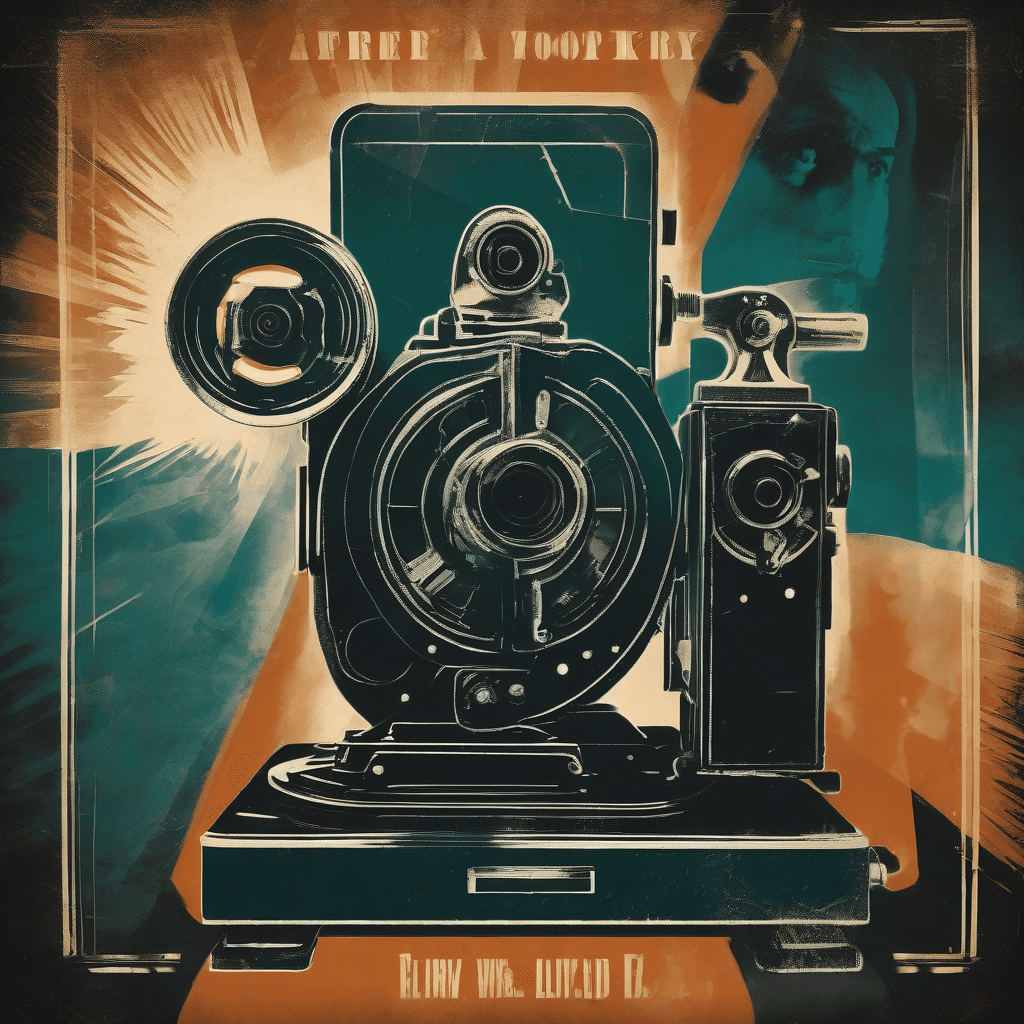
“An in-depth exploration of how the silent era's most daring, strange, and overlooked films laid the foundation for modern cult cinema and the psychology of niche devotion.”
The term "cult cinema" often conjures images of neon-soaked midnight screenings in the 1970s, or the transgressive, grainy VHS tapes of the 1980s. However, the true architecture of the cult movie—that specific, magnetic pull toward the unconventional, the misunderstood, and the defiantly strange—was drafted decades earlier. Long before the term was codified by critics, the silent era was already producing works that functioned as proto-cult artifacts. These were films that didn't just entertain; they challenged social mores, experimented with visual identity, and spoke to the outcasts of society. To understand the modern obsession with the fringe, we must look into the Midnight Crucible of the early 20th century, where the DNA of cinematic rebellion was first sequenced.
The Psychology of the Cinematic Outcast
At the heart of every cult film lies a protagonist who exists on the periphery. Whether by choice or by cruel fate, these characters mirror the audience's own feelings of alienation. Consider the 1917 film The Clown. In its narrative of a successful performer abandoned by his wife for a count, we see the early seeds of the "tragic misfit" trope. This isn't just a melodrama; it is an exploration of the fragility of identity and the pain of social displacement. Cult audiences have always gravitated toward these figures—those who are discarded by the elite or the "normal" world, yet possess a profound, often tortured, inner life.
Similarly, Hell Morgan's Girl (1917) presents us with Roger, a man disowned for choosing art over business, eventually becoming a "derelict on the streets of San Francisco." This narrative arc—the descent from privilege into the grit of the urban underworld—is a cornerstone of the cult aesthetic. It celebrates the struggle of the artist and the outsider, positioning the "derelict" not as a failure of character, but as a victim of a rigid, unforgiving society. These early portraits of marginalization created a space for viewers to find solace in the shared experience of being "othered."
Transgression and the Moral Gray Zone
Cult cinema thrives in the gray areas of morality, where the binary of good and evil is blurred by human desire and societal hypocrisy. The silent era was surprisingly bold in its exploration of these themes. Films like Should a Husband Forgive? (1919) and Maddalena Ferat (1920) delved into the complexities of infidelity, suicide, and the crushing weight of social stigma. In Maddalena Ferat, the protagonist's obsession with a former lover leads to total destruction, a narrative of self-immolation that resonates with the "doomed romance" subgenre of modern cult classics.
These films were often transgressive for their time, pushing against the burgeoning censorship of the era. They asked questions that the mainstream was afraid to answer. When we look at Her Body in Bond (1918), where a woman must navigate the treacherous waters of the New York cabaret scene to support her sick husband, we see a precursor to the "grit and grime" cinema of the 1970s. It’s a story of survival at the cost of one's reputation, a theme that consistently anchors the most enduring cult narratives. The audience's devotion to these films stems from their honesty—their willingness to depict the messy, often tragic reality of the human condition without the sanitization of a happy ending.
The Power of Propaganda and Historical Curiosities
Sometimes, a film enters the cult pantheon not through its artistic merit alone, but through its status as a historical anomaly. The Kaiser, the Beast of Berlin (1918) is a prime example. As a piece of wartime propaganda, it is fascinatingly hyperbolic, offering a "fanciful prediction" of the war's end and painting the German leader in broad, villainous strokes. For a modern viewer, the film is a surreal artifact, a window into a specific moment of collective national fever. This "curiosity factor" is a major driver of cult fandom. We seek out the strange, the dated, and the politically charged because they offer a perspective that has been erased by the march of time.
This fascination with the "weirdness" of history extends to films like The Masked Rider (1919), which blends the revenge thriller with the rural moonshiner subculture of North Carolina. It’s a specific, localized brand of storytelling that feels alien to the homogenized blockbusters of today. Cult cinema is, in many ways, an act of cinematic archaeology. We dig through the archives to find these forgotten gems, like Two Moons (1920), which depicts a brutal feud between sheep herders and cattlemen in Wyoming, complete with mysterious stones placed between the eyes of the murdered. The sheer specificity of such imagery is what sticks in the mind, transforming a standard genre piece into a lasting obsession.
Visual Identity and the Art of Disguise
A recurring motif in the films that inspire cult devotion is the act of transformation or disguise. The Social Secretary (1916) features a young professional who disguises herself to avoid unwanted attention, leading to unintended consequences. This play with identity—the idea that we can put on a mask to navigate a hostile world—is a central theme in many cult subcultures. Whether it's the "drag" elements of Rocky Horror or the masked killers of slasher films, the concept of the performative self is deeply rooted in these early cinematic experiments.
We see a more romanticized version of this in Young Romance (1915), where two department store employees pretend to be aristocrats at a fancy resort. It’s a story of class aspiration and the masks we wear to find love, themes that remain as relevant today as they were a century ago. The cult appeal lies in the subversion of the social hierarchy; we cheer for the imposters because they are sticking it to a system that would otherwise exclude them. This rebellious spirit is what unites the fans of a 1915 silent comedy with the devotees of modern indie cinema.
The Surreal and the Avant-Garde Roots
The aesthetic of cult cinema is often defined by its departure from realism. The silent era was a playground for visual experimentation, from the newsreel innovations of Dziga Vertov's Kino-pravda no. 11 (1922) to the animated whimsy of The Lioness and the Bugs (1917). These films broke the "fourth wall" of reality, using the medium to explore the subconscious or to document life in a way that felt raw and unfiltered. Vertov’s work, in particular, with its focus on the "truth" of the camera, laid the groundwork for the documentary-style cult films and the mockumentaries that would follow decades later.
Even the more traditional narratives of the time often dipped into the surreal. The Dragon Painter (1919) tells the story of a wild man and genius who loses his "divine gift" of painting when he finds human love. It is a haunting, visual poem about the cost of domesticity on the creative soul. It’s exactly the kind of high-concept, visually striking film that would be rediscovered by a new generation of cinephiles, praised for its unique atmosphere and philosophical depth. Cult cinema isn't just about "bad" movies; it's about movies that have a singular, uncompromising vision, regardless of whether that vision fits the commercial mold of the day.
The Enduring Legacy of the Fringe
Why do we continue to return to these flickering shadows of the past? Why does a film like Rainha Depois de Morta Inês de Castro (1910)—a Portuguese tragedy about a woman crowned queen after her death—still hold a certain macabre fascination? The answer lies in the communal experience of the extraordinary. Cult cinema provides a sanctuary for the strange. It is a place where the "unsuccessful" clown, the "unattainable" woman, and the "masked" rider are not just characters, but icons of a broader, more inclusive human narrative.
The films mentioned here—from the propaganda of The Kaiser to the romantic deceptions of Young Romance—represent the diverse roots of what we now call cult cinema. They were the outliers, the experiments, and the accidental masterpieces of their time. By studying them, we don't just learn about film history; we learn about the persistent human need to find meaning in the unconventional. The "Midnight Crucible" continues to burn, fueled by the same spirit of rebellion and curiosity that drove the filmmakers of the 1910s and 20s to look beyond the marquee and into the shadows of the human experience.
In conclusion, the legacy of cult cinema is not a modern invention but an ancient inheritance. It is a lineage of the lost, the found, and the fiercely defended. As long as there are stories that defy the mainstream, there will be audiences waiting in the dark to claim them. Whether it is a 1917 short about a handy monkey like Snooky's Labor Lost or a sweeping drama about the The Burden of Race (1921), these films remind us that the most powerful cinematic experiences often happen at the very edge of the frame, where the light of the projector meets the mystery of the unknown.
Community
Comments
Log in to comment.
Loading comments…