
DbcultAccessing Vault...
Director's Spotlight
Senior Film Conservator
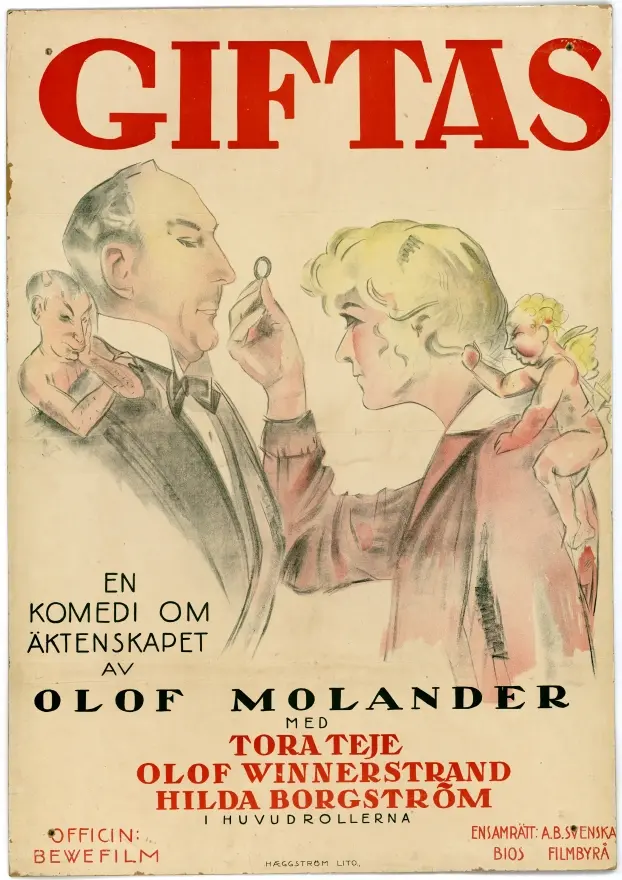
Director's Spotlight: Sweden
A Deep Dive into the 1926 Vision of Olof Molander
As a cultural artifact of the 1926s, Giftas provides the visionary mind of its creator, Olof Molander. With its avant-garde structure and atmospheric tension, it redefined what audiences could expect from a cult experience.
In Giftas, Olof Molander pushes the boundaries of conventional narrative. The film's unique approach to its subject matter has sparked endless debates and interpretations among cinephiles and critics alike.
To fully appreciate Giftas, one must consider the cinematic climate of 1926. During this period, Sweden was undergoing significant artistic shifts, and Olof Molander was at the forefront of this cult movement, often challenging established norms.
| Cinematography | Deep Focus |
| Soundtrack | Experimental |
| Editing | Invisible |
| Art Direction | Kitsch |
Visualizing the convergence of Olof Molander's style and the core cult narrative.
Paul Rosenkrans is a Captain of the Swedish Navy, has been married to his Signe for six years, and they are still as much in love as if they were newly-engaged. But when Paul's leave is over this time, Signe meets an old friend, plucky suffragette Annie Behrman, chairman of "Women's Political Freedom Party". Annie has written a book about the woman's slavery in marriage and begins to fill Signe with her ideas until Signe sees her marriage in a whole new light.
Decades after its release, Giftas remains a vital piece of the cinematic puzzle. Its influence can be seen in countless modern works, solidifying Olof Molander's status as a master of the craft in Sweden and beyond.