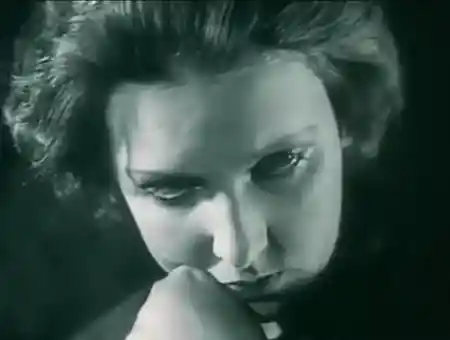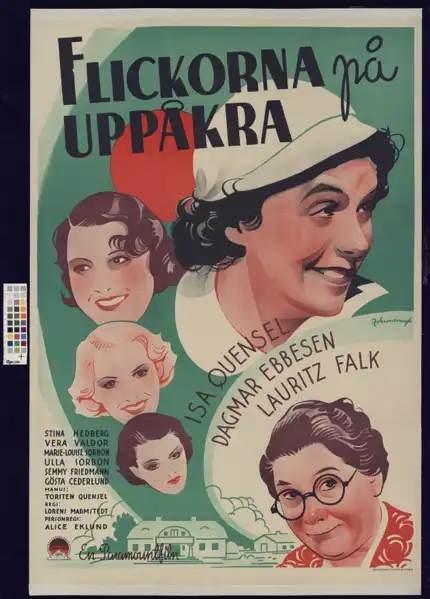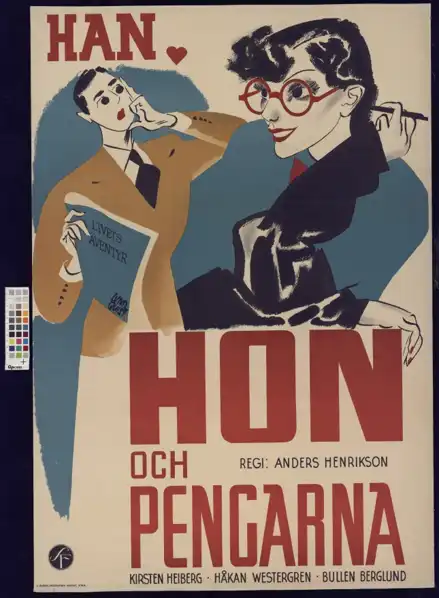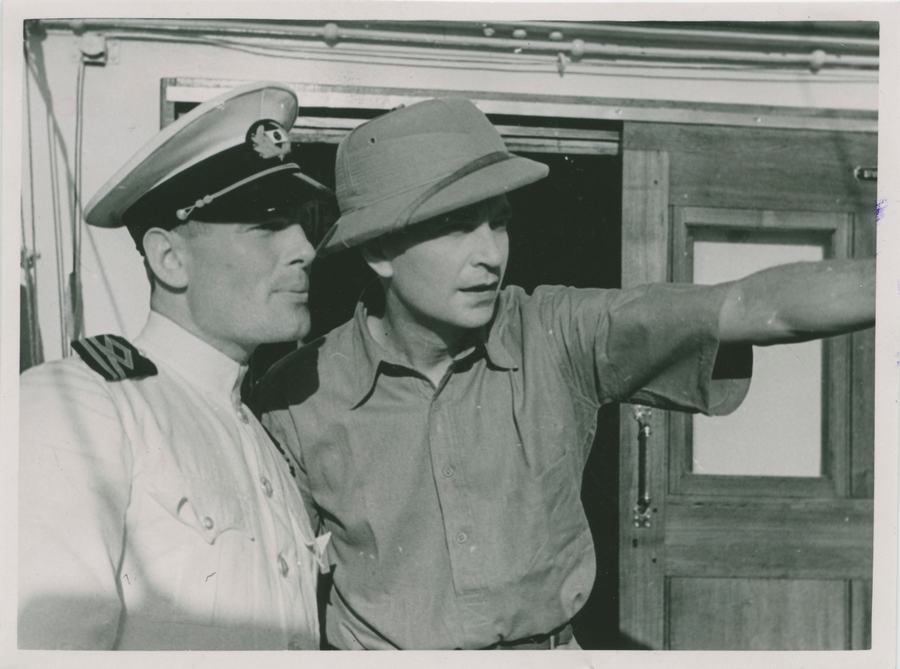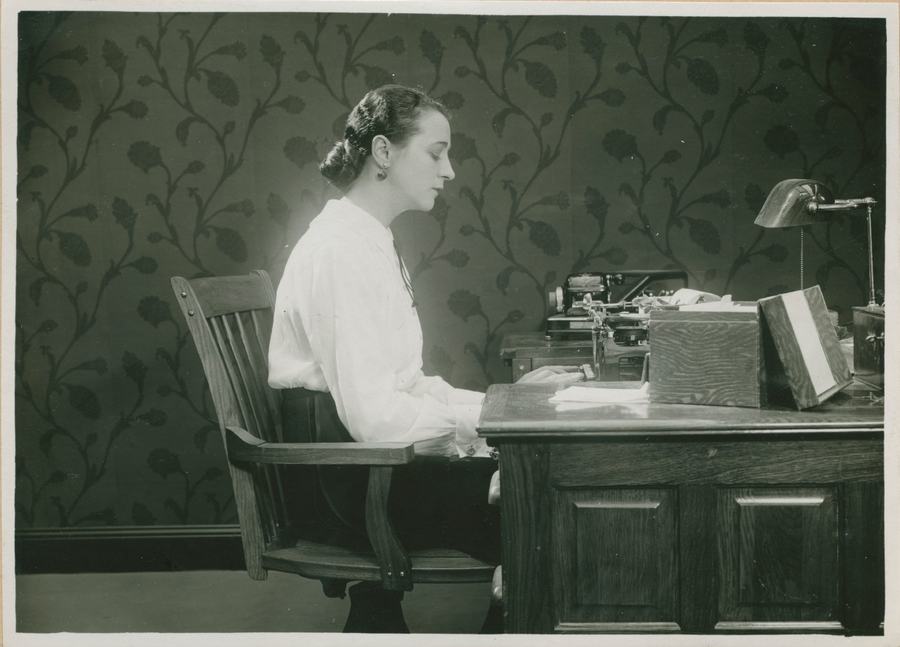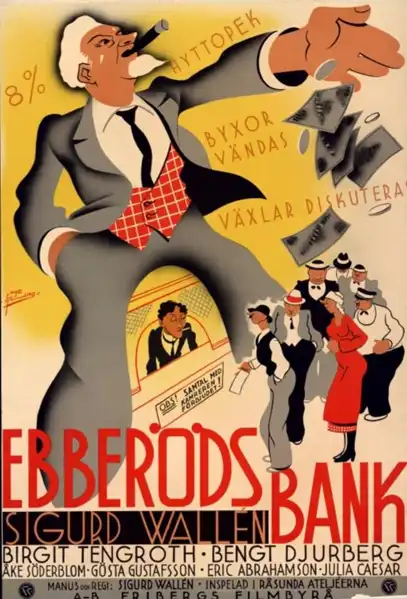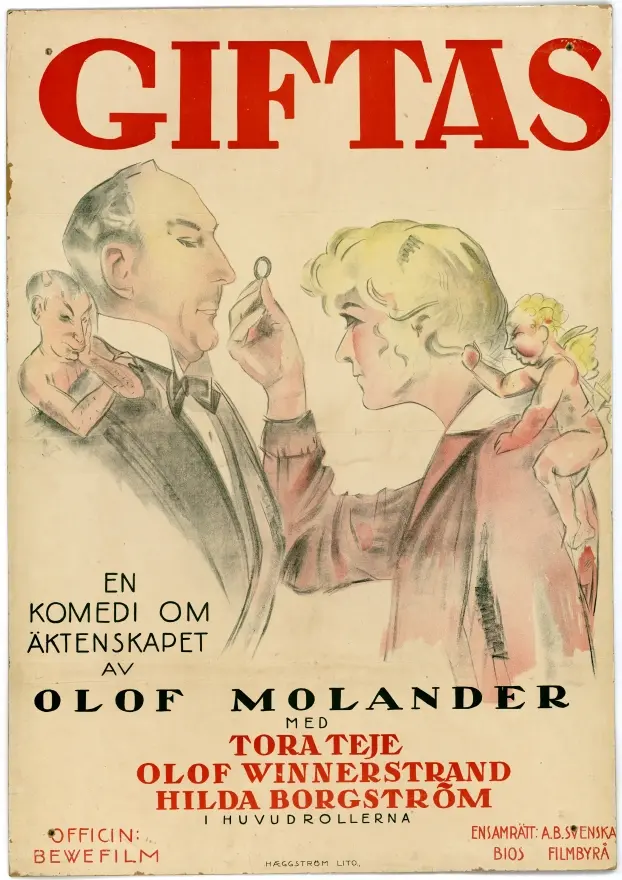
Paul Rosenkrans is a Captain of the Swedish Navy, has been married to his Signe for six years, and they are still as much in love as if they were newly-engaged. But when Paul's leave is over this time, Signe meets an old friend, plucky suffragette Annie Behrman, chairman of "Women's Political Freedom Party".
Is Per-Axel Branner's 1926 adaptation of August Strindberg's 'Giftas' worth your time in today's cinematic landscape? Short answer: yes, but with significant caveats that demand a particular kind of viewer. This early Swedish drama, steeped in the social anxieties of its era, offers a fascinating, if sometimes ponderou...

Comparing the cinematic DNA and archive impact of two defining moments in cult history.
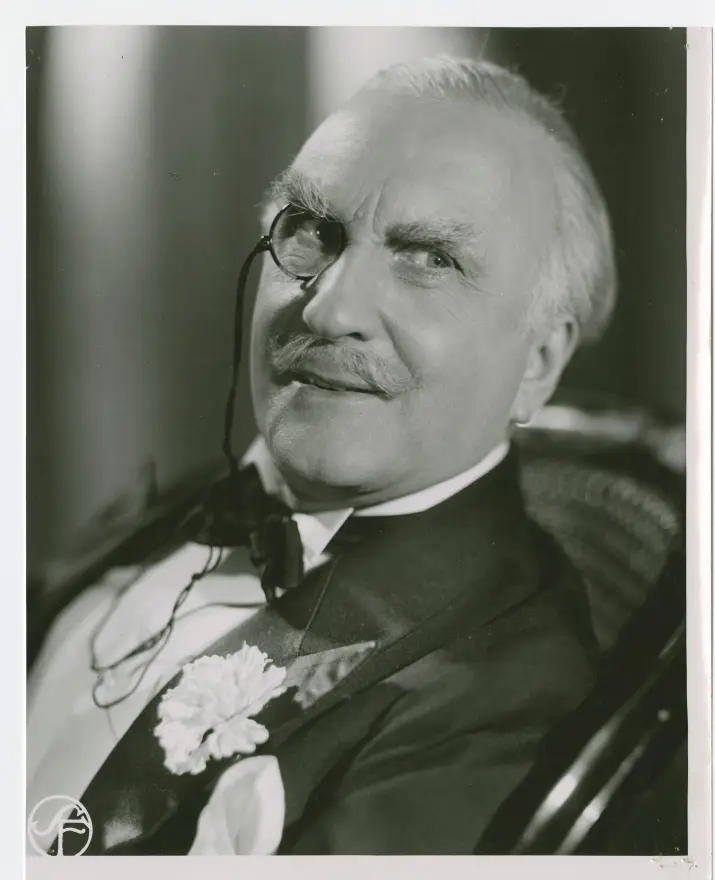
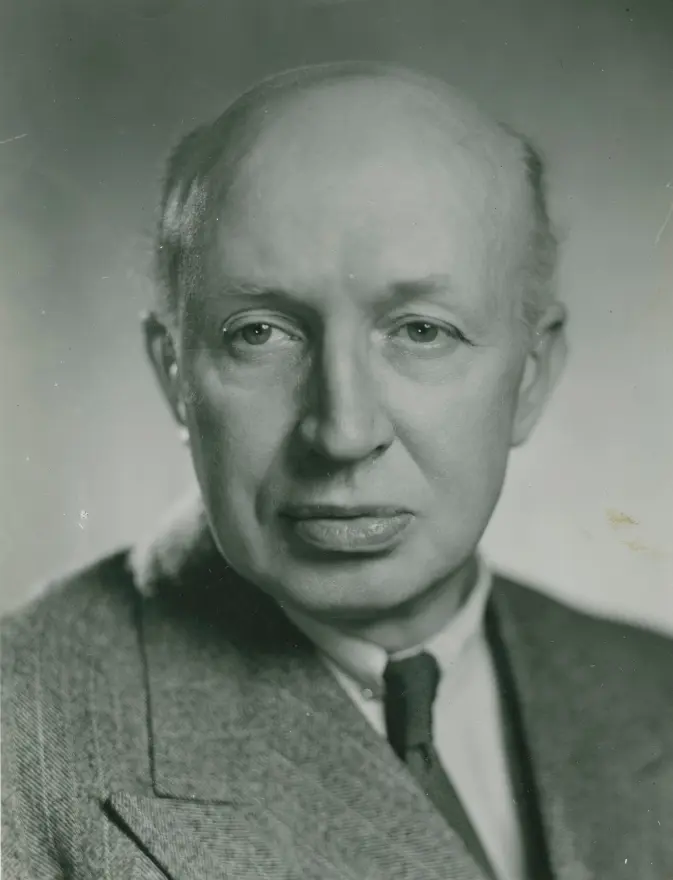
Olof Molander
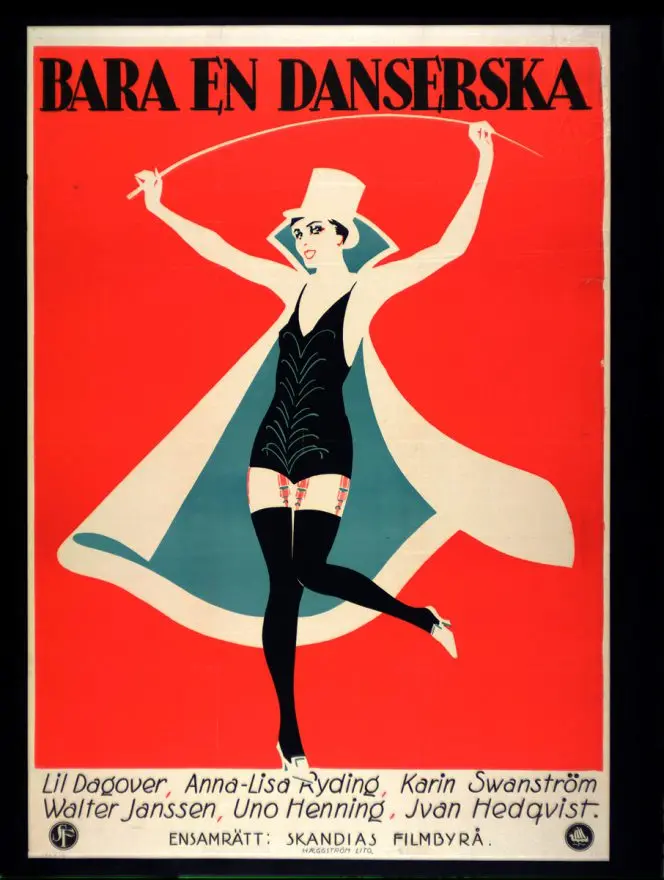
Olof Molander
Community
Log in to comment.
"Is Per-Axel Branner's 1926 adaptation of August Strindberg's 'Giftas' worth your time in today's cinematic landscape? Short answer: yes, but with significant caveats that demand a particular kind of viewer. This early Swedish drama, steeped in the social anxieties of its era, offers a fascinating, if sometimes ponderous, look at the clash between entrenched marital norms and nascent feminist ideology. It is a film for those who appreciate meticulous character studies and historical examinations ..."
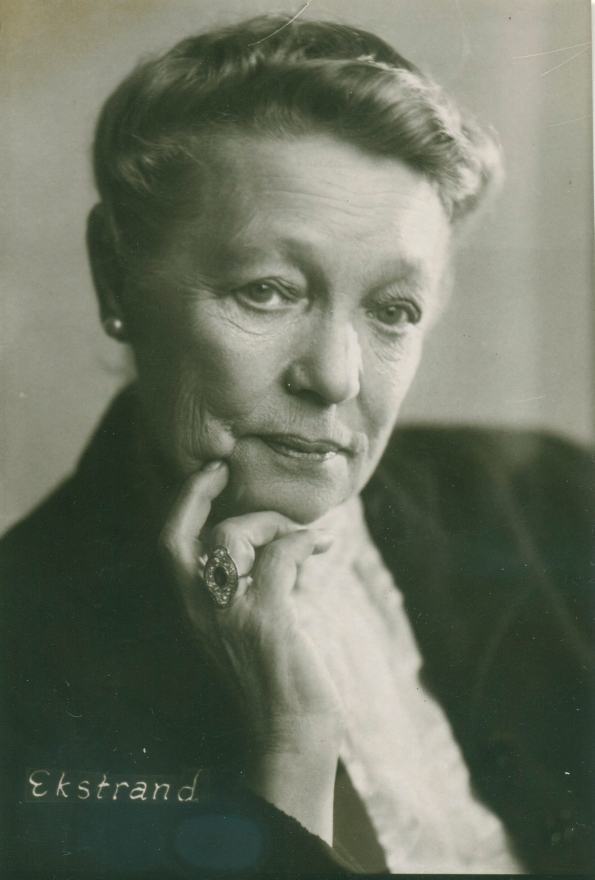
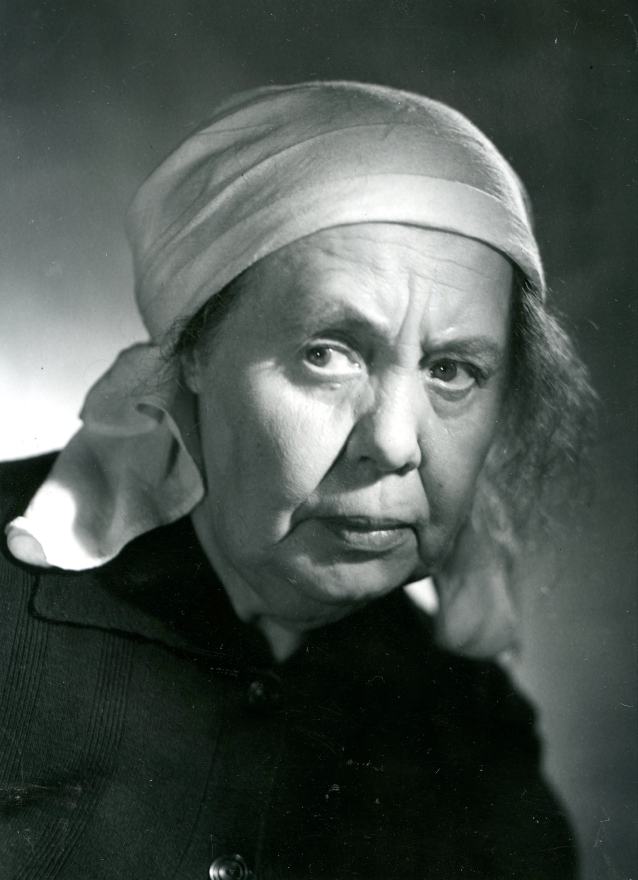
Hilda Borgström
August Strindberg, Per-Axel Branner
Sweden
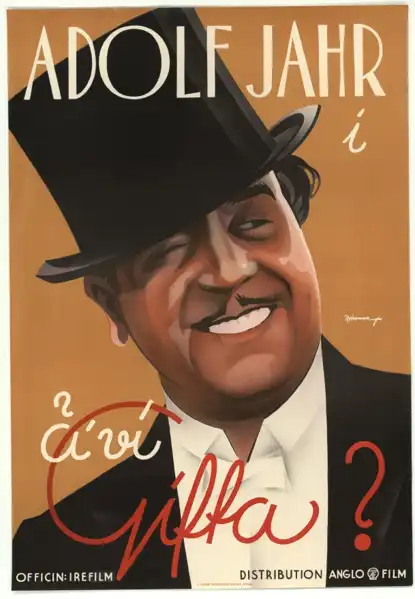
1936 · IMDb —