
DbcultAccessing Vault...
Director's Spotlight
Senior Film Conservator
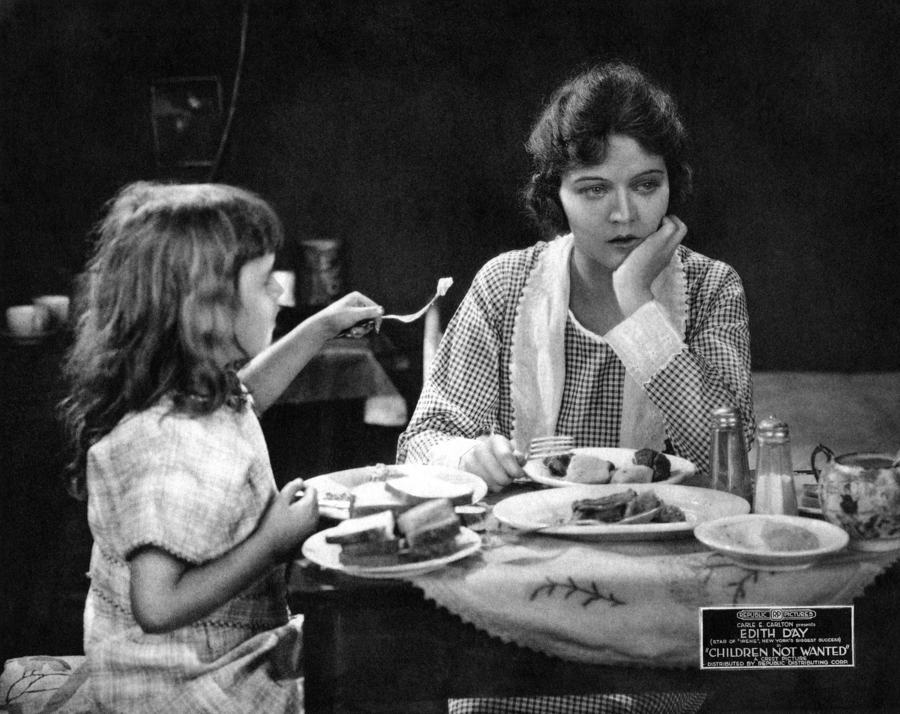
Director's Spotlight: United States
A Deep Dive into the 1920 Vision of Paul Scardon
The artistic breakthrough represented by Children Not Wanted in 1920 highlights the uncompromising vision of Paul Scardon that defines this Drama masterpiece. In the context of United States's rich cinematic history, it captures a specific kind of cinematic magic that is rarely replicated.
In Children Not Wanted, Paul Scardon pushes the boundaries of conventional narrative. The film's unique approach to its subject matter has sparked endless debates and interpretations among cinephiles and critics alike.
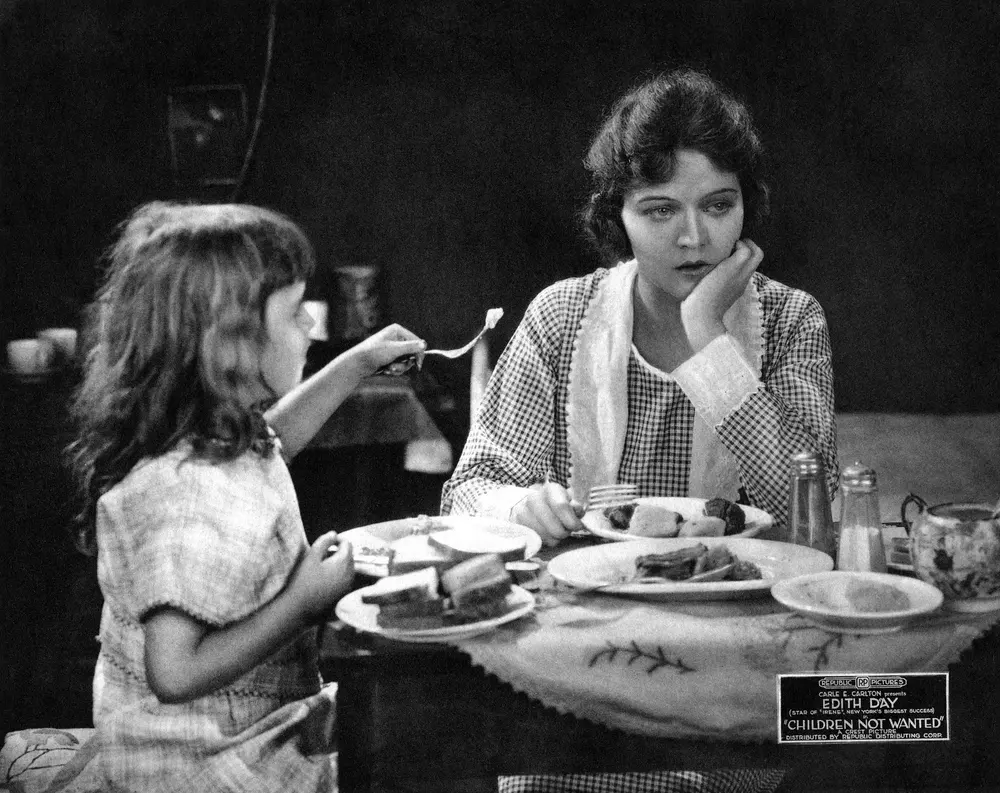
While deeply rooted in United States, Children Not Wanted has achieved a global reach, influencing directors from various backgrounds. Its ability to translate Drama tropes into a universal cinematic language is why it remains a cult staple decades after its 1920 release.
| Cinematography | Deep Focus |
| Soundtrack | Diegetic |
| Editing | Rhythmic |
| Art Direction | Naturalist |
Visualizing the convergence of Paul Scardon's style and the core Drama narrative.
When her best friend dies and leaves her four-year-old daughter Betty in her care, orphan Dorothy Crane, feeling unwelcome in the home of her aunt and uncle, takes her charge and heads for New York City. There she discovers that children are not wanted by landlords, and so experiences difficulty finding a place to live, until kindly Mrs. Farley offers her a room. Through the want ads, Dorothy becomes a receptionist for gem dealer Marcus Hazzard, and at her job meets Robert Barrington, a collector. The two fall in love, though Hazzard is also attracted to Dorothy, arousing the jealousy of his business partner, Madame Duval. One day, because Mrs. Farley is ill, Dorothy takes Betty to the office. Calling Dorothy into his private office, Hazzard begins to make sexual advances when a shot rings out, and Hazzard falls to the floor. Dorothy turns in amazement to see Betty standing in the doorway, a smoking pistol at her feet. Believing that the child shot Hazzard, Dorothy takes her and flees. Madame Duval and her Hindu servant, Ali Bey, tell the police that Dorothy killed Hazzard, until Ali finally reveals that Madame Duval fired the shot out of jealousy, thus freeing Dorothy to find happiness with Barrington.
Decades after its release, Children Not Wanted remains a vital piece of the cinematic puzzle. Its influence can be seen in countless modern works, solidifying Paul Scardon's status as a master of the craft in United States and beyond.