
Deep Dive
The Primal Paradox: Unmasking the Radical Weirdness and Subversive Soul of Early Cinema’s Silent Rebels
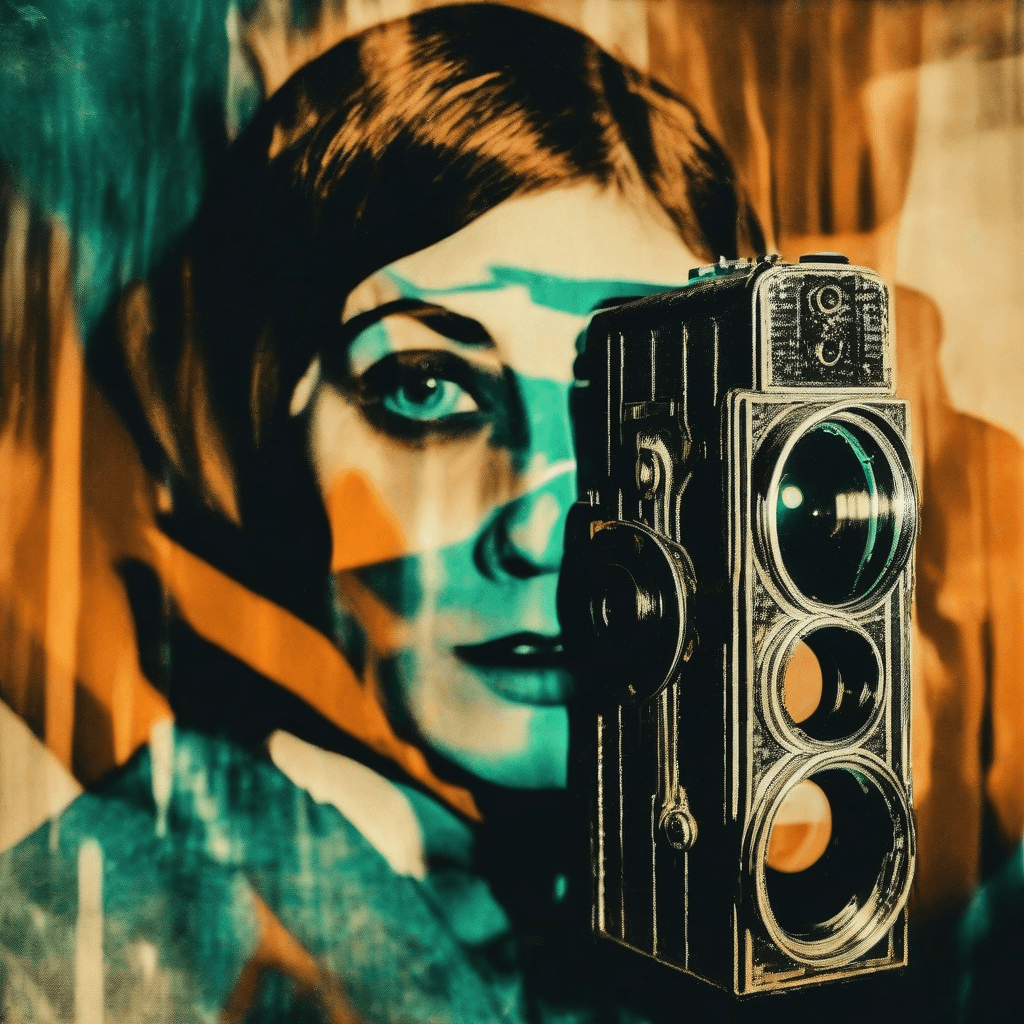
“A deep dive into the forgotten corners of early 20th-century film, where moral ambiguity and visual experimentation birthed the modern cult obsession.”
To the modern cinephile, the term cult cinema often conjures images of neon-soaked 1980s synth-horror or the midnight madness of the 1970s. However, the genetic blueprint of the transgressive, the weird, and the defiantly non-conformist was drafted long before the advent of sound. The silent era, often patronizingly viewed as a quaint precursor to 'real' filmmaking, was actually a wild west of narrative experimentation and moral deviance. From the gritty mines of The Plunderer to the macabre rhythms of Vampyrdanserinden, the roots of our modern obsession with the fringe are buried deep in the celluloid of the 1910s and 20s.
The Architecture of Anarchy: Beyond the Mainstream
At its core, cult cinema is defined by its refusal to play by the established rules of the medium. In the early 20th century, these rules were still being written, allowing for a level of narrative anarchy that would later be stifled by the Hays Code and the rigid structures of the studio system. Consider the 1919 film The Wolf, which delved into themes of seduction and betrayal in the Canadian Northwest, or the raw, political intensity of Whom the Gods Destroy, a tale set against the backdrop of the 1916 Irish Easter Rebellion. These were not mere entertainments; they were visceral explorations of human conflict and societal fracture.
This era of filmmaking was characterized by a willingness to explore the 'other.' Whether it was the hunchbacked Japanese artist in The Fox Woman or the moral complexities found in Into the Light, where a country girl is trapped between a lustful 'Spider' and a redeeming 'Boy,' the early screen was a mirror for the collective anxieties of a world in flux. These films provided the proto-cult DNA that would eventually evolve into the counter-culture movements of later decades.
Genre Mutants and Moral Misfits
The beauty of the early silent fringe lies in its genre fluidity. A film like The She Wolf (1919) subverts the traditional Western by placing a formidable woman at the center of a saloon-bound power struggle, challenging the crooked sheriff and the status quo with a draw of her gun. This isn't just a Western; it's a feminist insurgence captured on silver nitrate. Similarly, The Flashlight used the burgeoning technology of the era—automatic nature photography—as a pivot point for a mountain-set mystery, proving that even then, technology and paranoia were inextricably linked.
We also see the birth of the 'obsessive' narrative in films like The Broken Coin. This serial, centered on a reporter and a mysterious Latin-inscribed coin, tapped into the same vein of esoteric mystery that would later define the works of David Lynch or the conspiracy-laden plots of modern thrillers. The idea of the secret object or the hidden truth is a recurring motif in cult history, and it finds its first breath here in the flickering shadows of the 1910s.
The Macabre and the Melancholy
One cannot discuss cult cinema without acknowledging the macabre. Vampyrdanserinden (The Vampire Dancer) offered a glimpse into the dark, erotic allure of the dance, a theme that would resonate through decades of horror and avant-garde performance. This fascination with the 'vampire'—not necessarily the literal creature, but the predatory, seductive force—is a hallmark of the cult sensibility. It represents the transgressive power of the body and the dangers of obsession.
In The Craving (1918), we see an even more grounded form of darkness: the struggle with addiction and the dangerous intersection of science and desperation. An Indian scholar’s attempt to manipulate a colleague’s drinking problem to steal an explosive formula is a plot that feels strikingly modern. It highlights the psychological depth that early cinema was capable of, moving beyond simple melodrama into the territory of the noir-inflected thriller.
The Comedy of the Grotesque
Cult cinema is also home to the absurd, and the silent era was a masterclass in the grotesque. The Pest (1922), featuring a young Stan Laurel, pushes comedy into the realm of the surreal. When Laurel’s character dresses up as a dog or faces eviction by a lecherous landlord, the humor is tinged with a manic energy that defies the polite slapstick of the mainstream. This is the anarchic spirit that would later inspire the likes of John Waters or the Monty Python troupe.
Similarly, Meet the Wife offers a cynical look at social climbing and matrimonial agencies, ending in a realization that the promised dowry is as phony as the social status being chased. This biting satire on the American Dream—and the 'awful-looking' consequences of greed—is a precursor to the subversive social critiques found in the cult underground of the 1960s and 70s.
Bohemian Rebellions and Forbidden Truths
The 1920s brought about a new wave of social experimentation, often captured in films like The Trufflers. By following a protagonist who 'kicks out' the sanctimonious atmosphere of her father's home to luxuriate in a life with no conventions, the film becomes a manifesto for the Bohemian spirit. This rejection of traditional morality is the very foundation of cult fandom—a community of individuals who find solace in the unconventional and the 'outcast' narratives.
Even the more traditional dramas of the time, such as Lure of Ambition or False Ambition, explored the corrosive nature of the social ladder. In Lure of Ambition, the juxtaposition of a fashionable hotel stenographer with her 'uncouth' father and squalid home life creates a tension that is both uncomfortable and deeply human. It challenges the audience to look past the veneer of success, much like how cult cinema forces us to look past the polished surface of Hollywood blockbusters.
The Legacy of the Forgotten Reel
Why do we return to these films? Why does a movie like The Silk-Lined Burglar, featuring the gentleman crook Boston Blackie, still resonate? It is because these films represent a moment in time when the cinematic language was still a series of questions rather than a set of answers. They are artifacts of a rebellion that was never televised, only projected in smoky theaters to audiences who were just beginning to understand the power of the moving image.
Films like The Incomparable Mistress Bellairs or The Son of His Father might seem like simple tales of romance or business deals, but within them lie the seeds of subversion. Whether it’s a maid plotting to wed her mistress to a poor Irishman or a young man getting entangled in a shady railroad deal, these stories prioritize the outsider's perspective. They celebrate the 'fixer,' the 'rogue,' and the 'misfit'—the very archetypes that cult cinema would eventually canonize.
Conclusion: The Eternal Return of the Weird
The journey from the silent era to the modern cult phenomenon is not a straight line; it is a tangled web of influences and echoes. When we watch a contemporary 'weird' film, we are seeing the ghost of The Fox Woman's Japanese artist or the spiritual residue of the Christus epic. We are participating in a tradition of visual dissent that began the moment the first hand-cranked camera captured something that the moral guardians of the day deemed 'inappropriate.'
As we unearth these forgotten gems—from the mountain-climbing rivalries of Der Bergführer to the circus-bound tragedy of The Clown—we realize that the 'fringe' has always been the most interesting part of the frame. The Primal Paradox of cult cinema is that it is both a relic of the past and a blueprint for the future. By embracing the radical weirdness of the silent rebels, we aren't just looking back at history; we are decoding the very soul of what it means to be a cinematic outcast. In the end, the flickers of the 1910s are not just shadows on a wall—they are the undying flame of the cult movie spirit, burning as bright today as they did a century ago.
Community
Comments
Log in to comment.
Loading comments…