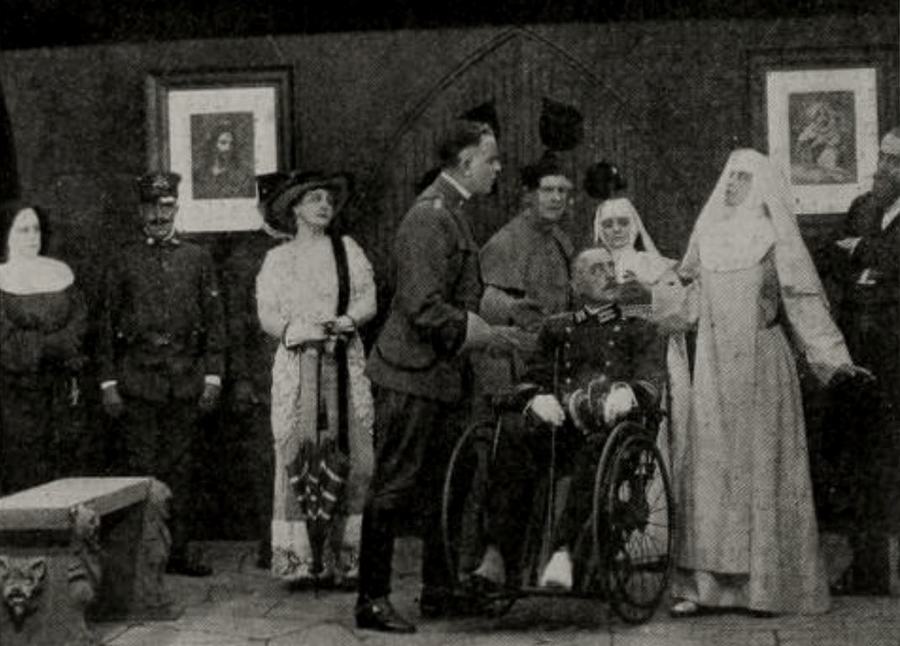
Sue Wilde has "kicked out" or the sanctimonious atmosphere with which her venerable father, Dr. Hubbell.
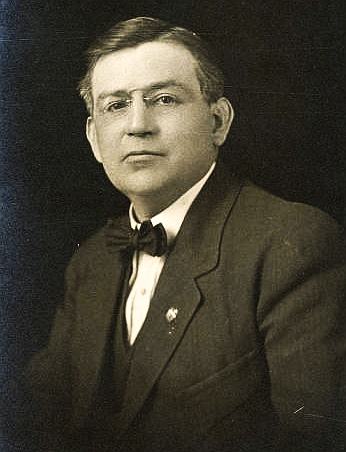
Fred E. Wright, Samuel Merwin
United States
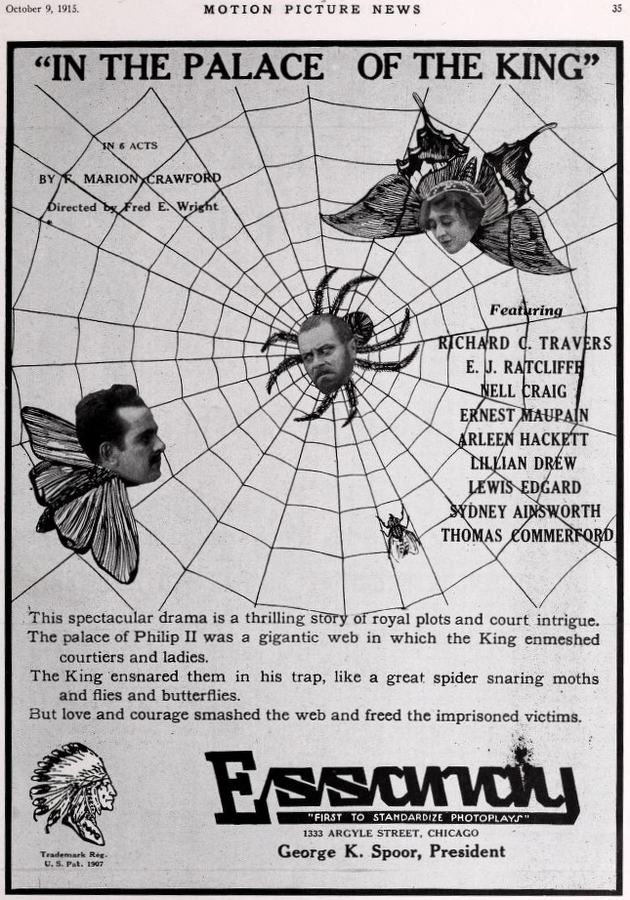
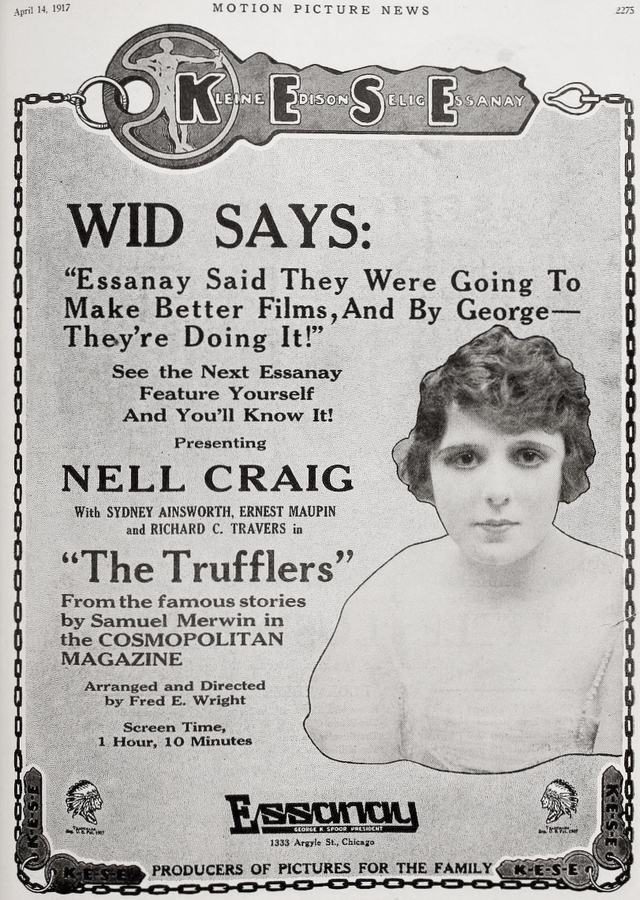
The Trufflers Imagine, if you can, a nitrate ribbon spooling through 1915 darkness, its silver halides shimmering like absinthe in a church chalice. Fred E. Wright and Samuel Merwin serve us a cocktail of sulfur and satin: a reverend who robs the poor box, a flapper-in-embryo who robs herself of conscience, and a scr...
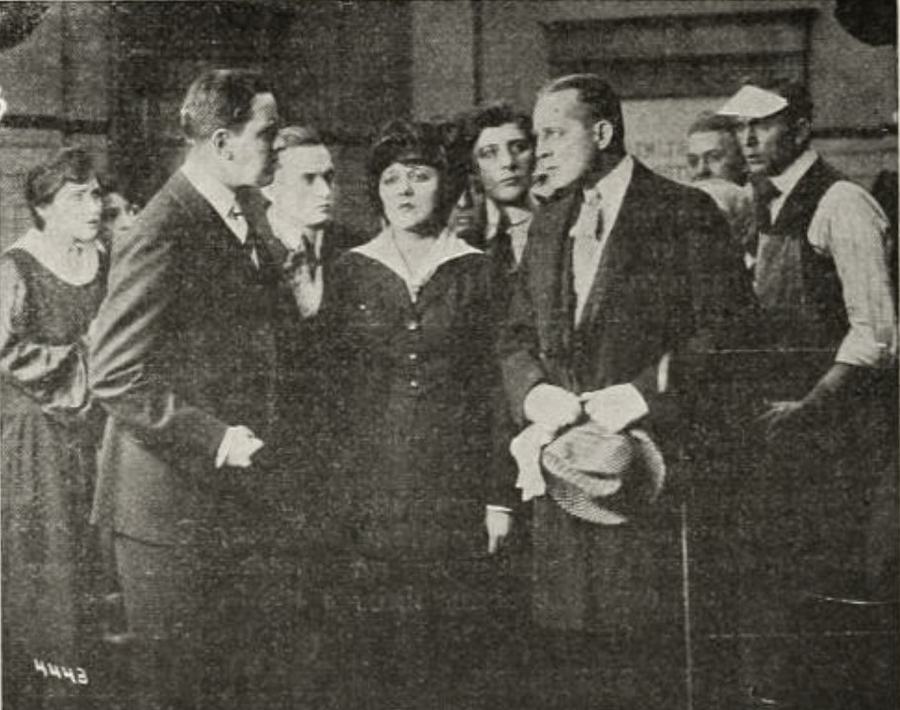
still_frame
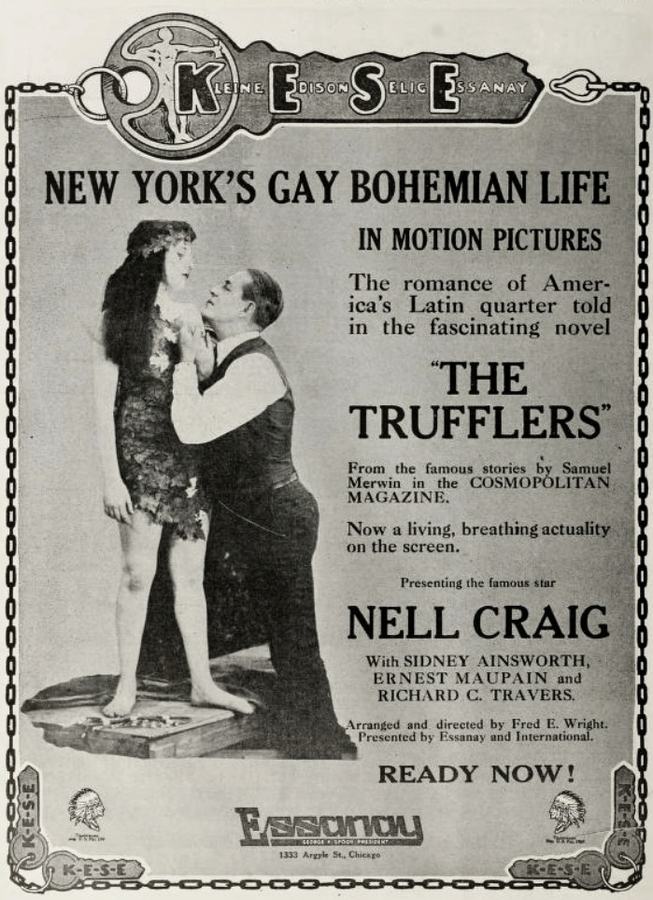
publicity
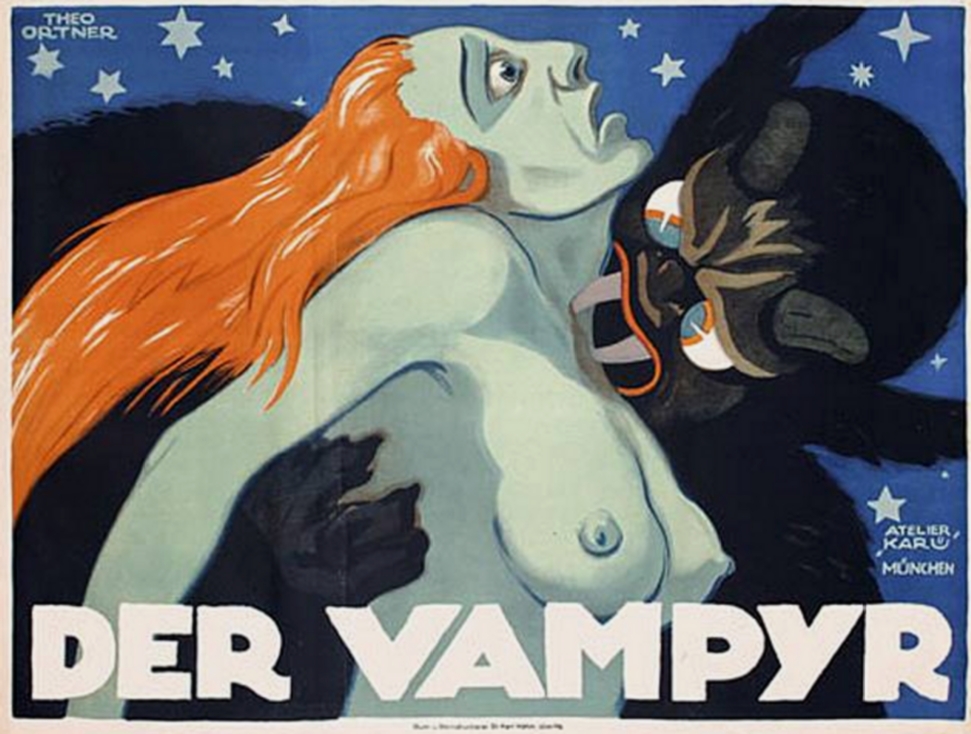
Comparing the cinematic DNA and archive impact of two defining moments in cult history.
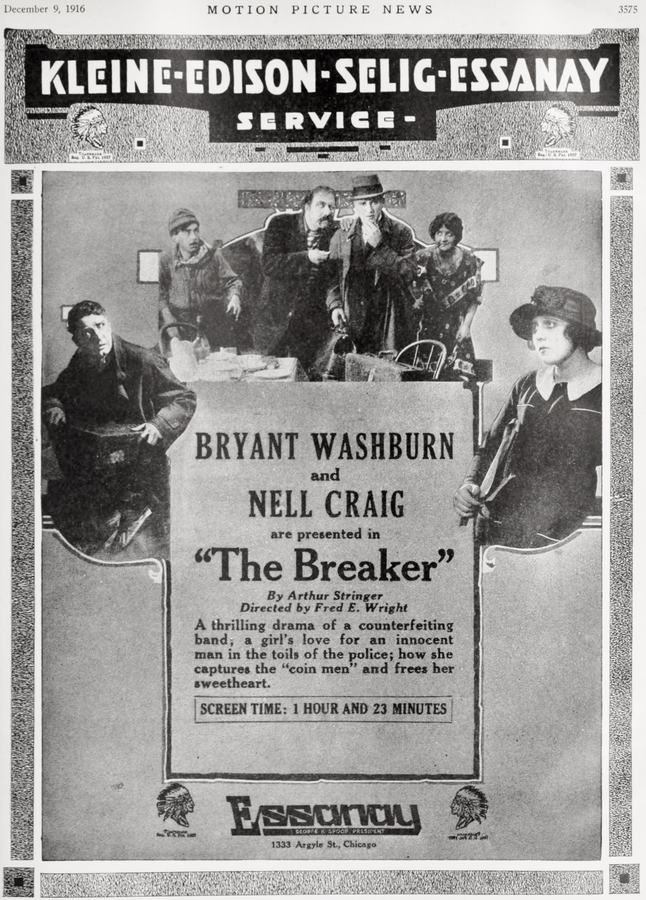
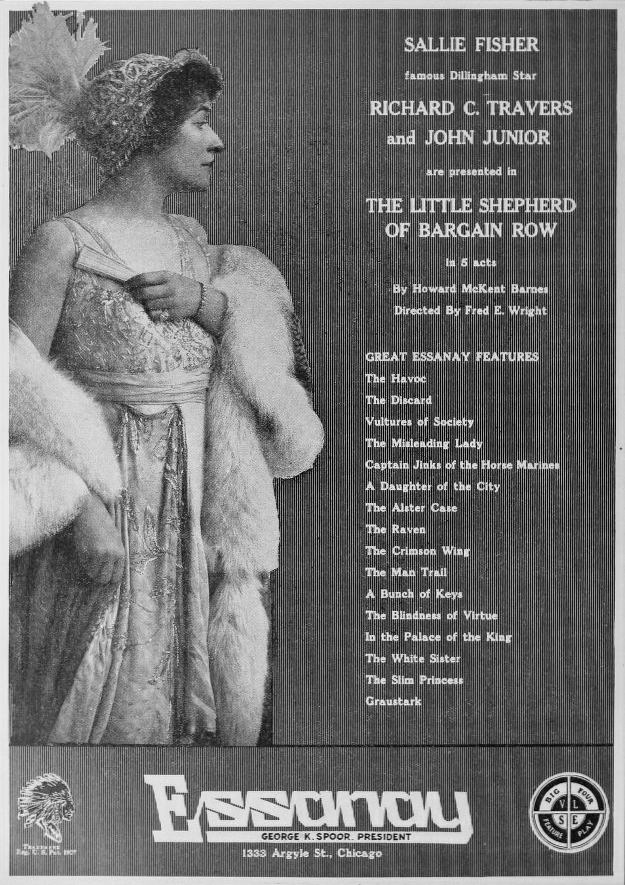
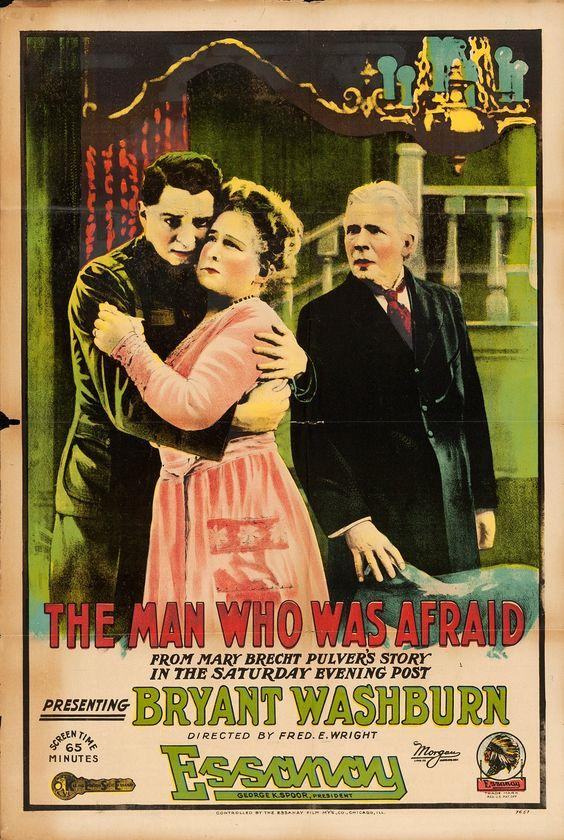
Fred E. Wright
Fred E. Wright
Community
Log in to comment.
" The Trufflers Imagine, if you can, a nitrate ribbon spooling through 1915 darkness, its silver halides shimmering like absinthe in a church chalice. Fred E. Wright and Samuel Merwin serve us a cocktail of sulfur and satin: a reverend who robs the poor box, a flapper-in-embryo who robs herself of conscience, and a scribbler whose quill drips both poetry and poison. The resulting film—not merely a flicker but a fever—laces melodrama with proto-noir cynicism, years before either genre had a name...."
Deep dive into the cult classic
Discover similar cinematic experiences
A Directorial Spotlight on Fred E. Wright