
Cult Cinema
The Primordial Midnight: How the Silent Era’s Genre Rebels Forged the Cult Cinema Soul
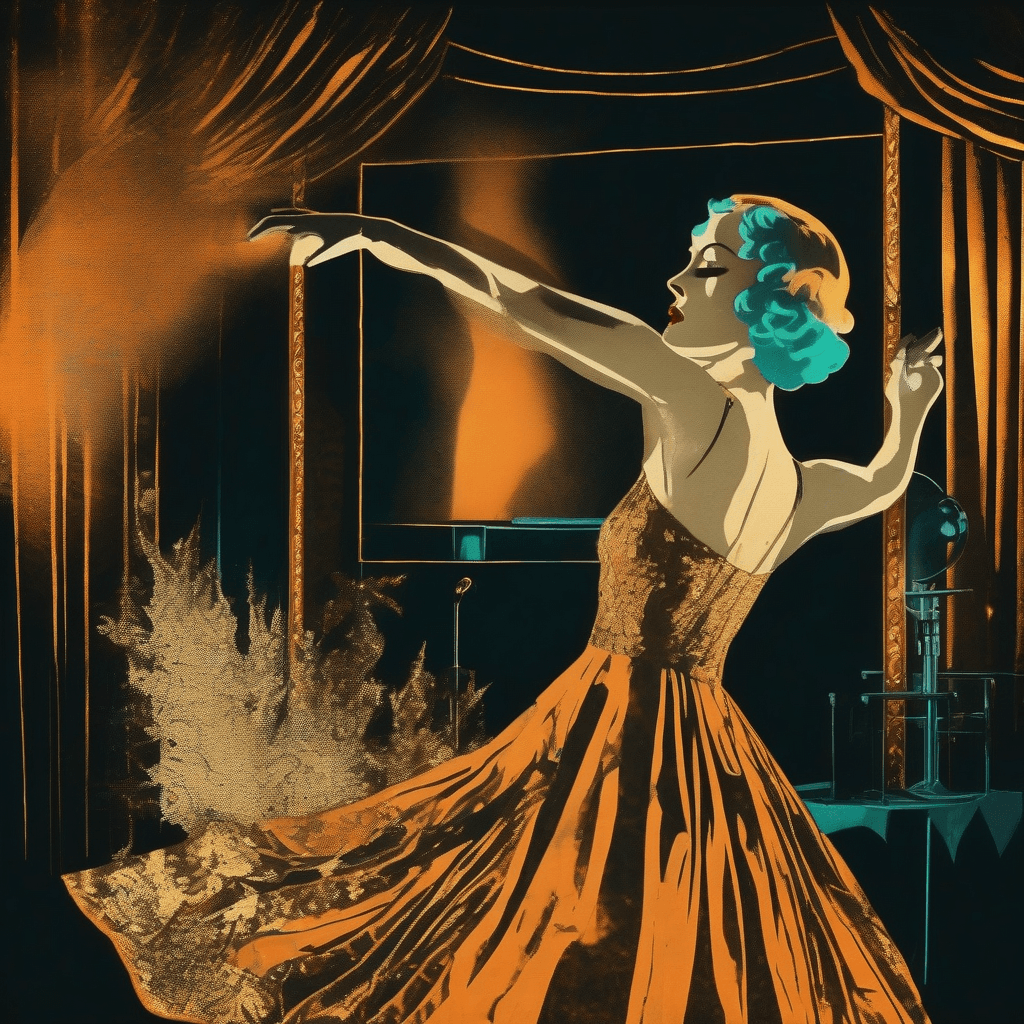
“A deep-dive investigation into the transgressive roots of cult cinema, tracing the DNA of midnight movie obsession back to the genre-defying outcasts of the 1910s and 20s.”
When we speak of cult cinema, the mind often drifts toward the neon-soaked midnight screenings of the 1970s—the high-camp theatrics of The Rocky Horror Picture Show or the gritty, transgressive visions of John Waters. However, as any seasoned film historian knows, the spirit of the cinematic outcast was not born in the counterculture of the mid-20th century. Instead, the genetic blueprint for what we now celebrate as 'cult' was meticulously drafted during the silent era, in the flickering shadows of the 1910s and 1920s. This was a period of unbridled genre experimentation, where the lack of a rigid studio system allowed for narratives that were bizarre, morally ambiguous, and visually radical.
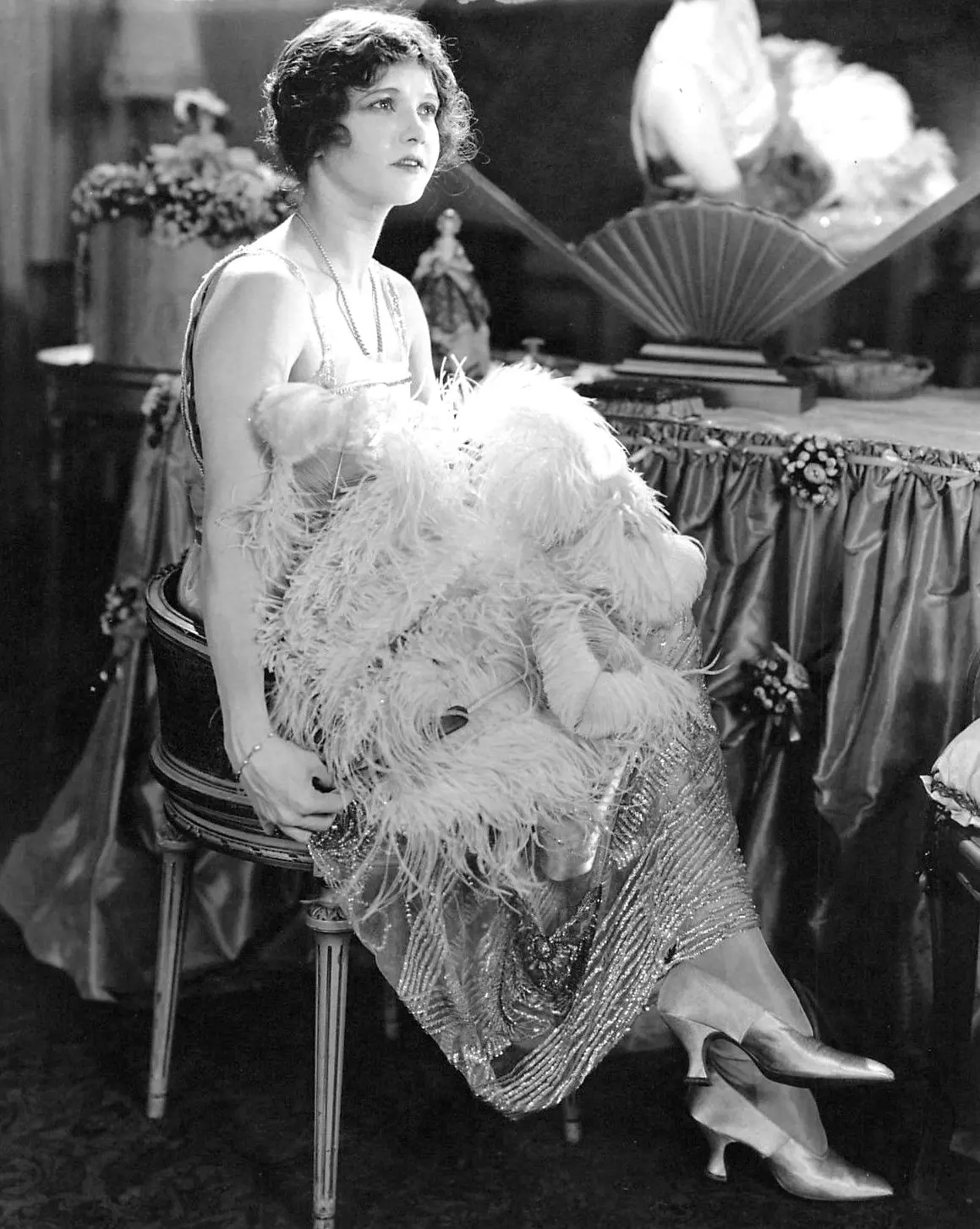
The Architecture of Obsession: Beyond the Mainstream
The essence of a cult film lies in its ability to foster a deep, often niche, obsession. Consider the 1917 curiosity The Gown of Destiny. In a narrative that defies modern logic, a French dress designer, rejected by the army for his size, decides to aid his country by designing a gown so magnificent it alters the course of lives. This is the primordial cult logic: the elevation of a singular, strange obsession into a matter of national or spiritual importance. It is a precursor to the specialized 'fan-object' films that would later dominate the midnight circuit.
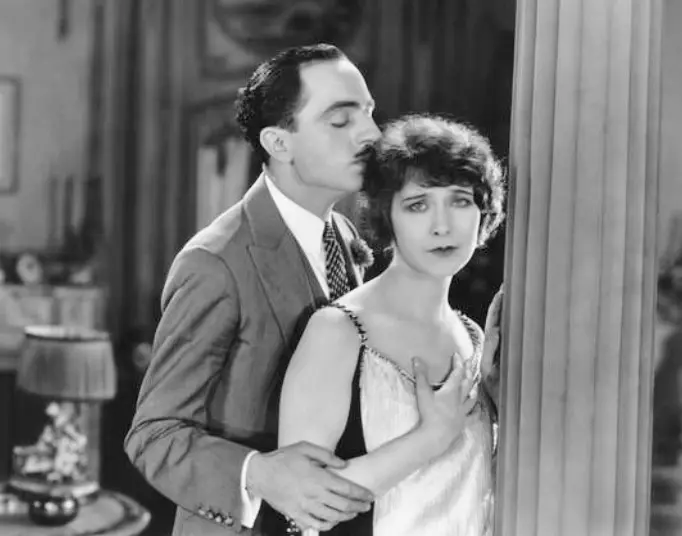
Similarly, Phil-for-Short (1919) introduced audiences to 'Phil' Illington, a feisty, independent woman who challenged the stuffed-shirt establishment. In an era of burgeoning social change, characters like Phil became icons for those who felt out of step with traditional societal roles. This 'outsider' status is a cornerstone of the cult experience—the film becomes a sanctuary for the viewer who sees themselves in the misfit protagonist.
Transgression and the Moral Fringe
Cult cinema has always flirted with the forbidden, and the early 20th century was no different. Films like And the Children Pay (1918) and The Secret Orchard (1915) delved into the dark underbelly of morality, brothels, and the 'necessary evils' of life. These were not the sanitized moral fables of the later Hays Code era; they were gritty explorations of human frailty. When Sold at Auction (1917) depicts a father disposing of his infant daughter to erase the memory of an unfaithful wife, it touches upon the transgressive trauma that would later define the 'shock' value of cult classics.
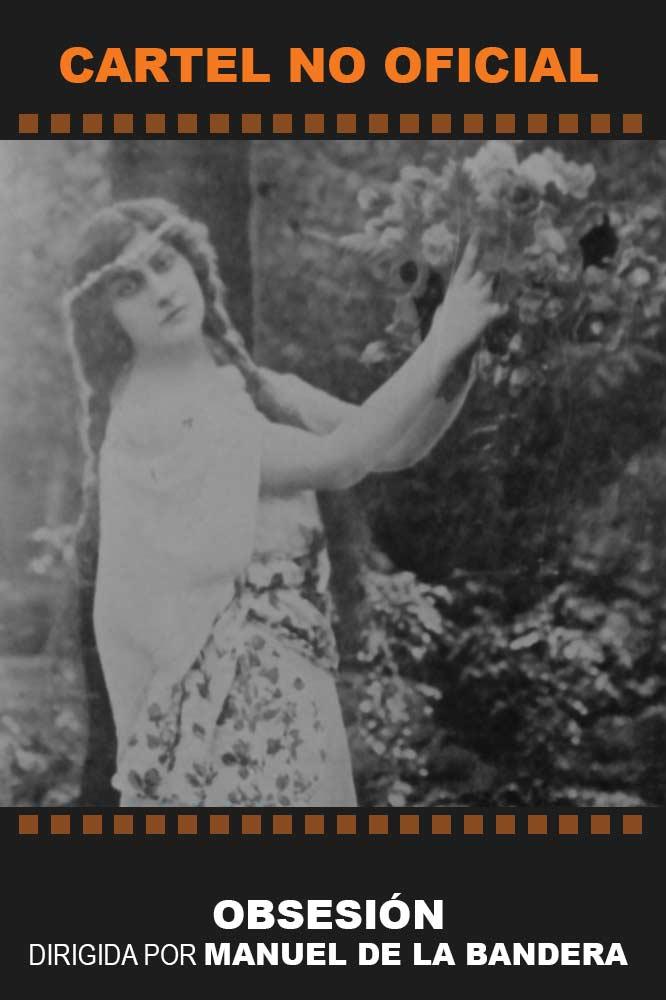
The transgressive impulse is also evident in the early Westerns of the era. The Narrow Trail (1917), starring the legendary William S. Hart, features an outlaw leader whose primary emotional bond is with a wild pinto horse named 'The King.' This subversion of the traditional romantic lead in favor of a rugged, isolated, and almost feral connection to nature prefigures the 'lone wolf' archetype that cult audiences would later worship in films like Mad Max or Le Samouraï. Even Square Deal Sanderson (1919) plays with the identity of the 'horse thief' as a hero, blurring the lines between law and justice in a way that remains a staple of cult subversion.
The Diva and the Visual Avant-Garde
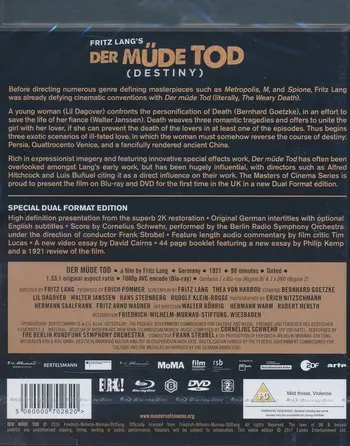
No discussion of cult cinema is complete without the 'diva.' Before the camp icons of the 1960s, there was Lyda Borelli. In Birth of Democracy (1918), Borelli’s performance is a masterclass in the 'diva-style'—a highly stylized, almost operatic form of acting that prioritized emotional intensity over realism. This aesthetic of excess is what draws cult fans; it is a rejection of the 'correct' way to perform in favor of something more visceral and strange. Films like Joan the Woman (1916) and La Tosca (1918) furthered this visual grandiosity, using historical and operatic backdrops to create a sense of 'otherness' that felt distinct from the mundane reality of the audience.
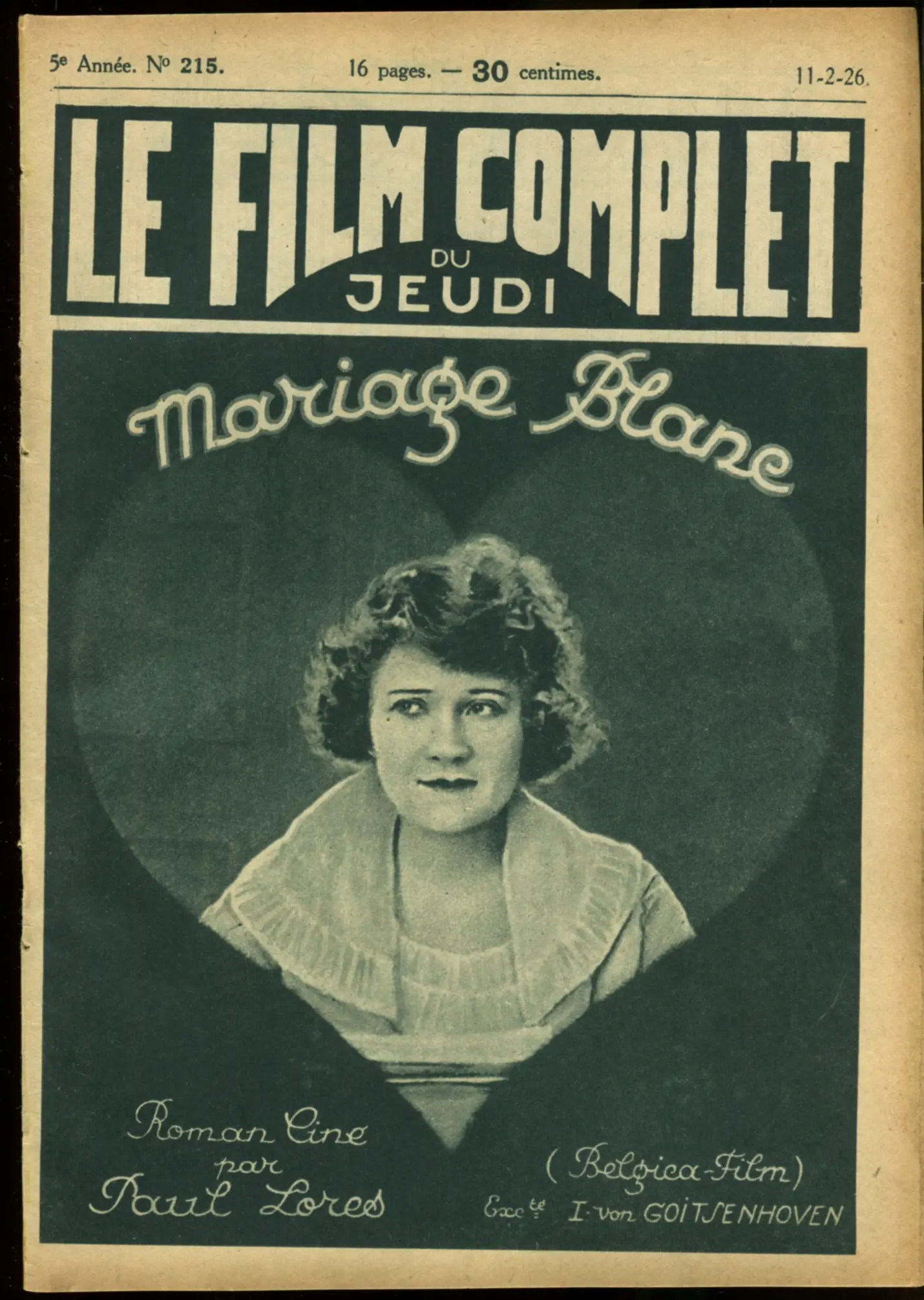
The visual experimentation extended into the realm of the surreal and the macabre. The Hungarian film A halál után (1920) explores mysterious disappearances and the psychological haunting of its protagonists, while the 1922 Sherlock Holmes utilized the foggy, atmospheric streets of London to create a sense of mystery that was as much about the environment as it was about the deduction. These films established the atmospheric blueprint for the noir and horror genres, which have always been the primary breeding grounds for cult devotion.
The Comedy of the Absurd and the Animated Anarchy
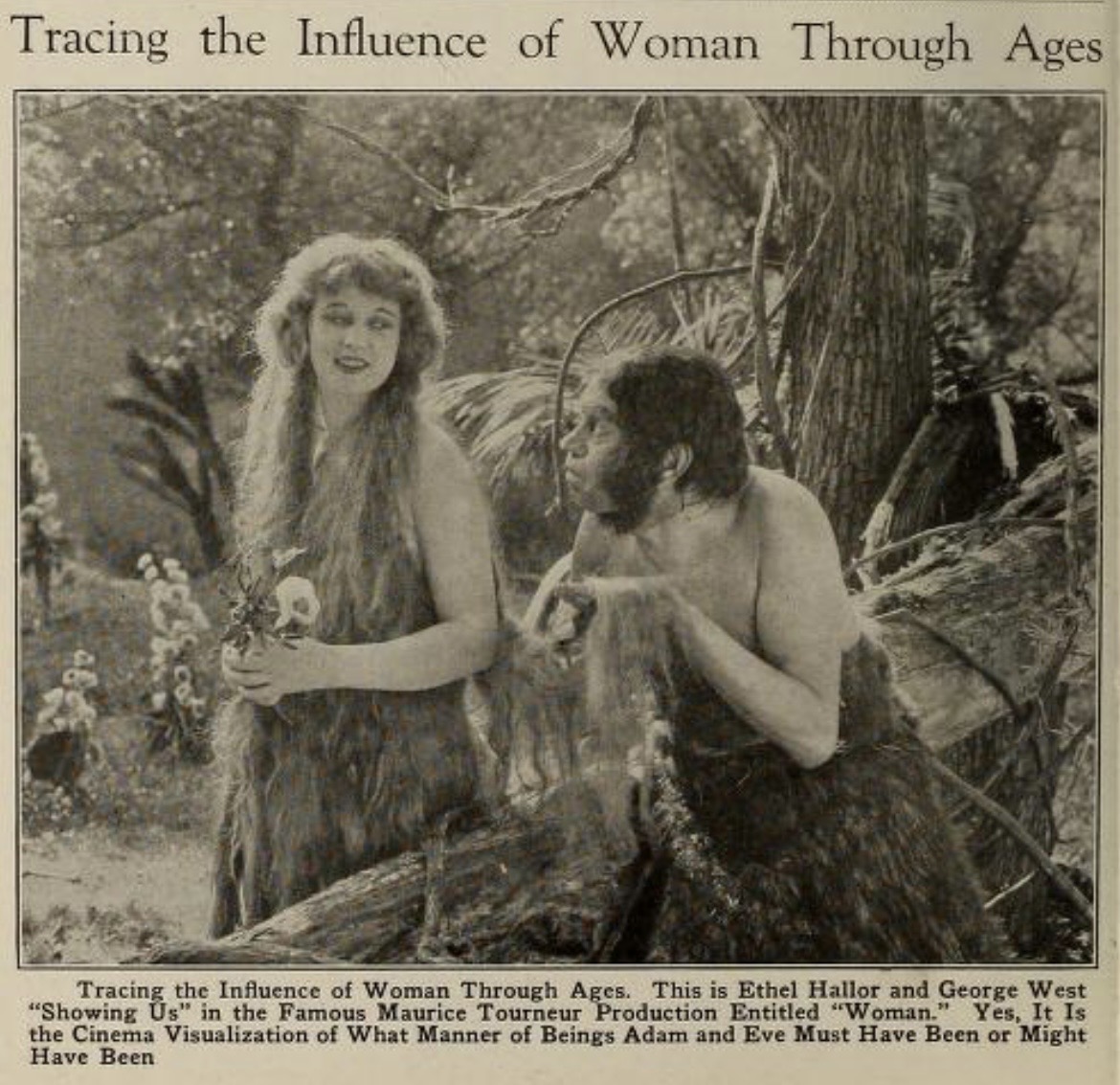
Cult cinema is not always dark; it is often profoundly weird. The short film Service Stripes (1919) features a protagonist who transfigures himself into a laundry basket and a waiter to befuddle a warden. This kind of narrative anarchy—where the physical laws of the world are secondary to the gag—is a direct ancestor to the surrealist comedy of the 1970s. Similarly, A Cat's Life (1920) presents an animated world of mouse-slaves and girl-cat serenades, pushing the boundaries of what was considered 'appropriate' entertainment for the masses.
Even the seemingly mundane Auf dem Oktoberfest or the domestic confusion of Hubby's Mistake (1918) provided the foundational tropes of the 'misfit comedy.' These films thrived on the awkward, the misunderstood, and the socially inept—themes that resonate deeply with the 'outsider' fanbases that define cult movie culture. The obsession with the absurdity of the human condition is a thread that runs from these early shorts directly to the works of filmmakers like David Lynch.
Identity, Exclusion, and the Cultural Outcast
Perhaps the most potent element of the early cult DNA is the exploration of social exclusion. The Red Woman (1917) tells the story of an Indian girl who graduates from an Eastern college only to find herself socially rejected in both the white and indigenous worlds. This exploration of the 'third space'—the person who belongs nowhere—is a recurring theme in cult cinema. Cult films often speak for the disenfranchised, the marginalized, and the 'moral mutants' who don't fit the societal mold.
In Melissa of the Hills (1917), we see the clash between religious zealotry and family feuds, with a protagonist who acts as a 'mediator' in a world of violence. This theme of the moral outlier—someone who operates by a different code than the rest of society—is central to films like The Silent Rider (1918) and When Bearcat Went Dry (1919). These characters are not traditional heroes; they are flawed, often desperate individuals forced into extraordinary circumstances.
The Legacy of the Lost Reels
Many of these early films, such as the elusive Aphrodite (1918), exist now only as fragments or memories, their physical reels lost to time or repurposed into toothbrushes. This 'lost' status only adds to their cult mystique. The search for the 'ultimate lost film' is a ritual for the cult cinephile. Whether it is the mystery of Der Erbe von 'Het Steen' or the obscure drama of Treason (1918), the scarcity of these works transforms them from mere movies into sacred relics of a forgotten era.
Even the documentary footage of Kitchener's Great Army in the Battle of the Somme (1916) contributes to this legacy. By using re-enacted footage to supplement reality, it blurred the lines between truth and fiction, a technique that would later be exploited by mockumentaries and 'found footage' cult hits. It demonstrated that cinema’s power lies not just in what it captures, but in how it manipulates the viewer's perception of reality.
Conclusion: The Eternal Midnight
The cult cinema we celebrate today is a vast, sprawling landscape, but its roots are buried deep in the silent era. From the vamping techniques explored in The Vamp (1918) to the moral complexities of The Diamond Necklace (1921), these films challenged their audiences to look beyond the surface of the screen. They provided the narrative mutants and visual rebels that would eventually populate the midnight screenings of the future.
As we look back at films like The Lone Wolf's Daughter (1919) or The Little 'Fraid Lady (1920), we see more than just historical artifacts. We see the birth of a spirit—a rebel heartbeat that refuses to follow the rules of mainstream storytelling. This is the true legacy of the early 20th-century outliers: they didn't just make movies; they invented the cult of the cinema itself.
Community
Comments
Log in to comment.
Loading comments…