
Cult Cinema Deep Dive
The Primordial Midnight: How the Silent Era’s Moral Anomalies and Genre Mutations Birthed the Modern Cult Obsession
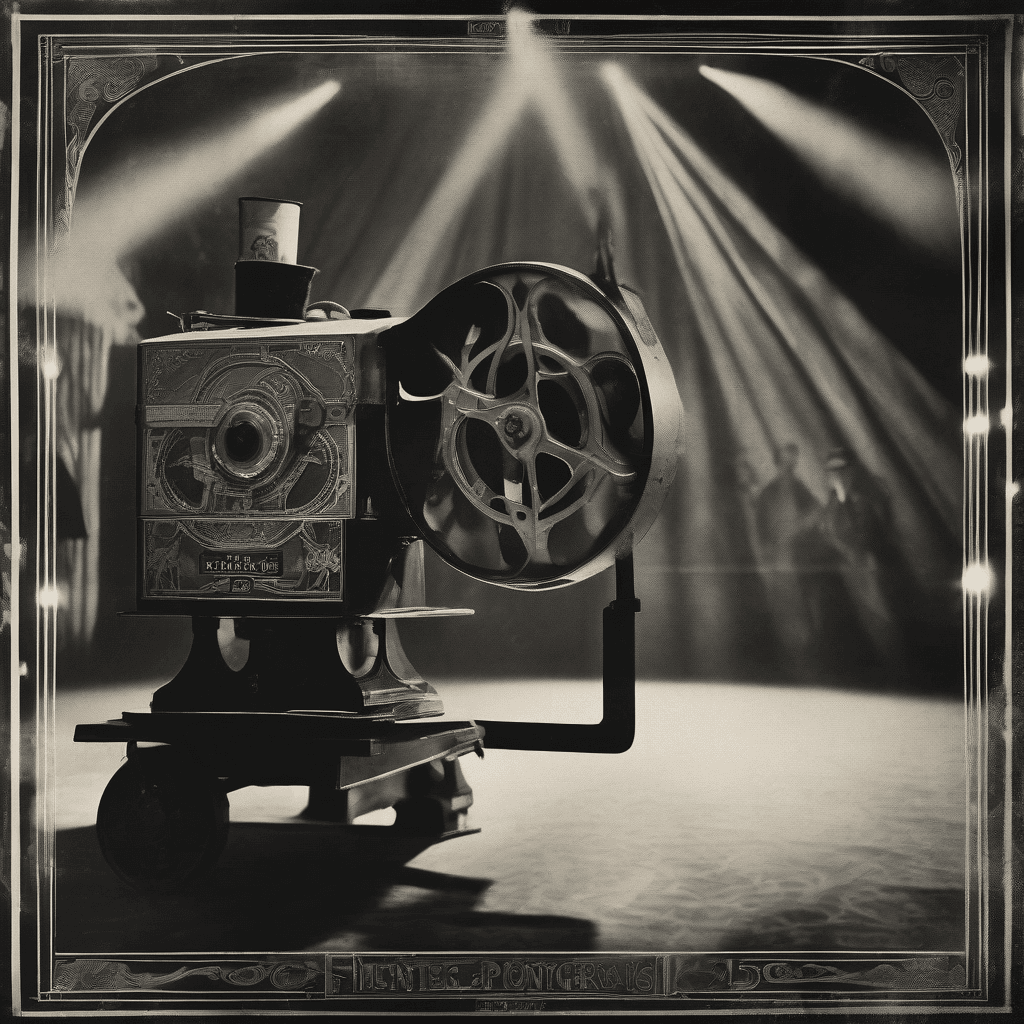
“Discover the hidden roots of cult cinema in the silent era, where gender-bending mountaineers and 'wicked' Parisian socialites forged the transgressive DNA of niche fandom.”
When we speak of cult cinema, the mind often wanders to the neon-soaked midnight screenings of the 1970s or the transgressive VHS underground of the 1980s. However, the genetic blueprint for the cinematic outlier—the film that exists on the fringe of polite society and defies the gravity of the mainstream—was actually drafted in the flickering shadows of the silent era. Long before The Rocky Horror Picture Show or Pink Flamingos, the 1910s and early 1920s were a wild frontier of moral experimentation, genre-bending, and social deviance. To understand the modern cult gaze, one must look back at the primordial midnight of the nitrate age, where films like Lulu (1917) and Jim Grimsby’s Boy (1916) were already challenging the status quo.
The Genesis of the Moral Outcast
The cornerstone of any cult masterpiece is the protagonist who exists outside the traditional moral binary. In the early 20th century, as cinema was still defining its ethical boundaries, several films emerged that prioritized raw humanity over the didacticism of the Victorian era. Consider The Ship of Doom (1917). It presents a protagonist, Martin Shaw, who kills a man to defend his fiancée's honor. While the townspeople despise the victim, they still demand Shaw's blood. This narrative of the 'sympathetic killer' or the 'justified outlaw' is a recurring motif in cult cinema, echoing through the decades into the anti-hero worship of the New Hollywood era.
Similarly, Lulu (1917) offers a glimpse into the 'liberal being'—a circus dancer whose life is a whirlwind of tragedy, suicide, and social ruin. Lulu is not a villain, nor is she a saint; she is a force of nature that the world around her cannot contain. This 'uncontainable' quality is what draws cult audiences to specific characters. We see this same spirit in The Light (1919), where Blanchette Dumonde is branded the 'wickedest woman in Paris.' Rather than conforming to the war effort, she cavorts with wealthy lovers, only to find redemption through a sculptor’s gaze. These films didn't just tell stories; they built archetypes of the social pariah that would eventually become the patron saints of the midnight movie circuit.
Subverting the Gender Binary in the 1910s
Modern cult cinema is deeply intertwined with queer theory and the subversion of gender roles. It is fascinating, then, to find films from over a century ago that were already playing with these concepts. Jim Grimsby’s Boy (1916) is a prime example of early cinematic gender-bending. When a mountaineer’s wife dies in childbirth, he raises his daughter, Bill, as a boy. The film explores the friction between Bill’s performative masculinity and her internal desire for traditionally feminine expression. While the resolution might lean toward the conventional for its time, the mere existence of a character living between gendered worlds in 1916 is a radical act of narrative defiance.
This theme of identity as a performance is also present in Minnie (1922). Minnie, labeled the 'ugliest girl in town,' creates a fictional lover to escape the cruelty of her social circle. This use of fabrication to navigate a hostile reality is a precursor to the camp aesthetic—the idea that if the world won't accept you, you must invent a world that will. These early 'misfit' narratives provided a safe harbor for audiences who felt similarly alienated from the rigid social structures of the early 20th century.
Genre Mutations: From Mysticism to Mad Science
Cult films are rarely 'pure' genres; they are often mutations that combine disparate elements into something strange and new. The silent era was an incubator for this kind of experimentation. Zudora (1914), with its focus on Hindu mysticism and a guardian who is a disciple of ancient secrets, represents the early industry's fascination with the occult. This 'mystic message' style of storytelling paved the way for the surrealist and psychotropic horror films that would dominate the cult landscape in later decades.
We also see the seeds of the 'mad scientist' trope in Red Powder (1917). The story of Charles Keil and his revolutionary explosive composition touches on the anxiety of technological progress—a theme that would eventually evolve into the body horror and dystopian sci-fi of the 1970s. These films were the original genre outlaws, refusing to stay within the lines of the simple romance or the standard western. They dared to ask 'what if?' in ways that were often visually and narratively jarring to the general public of the time.
The Exotic and the Transgressive Space
The setting of a cult film often functions as a character itself—a place where the rules of the 'normal' world no longer apply. In Sahara (1919), the desert serves as a transformative space for a Parisian music hall celebrity. The transition from the opulence of Paris to the harsh engineering projects of the Sahara creates a sense of geographic and psychological displacement. This 'outsider in a strange land' narrative is essential to the cult experience; it mirrors the audience's own feeling of being a stranger in a mainstream culture.
Similarly, God’s Law and Man’s (1917) explores the clash between English colonial morality and the ancient traditions of India. When a doctor saves a girl from sacrifice, he isn't just performing a heroic act; he is bridging two incompatible moral universes. This tension between 'civilized' law and 'primal' ritual is a hallmark of the transgressive cinema that would later find a home in the grindhouse theaters of 42nd Street.
Meta-Cinematic Obsession: The Birth of the Fan
Perhaps the most direct link to modern cult fandom is found in the 1920 short Movie Fans. This film caricatured the 'dyed-in-the-wool' movie fan who wasn't content with just watching pictures but had to see how they were made. This meta-commentary on the medium itself is the very essence of cult obsession. Cult fans are rarely passive observers; they are investigators, historians, and participants. They want to tear the celluloid apart to see the gears turning underneath.
This obsessive quality is what kept films like The Missing Passport or Chang and the Law alive in the collective memory of archivists and niche collectors. These weren't just commercial products; they were artifacts of a burgeoning subculture. Even a comedy like A Lady’s Tailor (1919), which parodied other films of its time, shows that cinema was already becoming self-aware—a crucial step in the development of the 'ironic' or 'camp' appreciation that defines much of modern cultism.
The Enduring Power of the Silent Fringe
Why do we still care about these forgotten reels? Because they represent the first time that the cinematic deviant was given a voice. Whether it is the 'poor bank clerk' in A Zero Hero (1917) fighting his own internal demons or the nouveau-riche family in Home (1919) failing to navigate the upper class, these films captured the friction of a world in transition. They spoke to the marginalized, the weird, and the obsessed.
The silent era was not just a period of technical development; it was a period of moral expansion. The films of this era were allowed to be messy, strange, and occasionally offensive because the rules hadn't been fully written yet. This lack of a standardized 'code' allowed for the creation of works that feel surprisingly modern in their cynicism and their subversion. When we watch a midnight movie today, we are participating in a ritual that began in 1914 with the 'mystic messages' of Zudora and the 'wicked' escapades of the Parisian fringe.
Conclusion: The Eternal Return of the Outlier
Cult cinema is an act of rebellion against the mundane. It is a search for the 'other' in a world of the 'same.' By revisiting the silent era’s most eccentric offerings, we find that the rebel spirit has always been part of the cinematic DNA. From the gender-fluid mountaineers of the 1910s to the 'ugly' girls who invent their own romances, these films provided the framework for everything that would follow. They taught us that the most interesting stories are often found on the edges of the frame, in the characters that society tries to forget, and in the genres that refuse to be categorized.
As we continue to dig through the archives of the nitrate age, we aren't just finding old movies; we are finding the roots of our own obsession. The primordial midnight is still flickering, reminding us that as long as there is a mainstream, there will always be a fringe—and that is where the true magic of cinema resides. The legacy of films like The Ship of Doom and Lulu is not just historical; it is a living, breathing part of the cult ethos that continues to inspire, shock, and transfix audiences to this day.
Community
Comments
Log in to comment.
Loading comments…