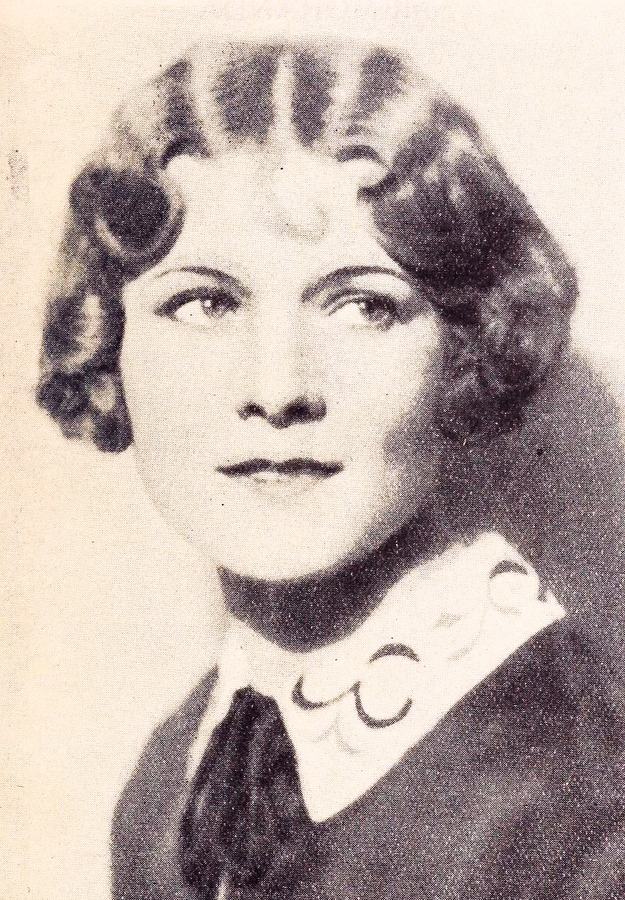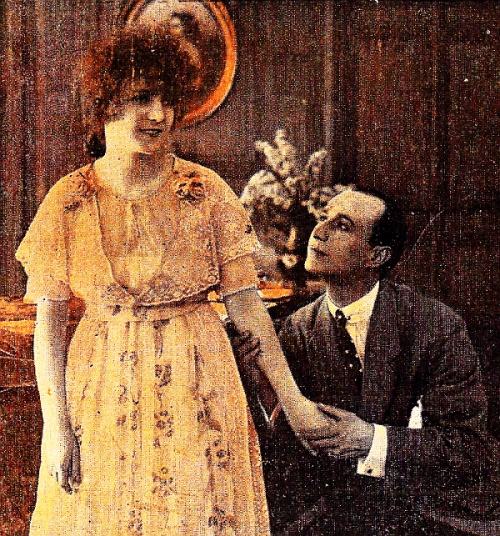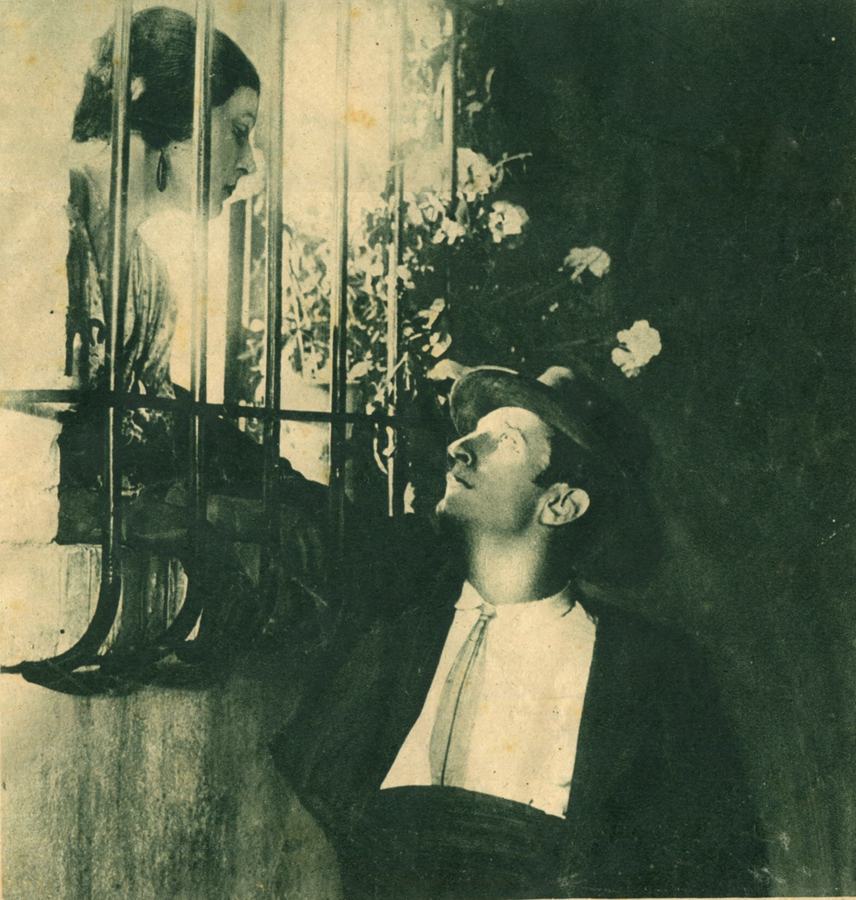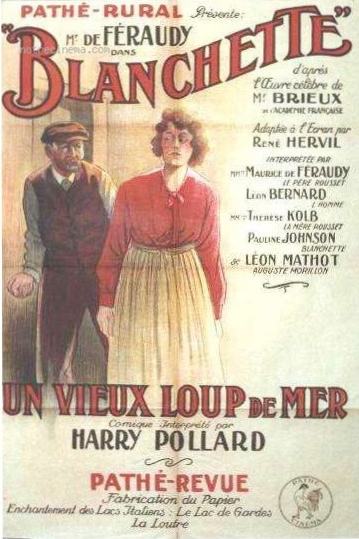
Blanchette, whose parents have sacrificed to give her an education, has received her teaching diploma, but is unable to find work. A dispute with her father leads to her being throw out of the house, and she goes to Paris to look for work.
A reel of Blanchette unspools like soot-stiff linen: every frame carries the faint smell of coal-dust and camphor that used to haunt pre-war French cinemas. Eugène Brieux, the moral scalpel of the boulevard stage, here lends his scathing social arithmetic to the young medium of celluloid. The result is a 1914 one-ree...
behind_the_scenes
Comparing the cinematic DNA and archive impact of two defining moments in cult history.
René Hervil
René Hervil
Community
Log in to comment.
" A reel of Blanchette unspools like soot-stiff linen: every frame carries the faint smell of coal-dust and camphor that used to haunt pre-war French cinemas. Eugène Brieux, the moral scalpel of the boulevard stage, here lends his scathing social arithmetic to the young medium of celluloid. The result is a 1914 one-reeler that feels closer to a missing chapter of Sapho than to the jauntier Mutt and Jeff in London playing next door. A Certificate in a Coffin Jeanne Ambroise’s Blanchette enters ..."
Eugène Brieux
France